Hiko Nose Thread Lift: What Threads Can and Cannot Do for a Nose
 Dr. Jong Hoon Lee · Gangnam HERA4 min read
On this page
I'm Dr. Jong Hoon Lee, a physician at Gangnam HERA in Seoul. I co-authored LIFTINGOLOGY: Science and Clinical Practice in Aesthetic Medicine and have taught more than 20 hands-on thread-lifting seminars for other physicians, so threads are a large part of my work. Patients who have seen "Hiko" nose videos usually ask me one thing: "Can threads give me a higher, sharper nose without surgery — and will it look natural?" My answer, first: threads with filler can raise the bridge and define the tip without incisions. They cannot make a nose smaller, and the result needs maintaining.
What is a Hiko nose thread lift?
It is a non-surgical nose procedure that uses absorbable threads to support the bridge and tip. "Hiko" is the name widely used in Korea for this style of nose thread lift. Fine threads are placed through tiny entry points along the bridge and into the tip, where they act as a light internal support.
At HERA we perform it with KFDA-approved Mint Threads combined with hyaluronic-acid filler. The filler builds height along the bridge; the threads give the tip a lifted, smoother line that filler alone struggles to create.
What can nose threads change?
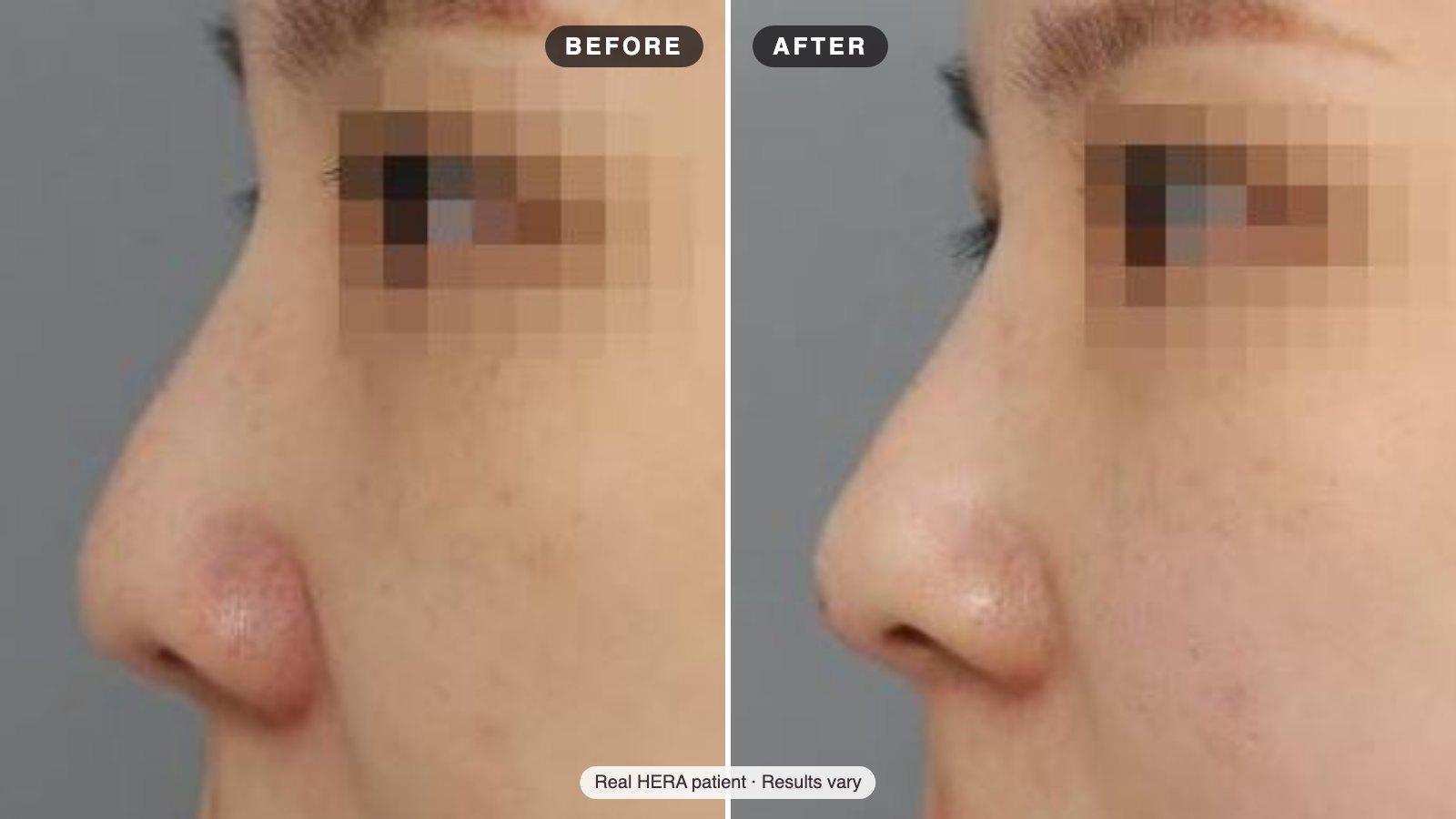
Height, tip definition and a straighter profile. Threads and filler work best when the nose needs something added rather than taken away.
- A low or flat bridge — raised for a higher, cleaner profile.
- A rounded, undefined tip — given subtle projection and a sharper line.
- Minor bridge irregularities — smoothed so the line reads straight.
- The forehead-to-nose junction — gently connected for a natural starting height.
It also suits people who want to try a profile change before thinking about surgery, because the filler part can be adjusted or dissolved.
What can a nose thread lift not do?
It cannot make a nose smaller, narrower or shorter. Threads and filler add support and volume. They do not remove a hump, narrow wide nostrils, reduce a large tip or correct a deviated nose. If that is your goal, a thread lift is not the right tool, and I would rather tell you now than after you have flown in.
Very thick skin at the tip, or a nose that has had surgery before, also changes what is possible. A doctor assesses that in person.
How is it done at HERA?
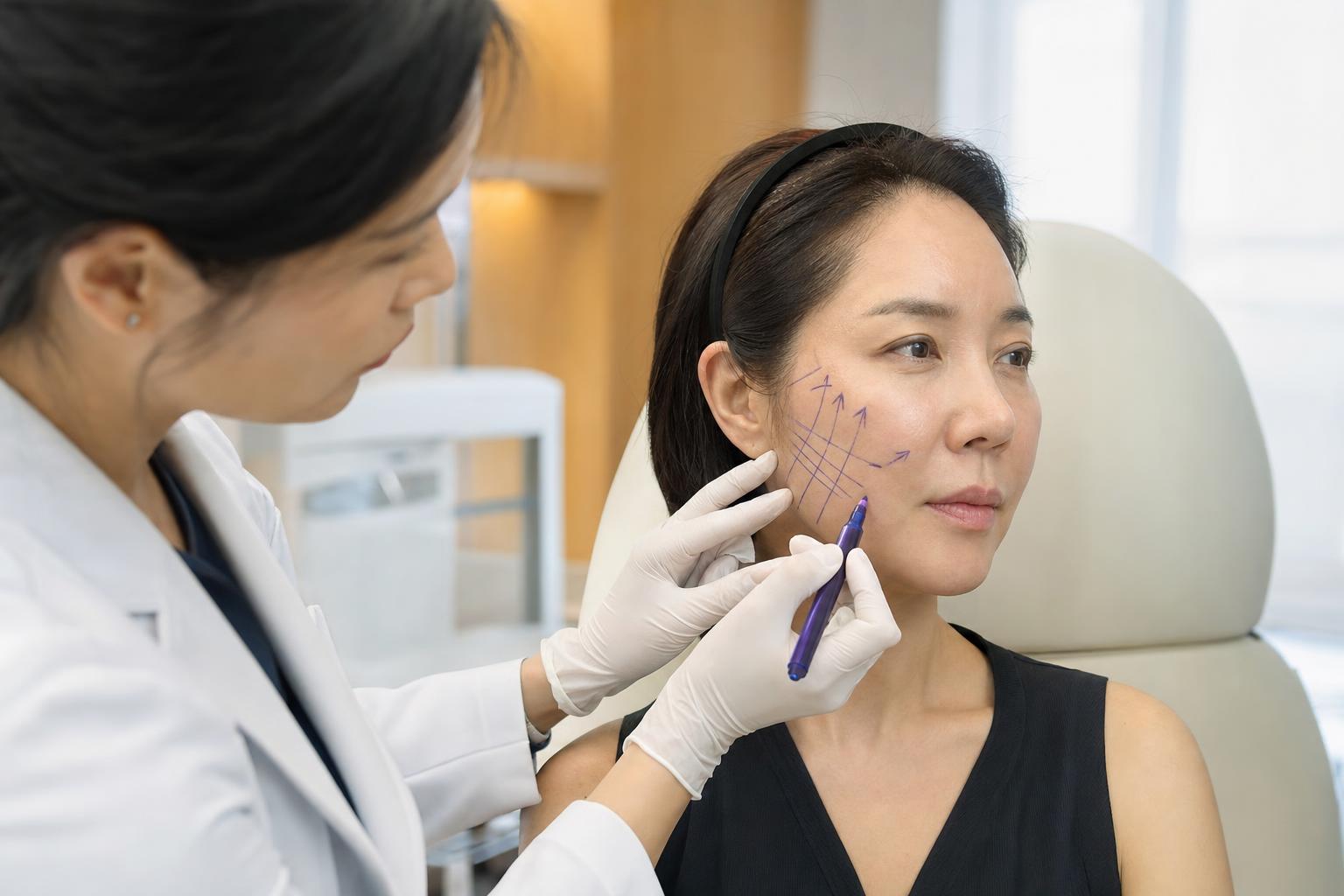
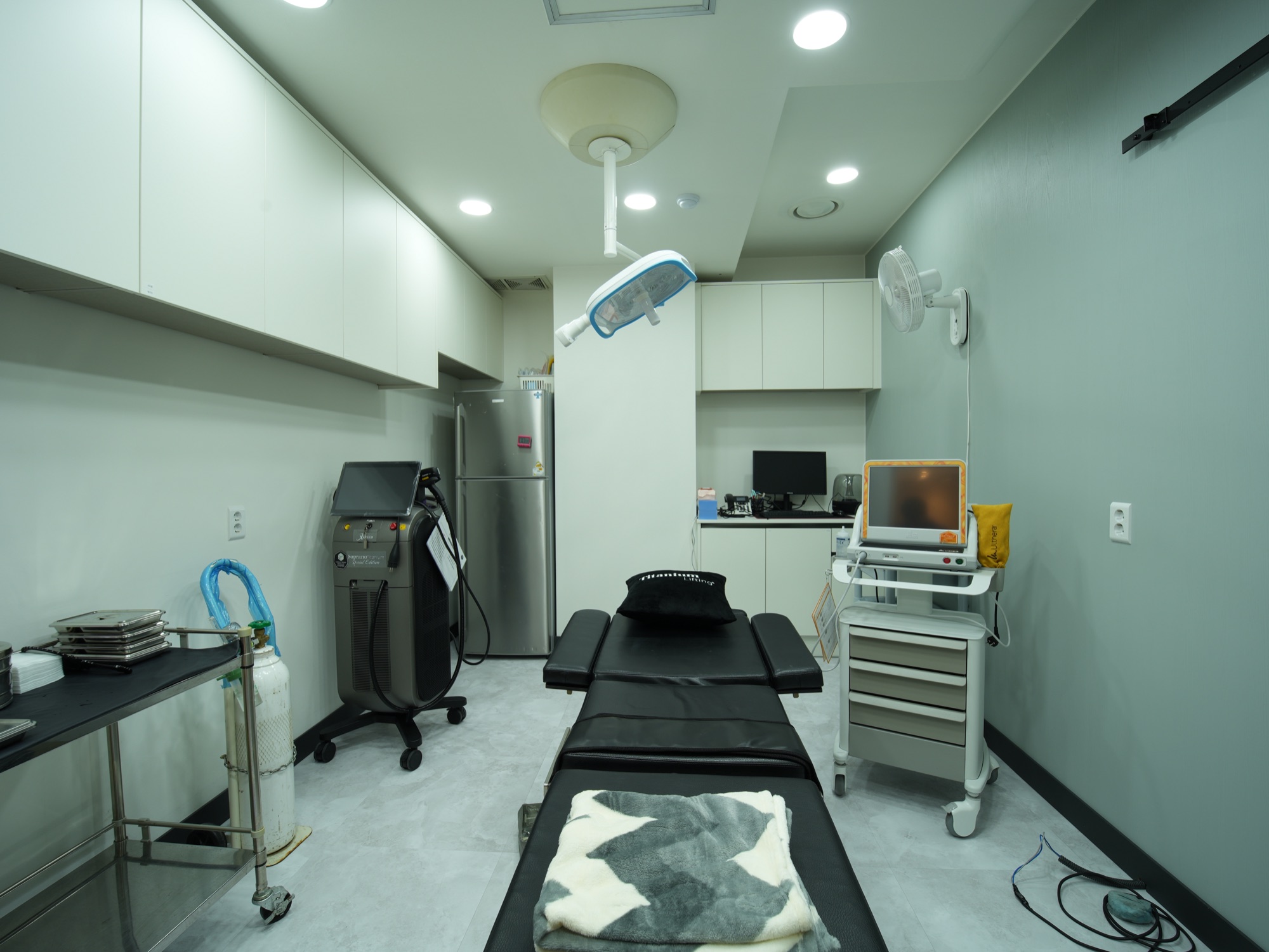
In about 30 minutes, under topical numbing, with no incisions. A doctor assesses your bridge height, tip shape and the profile you want, then maps the bridge and tip points for a straight, balanced line. After numbing cream, Mint Threads and hyaluronic-acid filler are placed to raise and define the nose. The doctor refines the line and checks the profile from every angle before you leave.
You can usually resume daily life immediately. Mild redness, swelling or slight tenderness at the tip may last a few days and then settles. Avoid pressing on the nose, heavy glasses and intense heat for the first days. The clinical details are on our nose filler and thread page.
How long does it last?
The filler component typically lasts around 6–12 months, and the threads are absorbable. Results vary with the product and individual metabolism. That makes a nose thread lift a maintained result, not a permanent one — which is also why it is a lower-commitment way to see a new profile before considering anything surgical.
To see what real results look like, our before-and-after gallery includes HERA nose thread and filler cases, and our nose thread lift before and after guide explains how to read them.
Threads, filler, or both?
For most noses, both — each does a job the other cannot. Filler alone can raise the bridge but struggles to define the tip. Threads alone give support but little volume. Combined, they give a higher bridge and a more defined tip in one session.
If you mainly want a higher bridge and your tip is already defined, filler alone may be enough; our nose filler guide covers that. If you are new to threads in general, the thread lift guide explains how absorbable threads work across the face.
What do patients ask me next?
"Will it look natural?"
It should — the aim is a nose that fits your face, not the highest possible bridge. Overbuilding is the most common reason a non-surgical nose looks artificial, so I plan conservatively.
"Does it hurt?"
Topical anesthesia keeps discomfort low, and most patients feel only mild pressure.
"Can it be reversed?"
The hyaluronic-acid portion can be dissolved and adjusted, and there are no incisions. If you are new to fillers, our first-timer's guide to fillers in Korea is a good place to start.
Book a consultation
If you are considering a nose thread lift, send me a front photo and a side profile in daylight. I will tell you honestly whether threads and filler can give you the change you want. An English interpreter joins every visit, and you receive an itemised written estimate before anything begins — international and local patients pay exactly the same.
FAQ
Frequently asked questions
Q1What is a Hiko nose thread lift?
It is a non-surgical nose procedure in which absorbable threads are placed through tiny entry points to support the bridge and tip. At HERA it is done with KFDA-approved Mint Threads combined with hyaluronic-acid filler.Q2Can a Hiko nose thread lift make my nose smaller?
No. Threads and filler can raise the bridge and add definition and projection to the tip, but they cannot narrow a wide nose, remove a hump or shorten the nose.Q3How long does a nose thread lift last?
The threads are absorbable and the filler component typically lasts around 6–12 months, varying by individual. It is a maintained result, not a permanent one.Q4Is there downtime?
Minimal. Most people return to daily life right away; mild redness, swelling or tenderness at the tip may last a few days.Q5Why combine threads with filler?
Filler alone can raise the bridge but struggles to define the tip. Threads add tip projection and a smoother line that filler alone cannot easily create.
Real stories
What Our Patients Say
Videos posted by patients who came from abroad.

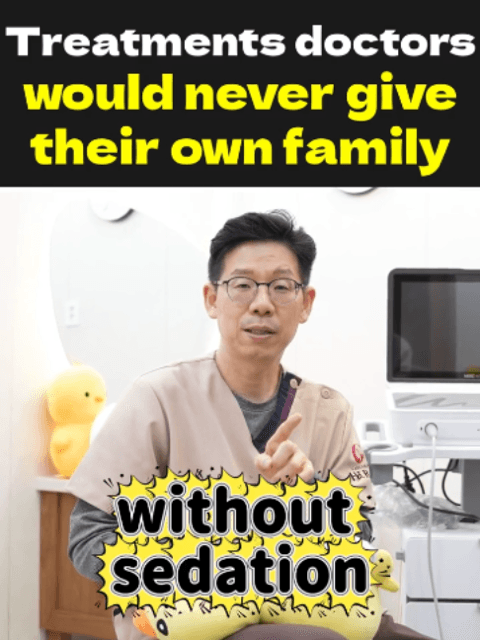
On YouTube
Hear it from the doctors before you fly
Our doctors explain HERA's main treatments, lifting, filler and skin boosters, on camera, so you know who you are meeting and how they think before you land in Seoul.
Korean audio · auto-translated captions available on YouTube
- 6:24Filler

 Dr. Jong · Dr. Jong
- 7:36Clinic & doctorsDr. Jong · Dr. Jong
- 8:07LiftingDr. Jong
- 5:44LiftingDr. Jong · Dr. Jong
Shorts
One question, under a minute
HERA TV
The doctors explain it on camera — then in writing
Each piece is written by the doctor from their own YouTube video: the patient question, why it happens and how we approach it.
 4:21ultherapy seoul
Thread Lift With Ultherapy or Titanium: A Combination Lift in Seoul
Dr. Jong Hoon Lee7 min read 5:56non surgical eye lift korea
Non-Surgical Eye Lift in Korea: Thermage, Ultherapy and Needle RF for Crepey Eyes
Dr. Jong Seon Kim7 min read 6:06eye ultherapy
Eye Ultherapy From the Patient's Chair: Dr. Jong Hoon Lee's Own Session
Dr. Jong Hoon Lee7 min read
HERA Journal
Keep reading
 Lifting
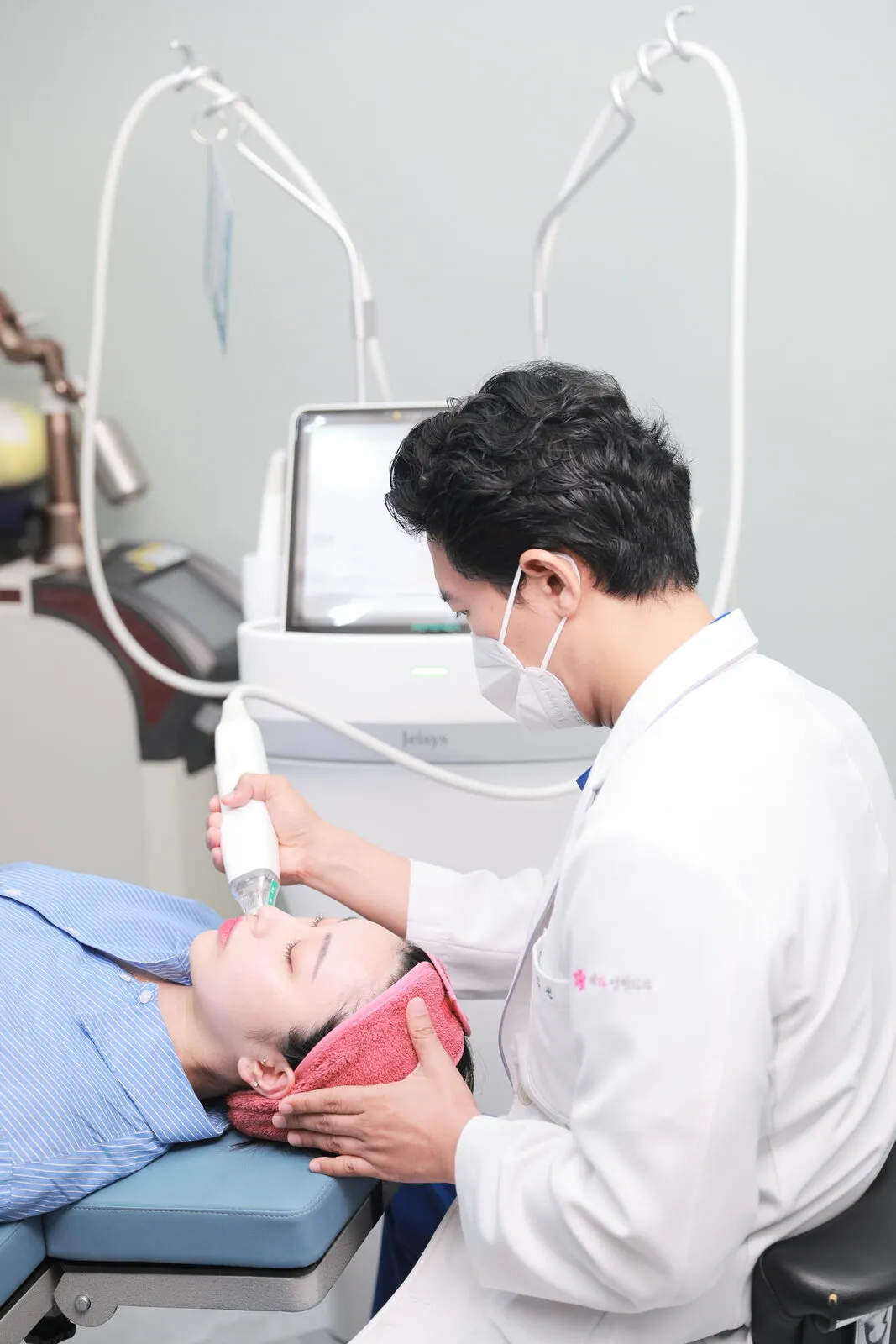
Thermage vs Ultherapy vs Density in Korea: Pick by Depth
Thermage and Density tighten the skin itself with radiofrequency; Ultherapy lifts deeper with focused ultrasound. Which one fits comes down to whether your skin is loose or your tissue has dropped.
9 minRead → Lifting
Best Clinic for Ultherapy in Korea: What Actually Matters
The best clinic for Ultherapy in Korea is the one that uses genuine Ultherapy Prime, plans depth and lines for your face, has a doctor in charge and tells you when ultrasound lifting will not help. Dr. Jong Hoon Lee explains how to judge it.
7 minRead →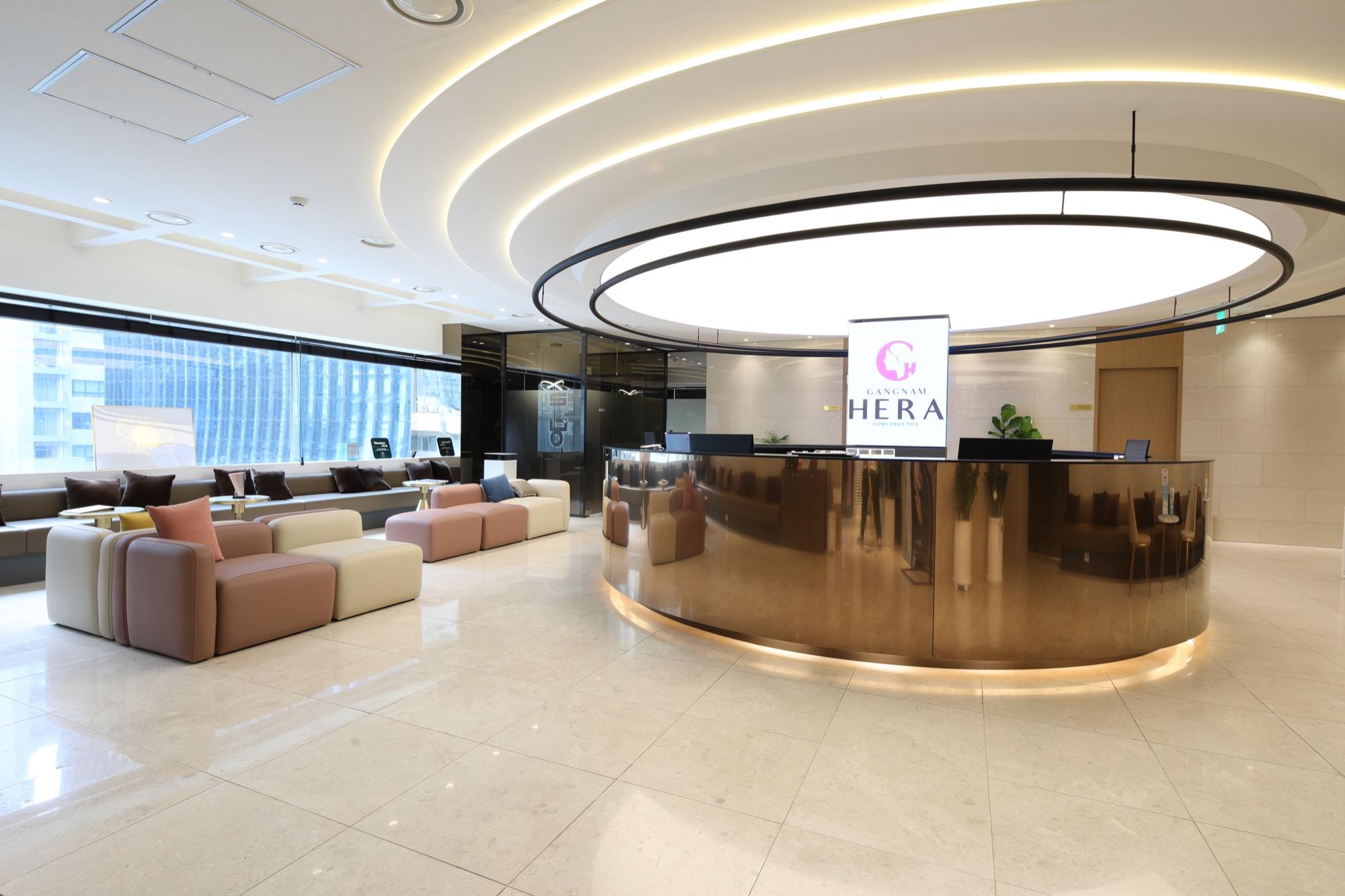 Lifting
Where to Get Thermage in Korea: 6 Checks Before You Book
Choosing where to get Thermage in Korea comes down to a genuine FLX tip, an honest shot count, who holds the handpiece and a published price. Dr. Jin Yi Han walks through six checks to make before you book.
7 minRead →
Visit us
Find Gangnam HERA
In Seocho-gu, Seoul, a three-minute walk from Gangnam Station Exit 9. Tap the map for directions.
Address
4F, 9 Seocho-daero 73-gil, Seocho-gu, Seoul, Republic of Korea
Opening Hours
Tuesday, Wednesday, and Thursday: 10:00 AM – 7:00 PM; Monday, Friday: 10:00 AM – 8:00 PM; Saturday: 10:00 AM – 5:00 PM; Lunch break: 1:00 PM – 2:00 PM; Closed on Sundays and public holidays