Korean Facelift: Four Checks for Jowls, Laxity and Downtime
 Dr. Kim Jong Seon · Filler Specialist8 min read
On this page
"Korean facelift" is a phrase I can't answer in one line, because people type it meaning two different things. Some mean a surgical facelift, where a surgeon lifts deeper tissue and removes extra skin through incisions near the ear. Many more, when they reach a Gangnam clinic, mean a non-surgical lift: threads placed under the skin, energy devices such as Ulthera, Thermage or Titanium, or injections that slim the lower face.
Which one fits you comes down to four things you can partly check in a mirror tonight: whether there is loose skin, where the heaviness sits, whether volume has been lost, and the number of days you have in Seoul.
The lifting treatments on HERA's English treatment pages are non-surgical, so this article sets surgery beside those options rather than describing a surgical facelift.
What do people mean by a "Korean facelift"?
Most of the time, a lower-face lift with short downtime rather than one specific operation. The word "Korean" in the search usually describes where the treatment happens, not a separate technique.
The confusion comes from what turns up under the phrase. Surgery photos, thread-lift videos and device treatments sit side by side, and forum threads rarely say which one a person actually had. A surgical facelift can remove surplus skin. Threads, energy devices and injections can reposition, tighten or slim what is already there, but none of them cut skin away. Results are more modest and they don't last as long as surgery's, which is why the four checks below matter more than the label.
Four checks that decide surgery versus a non-surgical lift
A consultation for lower-face sagging is mostly a sequence of these four questions. You can run a rough version yourself before you message anyone.
| Check | What you see | Usually leans toward |
|---|---|---|
| 1. Skin excess | A loose fold under the jaw or on the neck that stays when you lift your chin | Surgery, if the fold is clear |
| 2. Where the weight sits | Fullness along the lower cheeks with firm skin, versus tissue sliding below the jawline | Slimming injection versus lifting |
| 3. Volume loss | Hollow temples or flat mid-cheeks that make the face look dropped | Volume restoration may change more than pulling |
| 4. Days and swelling tolerance | A long weekend versus two weeks; visible swelling acceptable at work or not | Non-surgical routes fit short trips |
Start with the skin itself. Sit facing a window, chin level, and look at your jawline. Then tilt your chin up slowly. When the jawline sharpens again as the chin rises, the tissue is mostly heavy or slightly lax. When a fold of skin stays draped below the jaw even with the chin up, there is surplus skin, and threads or devices can't remove it.
Two faces can look alike in photos and need different things. Some people have a full lower face with skin that still springs back; for them, lifting may not be the main fix, and an injection aimed at a slimmer facial line, such as Sok-Sok Face Injection, may be the question to ask. Others have tissue that has slid below the jawline into early jowls, which is where threads and lifting devices are usually discussed.
Volume loss is often mistaken for sagging. A face that has lost volume in the temples and mid-cheeks can look like it has dropped when the main change is deflation. Pulling a deflated face tighter rarely looks natural.
The last check is about your life, not your tissue: surgery means weeks of recovery, while non-surgical lifting usually fits a short stay.
Who a non-surgical lift fits, and who should look at surgery instead
A non-surgical lift generally suits early to moderate laxity in skin that still recoils, people who want a gradual change, and travellers with limited days. It does not suit a clear skin fold on the neck, heavy jowls hanging well below the jawline, or anyone expecting the outcome of surgery from threads.
Treatment is usually postponed, or needs a closer look, in a few situations:
- Active skin infection, acne flare or broken skin in the treatment area.
- Pregnancy or breastfeeding.
- Blood thinners or supplements that increase bleeding; tell the doctor everything you take, including over-the-counter products.
- Recent filler, threads or device treatment elsewhere in the same area; bring the name of the product and the date if you have them.
Other routes exist. A surgical facelift with a plastic surgeon you can see for follow-up may be the better plan for marked skin excess. Volume restoration may do more for a deflated face. And for some people in their thirties, waiting a few years is a reasonable answer.
Book a consultation
Send us your question or a photo on WhatsApp and we will reply in English.
What a lifting plan at HERA can include
HERA's lifting and contouring menu includes the non-surgical options below, and a plan may use one, combine two, or use none of them after the exam.
- Premium Lift Combo. Ulthera, Thermage and Titanium used together as one lifting plan. The three are energy-based devices, so nothing is placed under the skin. The patient guide to Titanium lifting explains that device on its own.
- Custom Thread Lifting. Threads to lift, combined with energy treatment for the skin layer, which the clinic describes as dual-layer balance.
- Premium Thread Lifting. A thread lift using Silhouette Soft threads. The thread lift guide for Korea walks through how threads hold tissue and how long that hold tends to last.
- Sok-Sok Face Injection. An injection aimed at a smaller, slimmer facial line, relevant when fullness rather than laxity drives the shape (check 2).
If you've read about shrink lifting as a lighter option, this explainer on shrink lifting covers where it fits. The final plan, including which areas and how many sessions, is set at the face-to-face consultation.
Risks and side effects of each route
Every route has risks, and they differ in kind. The American Society of Plastic Surgeons lists the risks of surgical facelift on its facelift safety page, including bleeding, infection, facial nerve injury with weakness, numbness, prolonged swelling, unfavorable scarring and hair loss at the incisions.
Threads carry a different set. In a 2021 invited discussion in Aesthetic Plastic Surgery on a meta-analysis of thread-lift complications, the authors noted that swelling and skin dimpling were the most reported effects. Less often, threads can be felt or seen under the skin, work their way out, or become infected, and temporary numbness can occur. The same discussion warned that thread types differ enough that pooled figures should be read with care.
Energy devices most commonly leave temporary redness, swelling or tenderness. Burns, blistering and nerve irritation are uncommon but possible. Sok-Sok Face Injection, like any injection, can cause bruising and swelling at the sites.
One more limit applies to all non-surgical lifting: results are temporary and vary from person to person. Two people with the same plan can see different degrees of change, and the exam decides whether the change you want is achievable for your face.
How do I check who is doing the lifting?
Ask who places the threads and who sets the device, by name. HERA's medical team is three plastic surgeons: Dr. Kim Jong Seon, Dr. Lee Jong Hoon and Dr. Han Jin Yi.
For lifting in particular, Dr. Lee Jong Hoon is co-author of LIFTINGOLOGY: Science and Clinical Practice in Aesthetic Medicine, a Foundation Member of the Korean Academy of Facelift & Contouring (KAFC), served as Clinical Instructor at the 2023 KAFC Cadaver Workshop, and completed the Official APTOS Professional Course in Georgia in 2026.
I am a Board Member of the Korean Society of Aesthetic Surgery (KSAS) and of the International Petit Medical Society, and a Full Member of the American Society for Aesthetic Plastic Surgery. HERA is registered as a Foreign Patient Attraction Medical Institution with Korea's Ministry of Health and Welfare.
At any clinic, in Seoul or at home, these questions are fair to ask:
- Which thread brand or device will be used, and can I see the packaging before it is opened?
- Which doctor treats me, and is that the same doctor I meet at the consult?
- What is the plan if a thread becomes visible after I fly home?
The consultation at HERA runs with an English interpreter, so you can ask each of these in your own words.
Recovery timeline: same day, day 3, day 7
Non-surgical lifting usually lets you walk out the same day, but the first week is not invisible. The timeline below is typical, not a promise; your own course depends on the treatment, the areas and your skin.
| When | Threads | Energy devices (Premium Lift Combo) |
|---|---|---|
| Same day | Swelling and tightness; possible small bruises at entry points | Redness and warmth that usually fade within hours |
| Day 3 | Swelling easing; dimpling or a pulling feeling when chewing may still be present | Mild tenderness along the jaw possible; makeup often fine |
| Day 7 | Most visible swelling settled for many people; dimpling, if present, may still be settling | Visible effects usually gone; tightening, if any, builds gradually |
After thread lifting, wide mouth opening, facial massage and pressure on the face are generally limited for a period the doctor will specify.
Before you fly
Avoid scheduling any lifting treatment on the day before your flight home. Leave at least a couple of days in Seoul afterwards so swelling, bruising or a visible thread can be seen in person rather than over the phone.
A surgical facelift is a different calendar. The ASPS suggests asking your surgeon how long recovery will take and what help you'll need at home, and with surgery, follow-up with the operating surgeon is part of the plan.
Visiting HERA in Gangnam
HERA is at 4F, 9 Seocho-daero 73-gil, Seocho-gu, Seoul, three minutes from Gangnam Station.
Hours are Monday and Friday 10:00–20:00, Tuesday to Thursday 10:00–19:00 and Saturday 10:00–17:00, with lunch from 13:00 to 14:00; the clinic is closed on Sundays and public holidays. If you land on a Saturday evening, Monday morning is your first possible consult, so build that into the trip.
Before you plan dates, send three daylight photos on WhatsApp: front, left side and right side, face relaxed, chin level, no makeup if you can. Add the dates you're considering, and one line on what you saw in the chin-lift mirror test: whether the fold under your jaw stayed or disappeared.
FAQ
Frequently asked questions
Q1Is a Korean facelift the same as a thread lift?
Not necessarily. People use the phrase for both surgical facelifts and non-surgical lifts such as threads or energy devices. A thread lift repositions tissue but does not remove skin, so it suits a different kind of sagging than surgery does.Q2Can a non-surgical lift replace facelift surgery?
Not when there is a clear fold of surplus skin under the jaw or on the neck. Threads and energy devices can lift or tighten tissue that is mildly lax, but they cannot cut away excess skin. For marked skin excess, surgery is usually the more realistic option.Q3How long should I stay in Seoul for a non-surgical lift?
Plan at least a couple of days after treatment so any swelling, bruising or visible thread can be checked in person. Avoid treatment on the day before your flight. HERA is closed on Sundays and public holidays, so factor that into your arrival day.Q4Do I need to speak Korean for the consultation?
No. HERA's consultation runs with an English interpreter. It still helps to write down your questions beforehand, including any medications you take and previous treatments in the same area.Q5How long do thread lift results last?
It varies with the thread type, the area and your skin, and published reviews note that long-term data are limited. Results from any non-surgical lift are temporary. The doctor can explain what to expect for your face after the exam.
HERA Journal
Keep reading
- Fillers
Korean Rhinoplasty on a Short Trip: Surgery or Nose Filler?
Korean rhinoplasty usually means surgery. If you only want a higher bridge or a more defined tip on a short trip, nose filler may work; a hump, wide nostrils or a breathing problem need a surgeon.
7 minRead → - Skin boosters
Korean Glass Skin Facial After 40: What Decides the Plan
A Korean glass skin facial at a Seoul clinic is usually a skin-booster plan rather than one spa facial: hyaluronic acid, polynucleotide or collagen-stimulating injections, chosen after an in-person skin exam.
7 minRead → - Skin boosters
Is a Korean Facial in Seoul a Spa Visit or a Clinic Visit?
In Seoul, a Korean facial means either a spa facial with no needles or a clinic skin booster injected or microneedled by a doctor. Which fits depends on your skin concern, your days in Seoul and your comfort with needles.
8 minRead →
On TikTok
TikTok
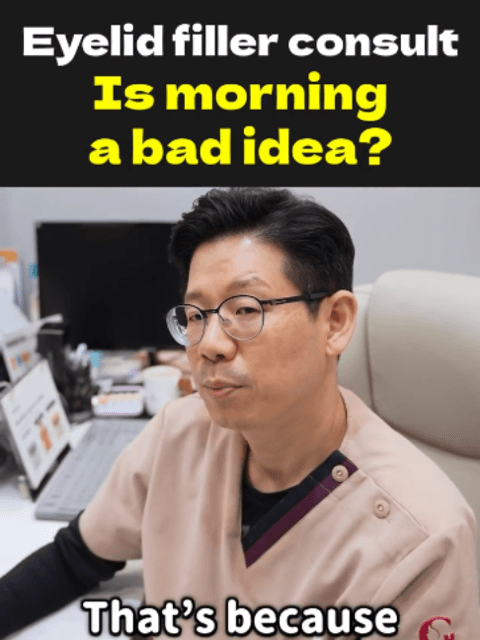
Is morning the best time for upper eyelid fillers? 🤔 Our doctor explains why the timing of your appointment can make a difference during your consultation. Watch until the end to learn why. ✨
@gnheraclinic_en

Can one thread lift improve both lifting and skin quality? 🤔 Our doctor explains how the key components of the Aptos Thread Lift work and what makes it different from traditional threads. Watch until the end to learn more. ✨
@gnheraclinic_en
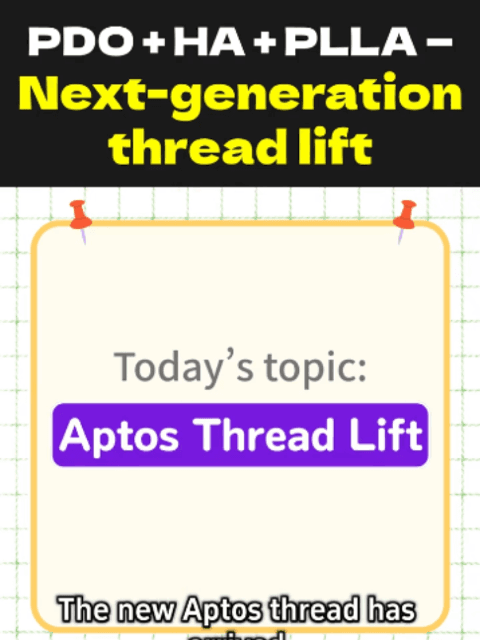
Thinking about a thread lift? 🤔 Aptos is more than just a PDO thread. Our doctor explains what makes it different and why it's become a popular lifting option. Watch until the end to learn how it works. ✨
@gnheraclinic_en
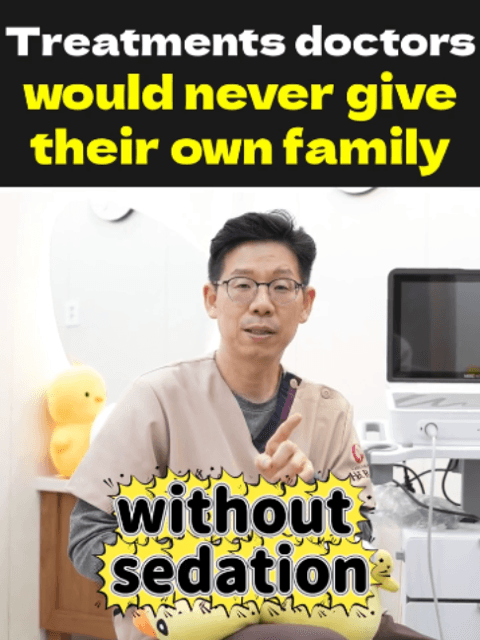
Would you choose sedation for Ultherapy? 🤔 Our doctor shares why he personally wouldn't recommend it—even for his own family. Watch the full explanation before making your decision. ✨
@gnheraclinic_en
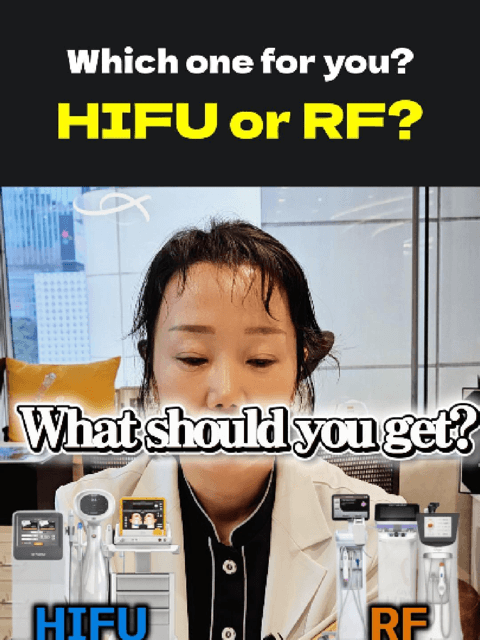
HIFU or RF — which one does your face actually need? They both lift your skin — but in completely different ways. Which one is right for your face? Explained by a Korean aesthetic doctor. Save this before getting a lifting treatment.
@gnheraclinic_en
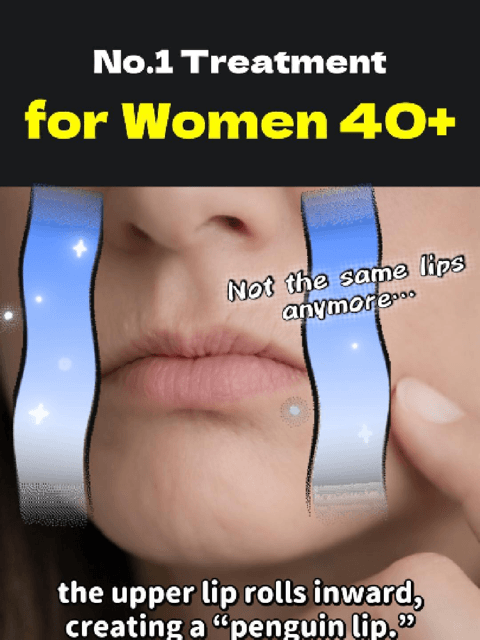
Noticing drooping mouth corners after 40? A small change can make a big difference. Lip filler + corner Botox ✔ Restore lip volume ✔ Lift the mouth corners ✔ Brighter smile 📍Gangnam HERA Clinic – Seoul Korea Follow @gnheraclinic_en
@gnheraclinic_en
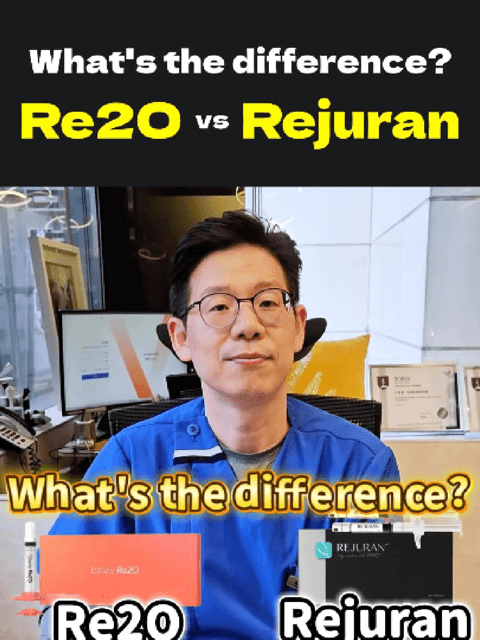
Re2O vs Rejuran Which skin booster is right for your skin? Korean aesthetic doctor explains the difference.
@gnheraclinic_en

HIFU = Hollow Cheeks? Depends on your face type. Slim faces + strong HIFU can cause volume loss. Customized treatment is key.
@gnheraclinic_en

Jaw Botox mistake? Here’s why some faces look “peanut-shaped.” Placement matters. Save this before your next appointment.
@gnheraclinic_en
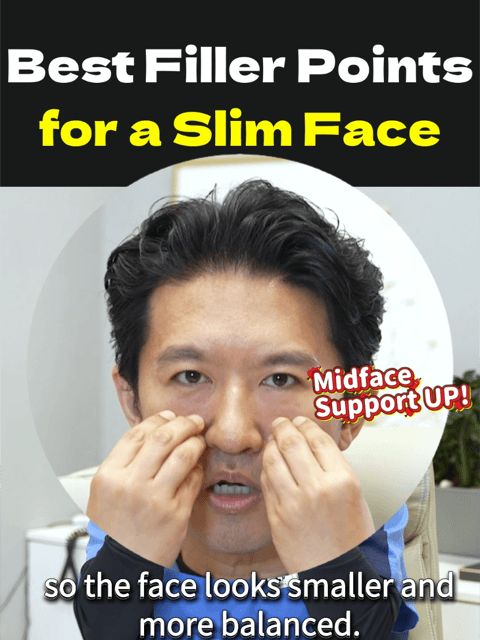
Want a smaller-looking face? It’s about placement. Save this.
@gnheraclinic_en
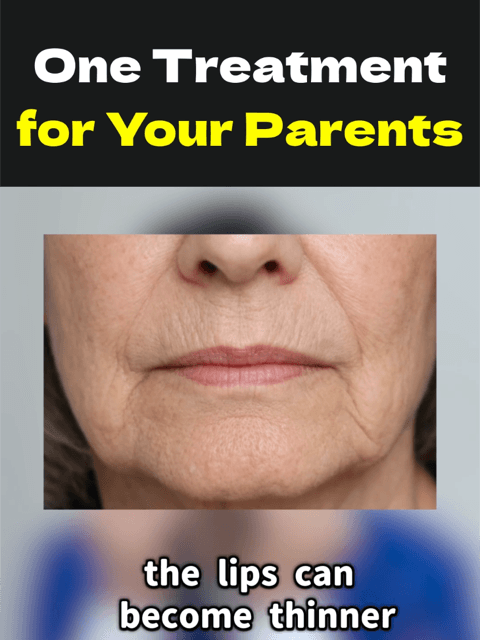
One treatment I’d recommend for parents? You might be surprised.
@gnheraclinic_en
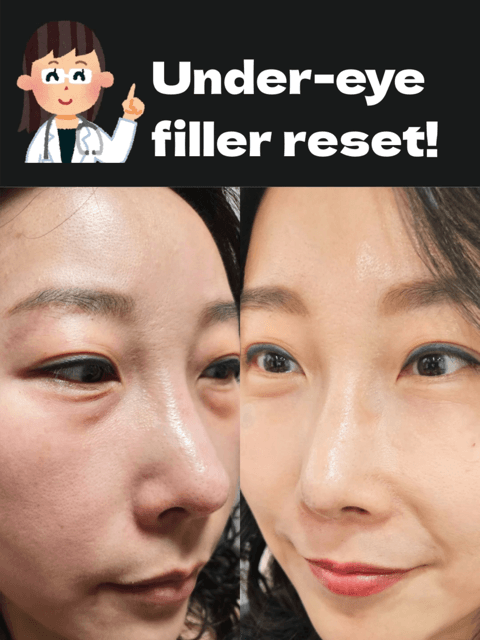
✨ Under-Eye Filler Correction & Re-Treatment ✨ Sometimes, filler isn’t about adding more — it’s about doing it properly and safely. In this case, the under-eye area required: ✔ Filler dissolving (hyaluronidase) ✔ Careful assessment of the depth and placement ✔ A natural re-treatment for a smoother result The tear trough is one of the most delicate areas of the face, so precision and experience truly matter. At Gangnam HERA Clinic in Seoul, we specialise in: 💎 Under-eye filler correction 💎 Tear trough rejuvenation 💎 Natural, balanced results (never overfilled) If you’re visiting Korea and looking for a trusted clinic in Gangnam, Seoul, we provide full English support for international patients. 📍Gangnam, Seoul 📩 DM us to book a consultation
@gnheraclinic_en
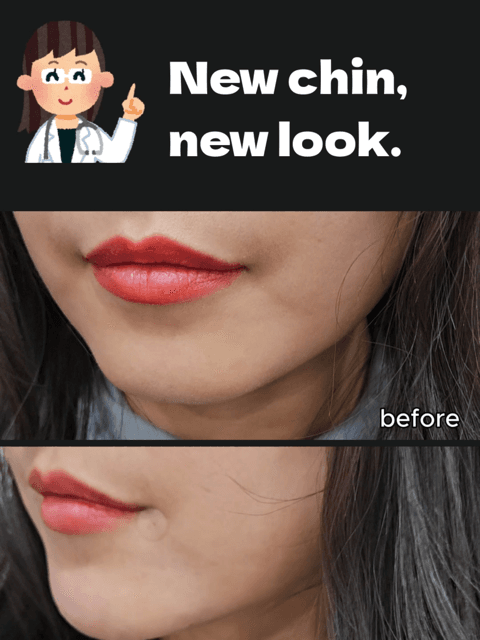
✨ Chin Filler for Facial Balance ✨ A small change can make a big difference — especially in your side profile. At Gangnam HERA Clinic in Seoul, chin filler is designed to: ✔ Improve facial harmony ✔ Enhance the jawline naturally ✔ Create a softer V-line effect ✔ Support a more defined profile (without surgery) Our treatments are doctor-performed, highly precise, and always tailored to your unique facial structure. If you’re looking for natural chin filler in Gangnam, Seoul, we offer full English support for international patients. 📍Gangnam, Seoul 📩 DM us for consultation & booking
@gnheraclinic_en
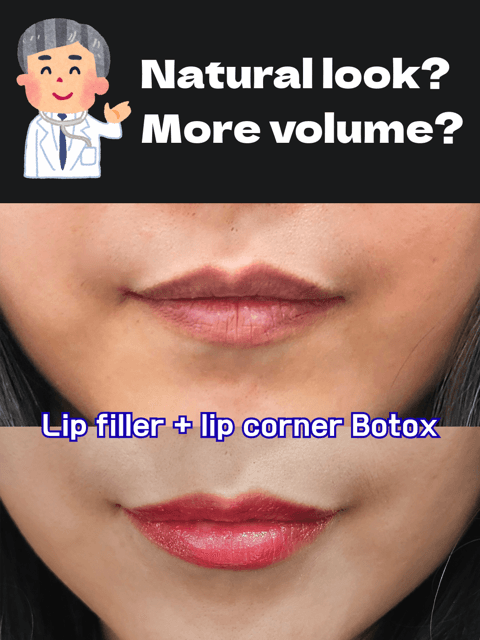
✨ Natural Lip Filler in Seoul (Gangnam) ✨ Subtle, balanced, and beautifully tailored to your facial features. At Gangnam HERA Clinic, our lip filler treatments focus on: 💗 Soft volume (not overdone) 💗 Better lip symmetry 💗 A more youthful, refreshed look 💗 Doctor-performed, precision-based results If you’re visiting Korea and looking for a trusted clinic in Gangnam, Seoul, we provide full English support for international patients. 📍Located in Gangnam, Seoul 📩 DM us to book your consultation
@gnheraclinic_en
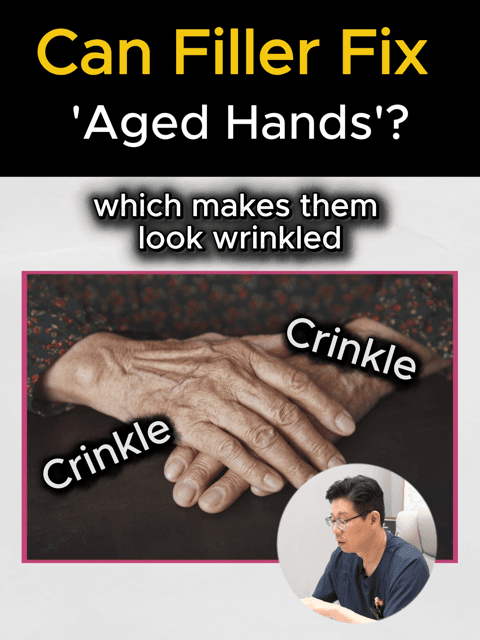
Restore Your Youth: The Magic of Hand Fillers ✨✋ Do you find yourself hiding your hands because of visible veins, tendons, or wrinkled skin? As we age, we lose volume in our hands, making them look older than we feel. But you don't have to let your hands give away your age! At Gangnam Hera, we provide a professional solution to restore that smooth, youthful look: ✅ Volume Restoration : Fills in hollow areas where fat has been lost. ✅ Vein & Tendon Camouflage : Softens the appearance of protruding vessels for a softer look. ✅ Smooth Texture : Deeply plumps the skin to reduce the "wrinkled" appearance. Experience an instant rejuvenation with natural-looking results. Let your hands match your youthful glow! 💎
@gnheraclinic_en
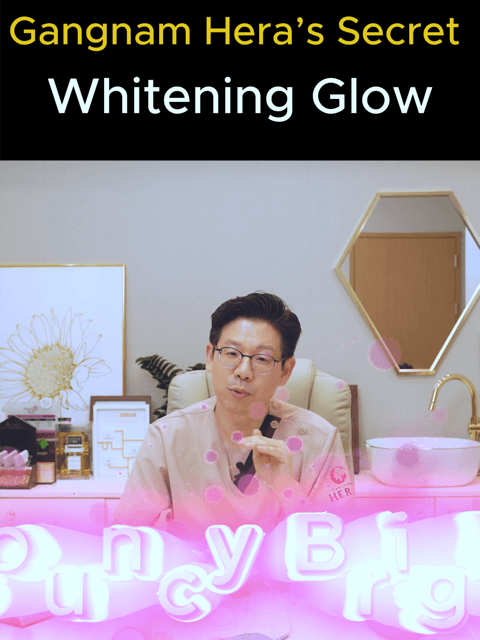
The Secret to "Soft Tofu" Skin? Only at Gangnam Hera! 🥛✨ Ever heard of the "Soft Tofu" Skin Booster? Just like the name suggests, it’s the ultimate secret to achieving a bouncy, bright, and milky-white complexion. The star ingredient is Glyju, a revolutionary booster made from Glyceollin (soybean-derived) ✅ Powerful Whitening: Blocks melanin synthesis for a clearer skin tone. ✅ Vascular Health: Promotes skin regeneration and healthy glow. ✅ Instant Hydration: Packed with Hyaluronic Acid to erase dryness. Why Gangnam Hera? 🤫 Glyju is amazing on its own, but we do it differently. At Hera, we combine it with an exclusive secondary treatment that boosts the results by 200%. This unique "Secret Formula" is available only at our clinic, giving you that signature whitening glow you can't find anywhere else. Ready for your Soft Tofu transformation? Experience the newest trend in Gangnam! 💎
@gnheraclinic_en
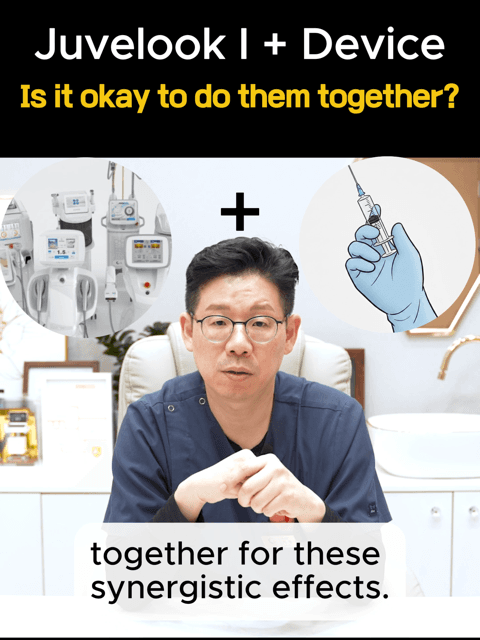
Juvelook I + EBD The Perfect Synergy 💉⚡️ Why combine Juvelook I with Energy-Based Devices (EBD)? Because they work better together! Juvelook I: Stimulates deep collagen production. EBD : Tightens skin tissue using thermal energy. At Gangnam Hera, we provide both to give you volume and lifting at the same time. 🕒 Already had Juvelook? We recommend a 2–3 week interval for absorption before starting your device treatment.
@gnheraclinic_en
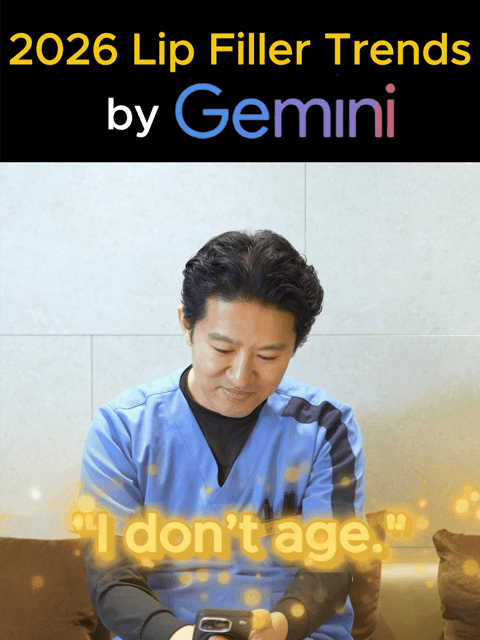
I asked AI (Gemini 3.0) about the future of lips, and the answer was clear: Be Yourself. ✨ 🎬 2026 Lip Trends (Quick Summary) 1️⃣ Beyond Volume 👄 Less is More! It’s all about a natural, healthy glow over fake volume. 2️⃣ Hybrid Care 💧 Filler + Skin Booster (Rejuran/Exosome). Shape with filler, hydrate with boosters. 3️⃣ Advanced Safety 🛡️ New materials, longer results, and fewer side effects. (P.S. I asked Gemini how old it is, and it said it doesn‘t age... Must be nice! But for us humans, we have Gangnam Hera to keep us youthful! 😂) 📍 Visit us in Gangnam for your 2026 personalized lip design.
@gnheraclinic_en

Stop guessing! Here is the REAL difference between Rejuran i and Juvelook i. 👇 ✅ Rejuran i Hydration & Glow. Perfect for fixing dry, "crepey" skin and adding that healthy inner radiance. ✅ Juvelook i Natural Volume. Perfect for filling hollow tear troughs by boosting your natural collagen. No bumps, just smooth skin. One heals the skin, the other fills the hollows. Which one is your concern? Tell us in the comments! 💬
@gnheraclinic_en
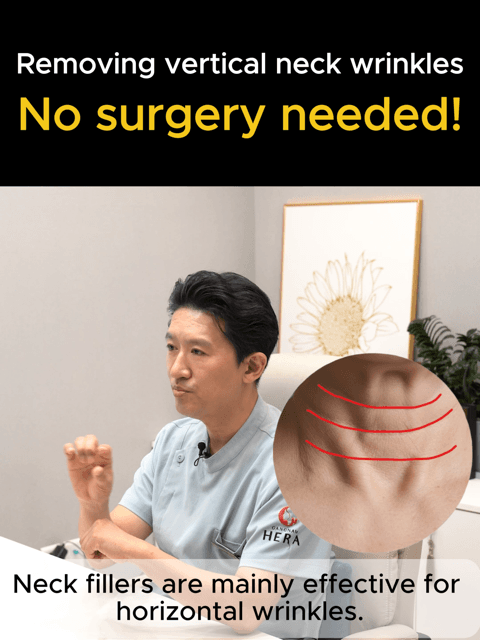
Say goodbye to vertical neck wrinkles—WITHOUT surgery! 🙅♀️✨ Vertical neck lines used to be the hardest to treat, often needing a surgical neck lift. But the trend has changed NOW Introducing the CaHA Skin Booster treatment! 💉 By spreading diluted calcium filler evenly under the vertical folds, we stimulate your skin to regain its firmness and bounce naturally. Perfect for ✅ Loss of skin elasticity ✅ Deep vertical neck bands ✅ Those wanting surgical results without the downtime The future of neck rejuvenation is here at Gangnam Hera. 🤍
@gnheraclinic_en
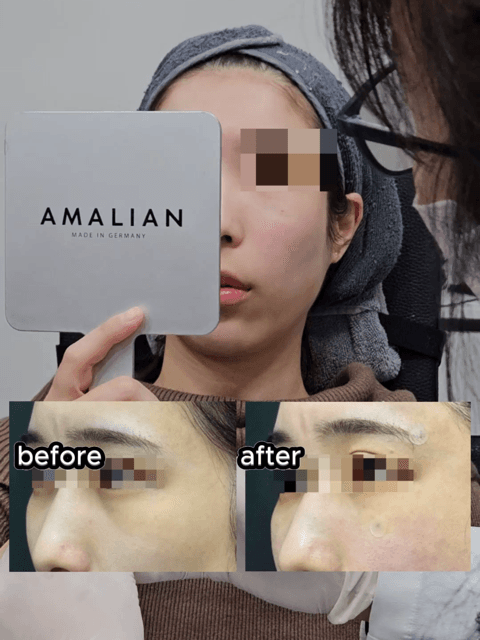
Even without lifting, your look can change this much. By adding only the necessary amount of filler to the temples, lateral cheeks, and chin, and combining chin Botox with Juvelook Eye, we refined the overall balance. Not to look unnaturally younger, but natural and smooth. This is a case that shows how much of a difference filler alone can make. 📩 For consultations and appointments, please contact us via DM or WhatsApp. * Results may vary by individual.
@gnheraclinic_en
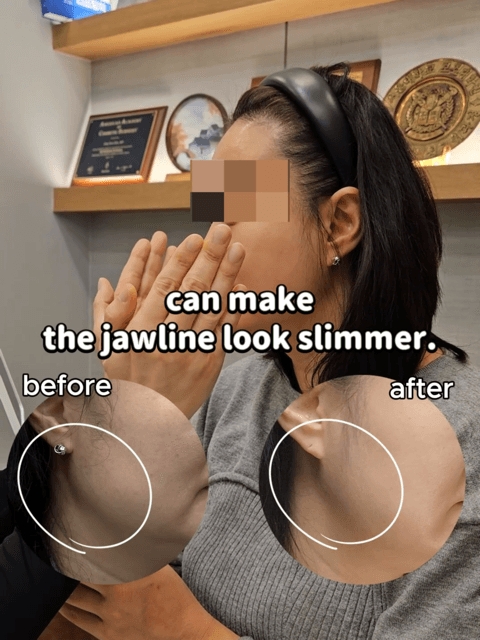
As we enter our 40s, many people start to notice: ✔️ Looser facial contours ✔️ A double chin ✔️ Deeper neck lines Improvement isn’t only about “lifting.” By reducing excess volume, refining the contours, and adding volume only where needed, the overall appearance can change significantly. This case combines: Ultherapy, fat-dissolving injections, Botox, and filler. Not to look unnaturally younger, but to look natural, clean, and refined. We offer facial contouring tailored for your 40s, with a balanced and thoughtful approach. For inquiries and appointments, please contact us via DM or WhatsApp.
@gnheraclinic_en
A special New Year message from the doctors at HERA. 💌 May your 2026 be as bright and glowing as the skin you’ve always dreamed of. We are so grateful to be part of your beauty journey. Stop the screen to reveal the blessing waiting for you! 🧧✨ Wishing you a year of overflowing happiness and health. Happy New Year! 🎊
@gnheraclinic_en
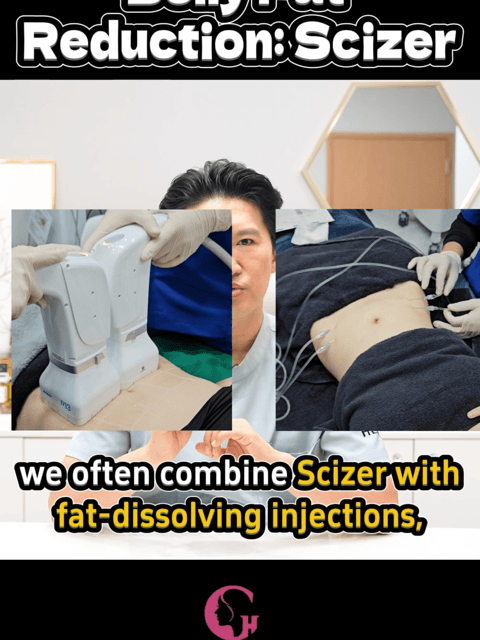
Body Ultherapy? 👀 Meet Sizer. 📢FDA-approved for belly fat reduction. Goes deeper. Works better. Sizer + fat-dissolving injections = 🔥
@gnheraclinic_en
On YouTube
YouTube Shorts
Quick, honest answers from our doctors — tap any short to play.
Your medical team
A Medical Team That Sees You Through, Start to Finish
Board-certified specialists who treat every patient like family — the same doctor guides you from your first consultation to your final result, aiming for natural beauty with minimal need for revision.
Dr. Kim Jong Seon
“I am a doctor you can trust, dedicated to enhancing your natural beauty.”
Career & Credentials
- Director, Gangnam HERA Plastic Surgery Clinic
- Board Member, Korean Society of Aesthetic Surgery (KSAS)
+9 more
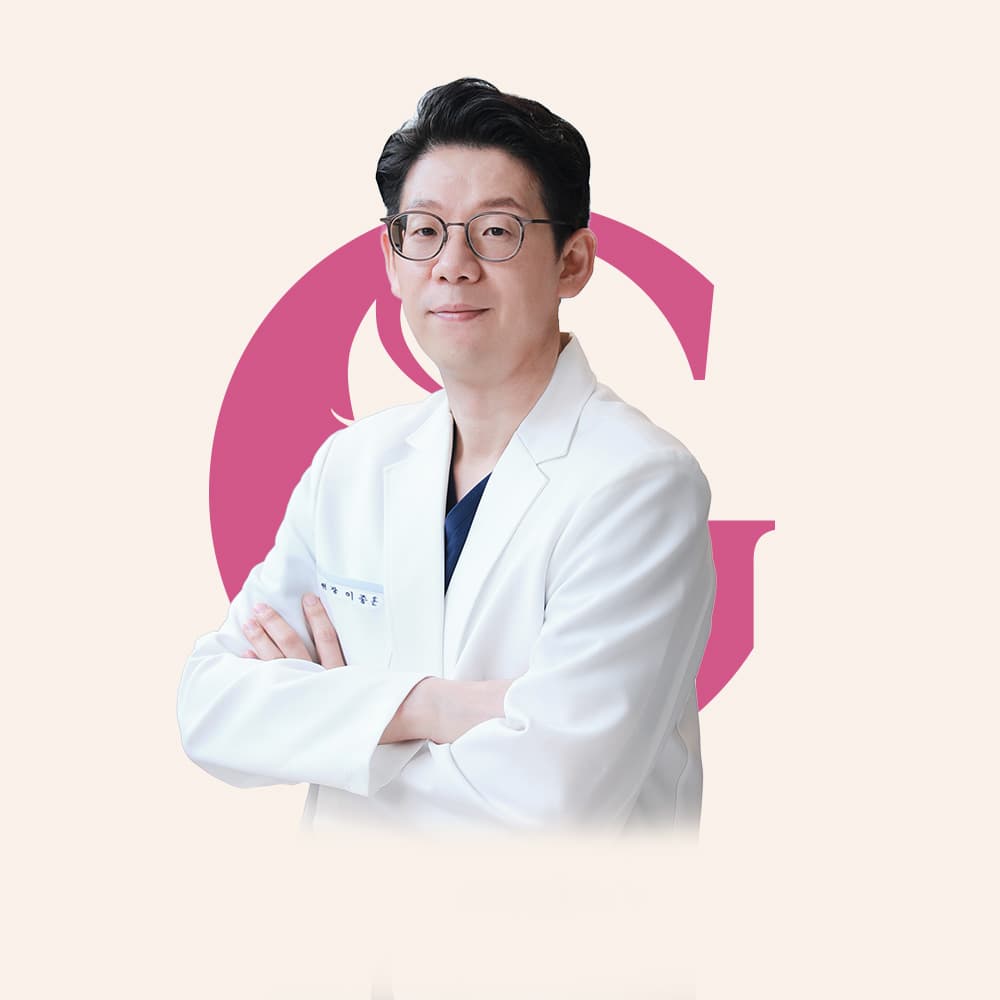
Dr. Lee Jong Hoon
“I dedicate myself to achieving the best results with minimal need for revision.”
Career & Credentials
- Co-author, LIFTINGOLOGY: Science and Clinical Practice in Aesthetic Medicine
- Recipient, Minister of Health and Welfare Award for Outstanding Contribution to National Health Improvement
+11 more