
On this page
The short answer: Thermage and Ultherapy solve different problems. Thermage uses monopolar radiofrequency (RF) to heat the skin's dermis broadly, tightening surface laxity and improving texture. Ultherapy uses microfocused ultrasound (HIFU technology) to reach deeper, down to the SMAS layer, for a lifting effect. In a thermage vs ultherapy decision, loose crepey skin tends to favour Thermage, while sagging and drooping tends to favour Ultherapy — and many people are best served by combining them. Results vary by individual, so the final plan is decided in consultation.
Thermage vs Ultherapy: the core differences
The single most useful thing to understand about the thermage vs ultherapy differences is the layer each one targets and the energy it uses. This is the whole comparison in one idea.
Thermage delivers bulk RF heating across a wide skin area, which is why it excels at overall firming, pore refinement and that "shrink-wrapped" surface tightening. Ultherapy deposits ultrasound energy in precise focal points at set depths, including the SMAS — the same connective layer a surgeon tightens in a facelift — which is why it reads more as a lift. Neither is inherently better; they answer different questions. If you want the deeper mechanics of the ultrasound approach, our SMAS Lifting Ultherapy guide goes further.
| Thermage | Ultherapy | |
|---|---|---|
| Energy | Monopolar RF | Microfocused ultrasound |
| Main effect | Skin tightening, texture | Deeper lifting |
| Target depth | Dermis (broad) | Up to SMAS |
| Best for | Crepey, lax skin | Sagging, jowls, contour |
| Sessions | Usually one | Usually one |
See real cases. Photographs say more than description. Our patient case gallery holds before-and-after records from treatments performed at HERA, filterable by treatment type — worth looking through before you decide what is realistic for you. You can also read the full protocol on our Preheat Thermage page.
Who each treatment is for — and who it's NOT for
Being honest about candidacy matters more than any spec sheet.
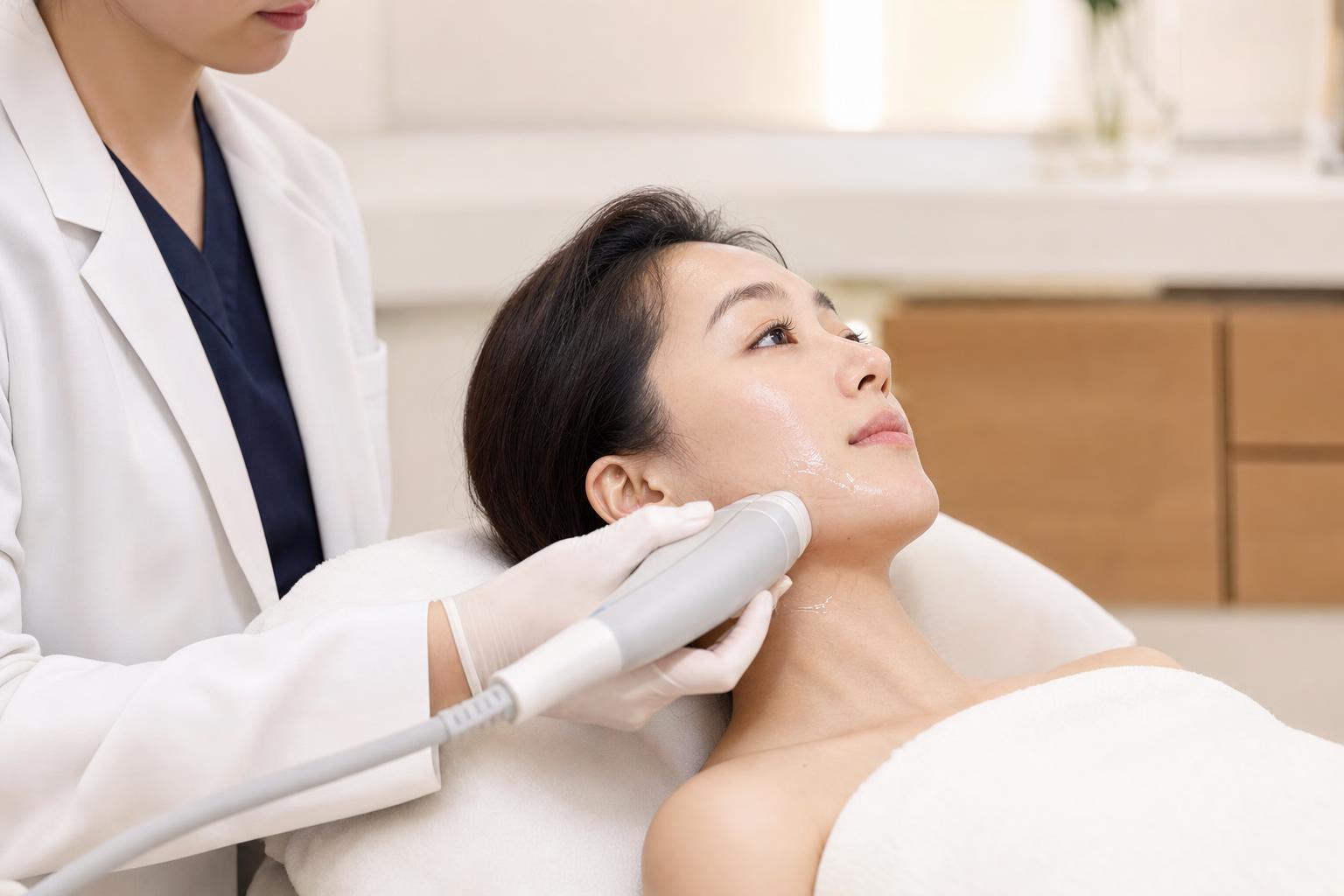
- Thermage suits you if your main concern is loose, crepey, thinning skin, enlarged pores, or an overall lack of firmness — especially on the cheeks, forehead and body areas. It's forgiving across skin types.
- Ultherapy suits you if your concern is descent — early jowls, a softening jawline, brow heaviness or under-chin laxity — and you want a lifting vector rather than surface tightening. In a thermage vs ultherapy for jowls question, Ultherapy is often the more logical starting point.
- Thermage vs ultherapy for eyes: both have eye-area applications. Thermage has a dedicated eye tip for periorbital crepiness and hooding; Ultherapy can address a heavy, drooping brow. The right choice depends on whether your issue is skin quality or brow descent.
- Neither is right if you have significant volume loss or advanced sagging that only surgery or a combination plan can address. In those cases we'll say so, and may suggest fillers, a thread lift, or a staged plan instead.
Good to know
You don't always have to choose. Many patients do Ultherapy for the deep lift and Thermage for the surface tightening — they layer well because they act on different depths. A consultation decides the sequence and whether both are worthwhile for you.
Density, HIFU, XeRF: where do they fit?
Clinics in Korea now offer several energy devices, so a fair thermage vs ultherapy vs density comparison 2025 is a common request. In brief:
- HIFU is the broad category of high-intensity focused ultrasound; Ultherapy is a specific, well-studied HIFU platform. In a hifu vs thermage vs ultherapy or ultherapy vs hifu vs thermage question, Ultherapy sits within HIFU as a premium, imaging-guided version.
- Density is an RF-based lifting platform. In a density vs thermage vs ultherapy or density rf lifting vs thermage vs ultherapy comparison, Density is closer to Thermage in mechanism (RF), while Ultherapy stands apart as ultrasound.
- XeRF and similar newer RF devices also appear in xerf vs thermage vs ultherapy searches — again, RF-family tools whose role overlaps with Thermage's tightening lane.
The practical takeaway for a thermage vs ultherapy vs density korea 2025 decision: group devices by energy type first (RF vs ultrasound), then match to whether you need tightening or lifting. If you want to explore the wider menu, see our lifting treatments overview and our Shrink Lifting guide.
What's included at HERA — and the same-price policy
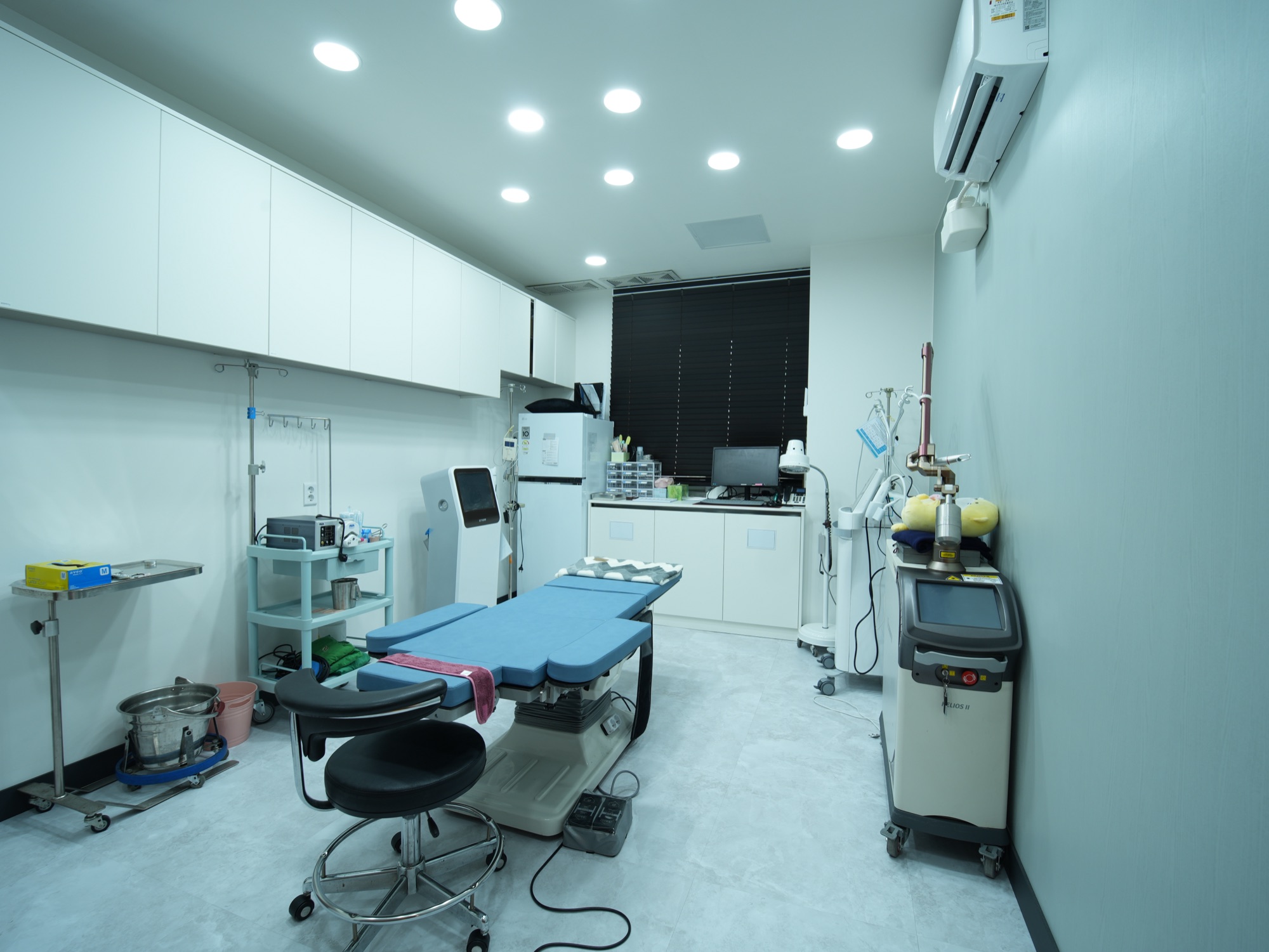
When you book either treatment at HERA, your plan includes an in-person physician consultation to confirm candidacy, the treatment performed by a licensed doctor, mapping of the treatment area, and written aftercare. We don't print per-shot or per-line numbers here because the right coverage — full face, lower face only, plus neck or eyes — changes what's appropriate for you. On a thermage vs ultherapy cost or thermage vs ultherapy price question, the fair answer is a written estimate after we see your skin.
What we can promise: international and local patients pay the same price — no foreigner markup. You'll receive an itemised, transparent estimate before anything begins. For the pricing logic on each device specifically, our Thermage cost guide and Ultherapy cost guide explain what drives the number.
Trust: doctor-led care and genuine devices
Energy-based lifting is only as good as the hands running the device and the authenticity of the consumables. Both Thermage and Ultherapy use single-use tips/cartridges with a set number of pulses; a genuine cartridge is central to both safety and result. At HERA we follow an opening, serial-record and documentation protocol so you can verify what was used, and treatments are delivered by licensed physicians rather than delegated.
On thermage vs ultherapy pain: both involve heat sensation. Ultherapy's deep pulses can feel sharp momentarily at the deepest lines; Thermage delivers heat-then-cool cycles that most describe as tolerable warmth. We adjust energy in real time to your comfort — pain is a signal to modulate, not to endure.
Recovery timeline and travel-aware aftercare
One reason both are popular with visitors: downtime is minimal for most people.
- Day of: mild redness, warmth or slight swelling that usually settles within hours. You can go out the same day.
- 3 days: any puffiness or tenderness (more common with Ultherapy in the deeper zones) typically eases. Occasional temporary numbness or small bumps can occur and resolve.
- 7 days and beyond: most visible side effects are gone. Collagen remodelling continues quietly, with tightening and lifting typically building over 8-12 weeks and maturing over several months. Results vary by individual.
Before you fly
Book early in your Seoul trip if possible — not because downtime is heavy, but so any transient swelling settles before events or your flight. Avoid intense heat (saunas, hot yoga) and alcohol for the first 24-48 hours, and keep sun protection consistent while collagen rebuilds.
The treatment itself. If you want the clinical detail — who it suits, how a session runs, recovery and the honest limits — it is set out on our AI-Mapping Ultherapy page.
Visiting HERA in Gangnam
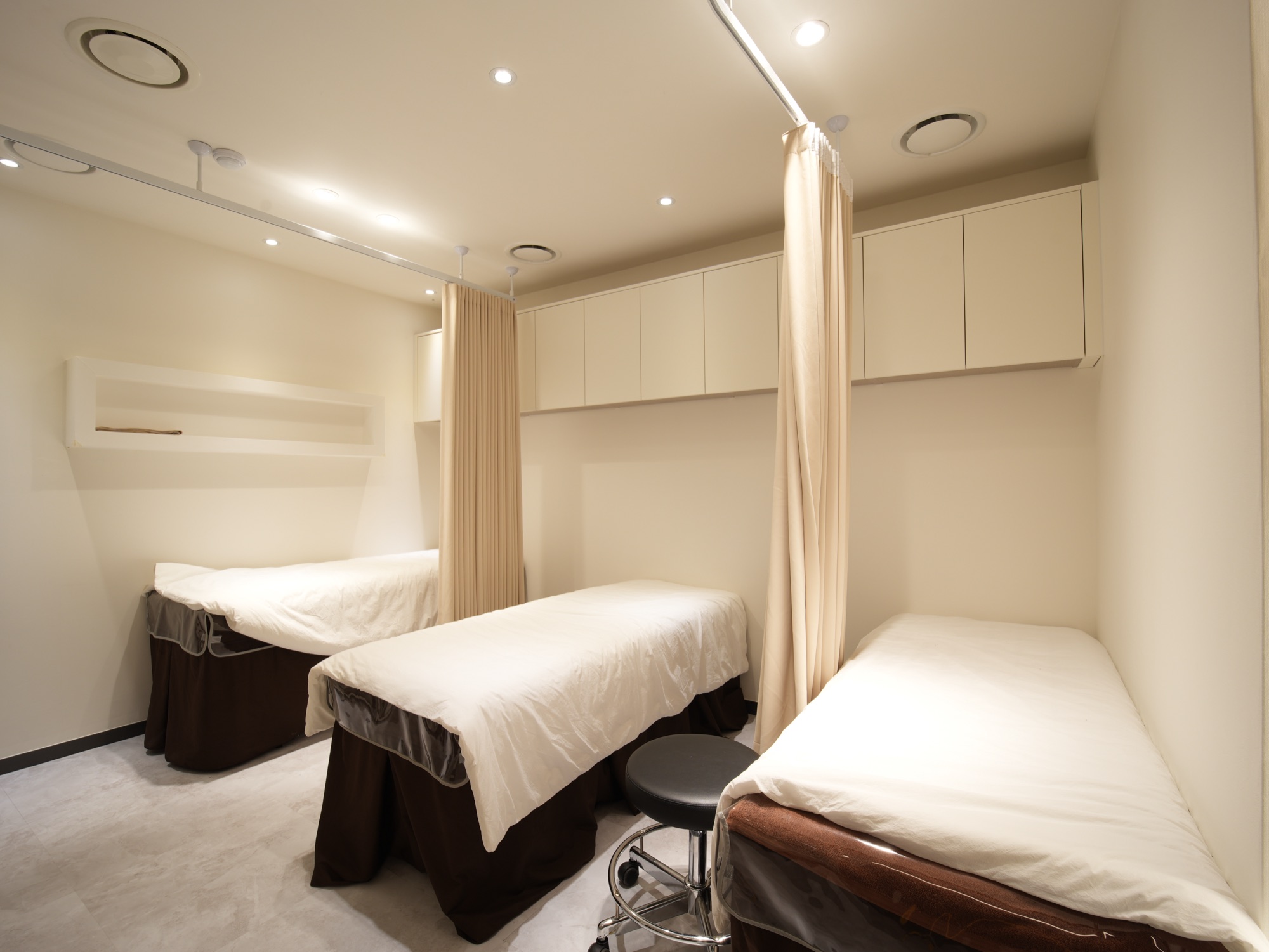
Here's how a visit works so there are no surprises. You can enquire and book before you arrive in Korea, and an on-site English interpreter joins your consultation and treatment so nothing about candidacy, settings or aftercare is lost in translation. Most Thermage or Ultherapy sessions are completed in a single visit with minimal downtime, which fits a short trip — and if we think combining the two, or adding skin regeneration boosters for texture, serves you better, we'll plan the timing around your schedule.
We'd rather recommend the one treatment your skin actually needs than sell you both by default. If loose surface skin is your issue, that points one way; if descent is your issue, another. Message our English-speaking team for a written estimate and an honest read on whether Thermage, Ultherapy, or a combination fits you best — no obligation to proceed on the day you ask.
FAQ
Frequently asked questions
Q1What is the main difference between Thermage vs Ultherapy?
Energy and depth. Thermage uses radiofrequency to broadly heat the dermis for skin tightening and texture, while Ultherapy uses microfocused ultrasound to reach the deeper SMAS layer for a lifting effect. Tightening leans Thermage; lifting leans Ultherapy. A consultation confirms which fits your skin, as results vary by individual.Q2Which is better for jowls — Thermage or Ultherapy?
For early jowls and a softening jawline, Ultherapy is often the more logical starting point because it targets the deeper SMAS layer where descent originates. If loose surface skin is also a factor, combining it with Thermage can help. We decide the plan after seeing your face in person.Q3Is Thermage or Ultherapy more painful?
Both involve heat sensation. Ultherapy's deep pulses can feel briefly sharp at the deepest lines, while Thermage delivers heat-then-cool cycles most describe as tolerable warmth. We adjust energy in real time to your comfort, treating pain as a signal to modulate settings rather than something to endure.Q4How do Density and HIFU compare to Thermage vs Ultherapy?
Group devices by energy first. Density and XeRF are RF-based, closer to Thermage's tightening lane. HIFU is the broad ultrasound category, and Ultherapy is a premium, imaging-guided HIFU platform used for lifting. The right device depends on whether your concern is tightening or lifting.Q5How much do Thermage and Ultherapy cost in Korea?
We don't publish per-shot numbers because the right coverage — full face, lower face, plus neck or eyes — changes what's appropriate. International and local patients pay the same price with no foreigner markup, and you'll receive an itemised written estimate after an in-person consultation.
Real stories
What Our Patients Say
Videos posted by patients who came from abroad.
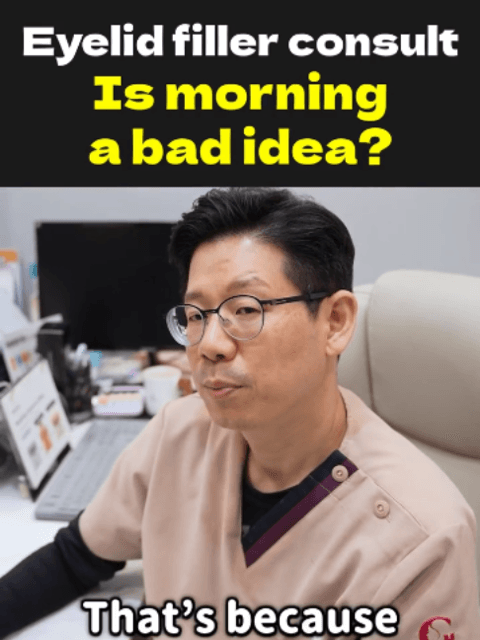
Is morning the best time for upper eyelid fillers? 🤔 Our doctor explains why the timing of your appointment can make a difference during your consultation. Watch until the end to learn why. ✨
@gnheraclinic_en

Can one thread lift improve both lifting and skin quality? 🤔 Our doctor explains how the key components of the Aptos Thread Lift work and what makes it different from traditional threads. Watch until the end to learn more. ✨
@gnheraclinic_en

Thinking about a thread lift? 🤔 Aptos is more than just a PDO thread. Our doctor explains what makes it different and why it's become a popular lifting option. Watch until the end to learn how it works. ✨
@gnheraclinic_en

Would you choose sedation for Ultherapy? 🤔 Our doctor shares why he personally wouldn't recommend it—even for his own family. Watch the full explanation before making your decision. ✨
@gnheraclinic_en
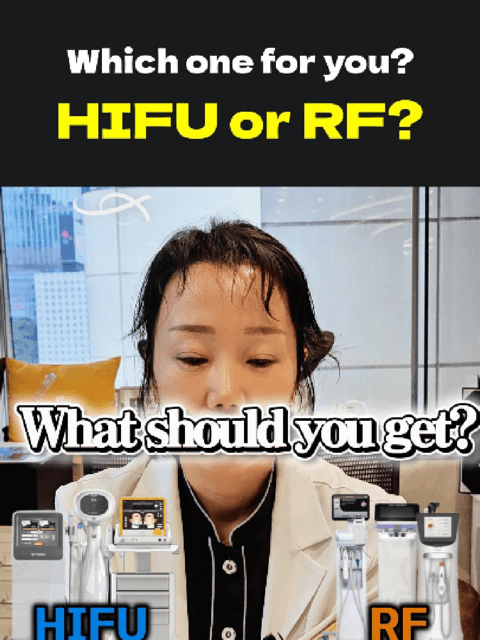
HIFU or RF — which one does your face actually need? They both lift your skin — but in completely different ways. Which one is right for your face? Explained by a Korean aesthetic doctor. Save this before getting a lifting treatment.
@gnheraclinic_en
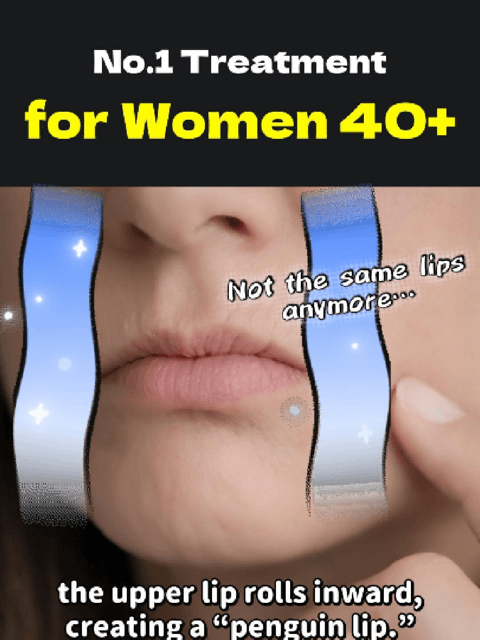
Noticing drooping mouth corners after 40? A small change can make a big difference. Lip filler + corner Botox ✔ Restore lip volume ✔ Lift the mouth corners ✔ Brighter smile 📍Gangnam HERA Clinic – Seoul Korea Follow @gnheraclinic_en
@gnheraclinic_en
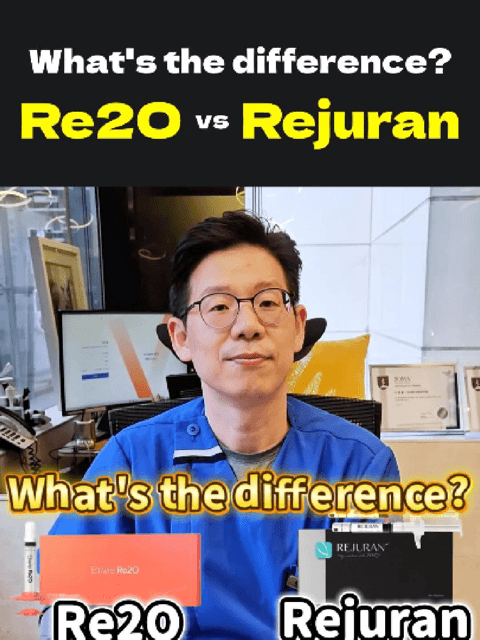
Re2O vs Rejuran Which skin booster is right for your skin? Korean aesthetic doctor explains the difference.
@gnheraclinic_en
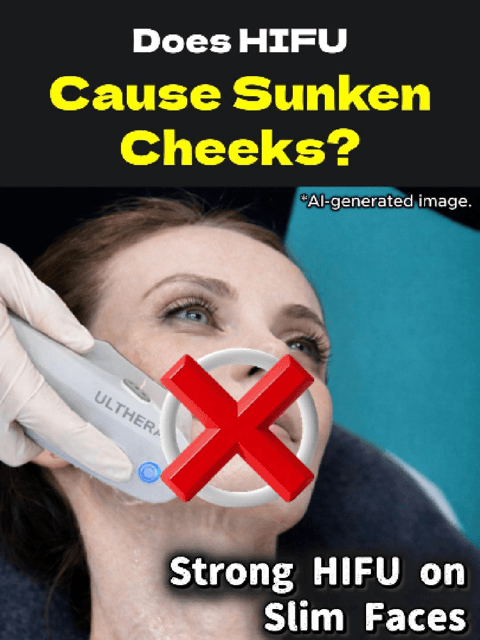
HIFU = Hollow Cheeks? Depends on your face type. Slim faces + strong HIFU can cause volume loss. Customized treatment is key.
@gnheraclinic_en

Jaw Botox mistake? Here’s why some faces look “peanut-shaped.” Placement matters. Save this before your next appointment.
@gnheraclinic_en
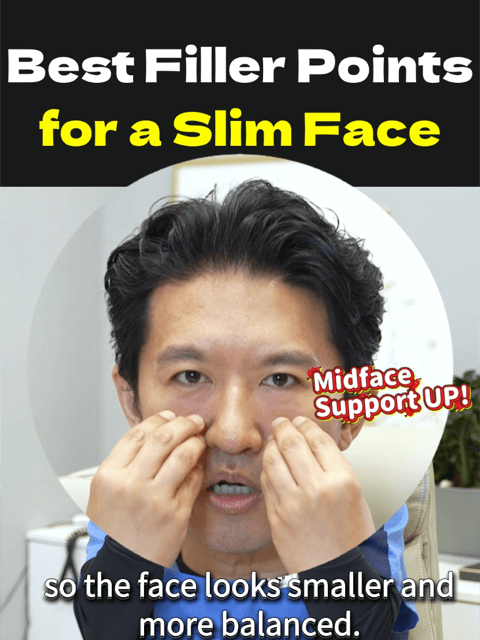
Want a smaller-looking face? It’s about placement. Save this.
@gnheraclinic_en
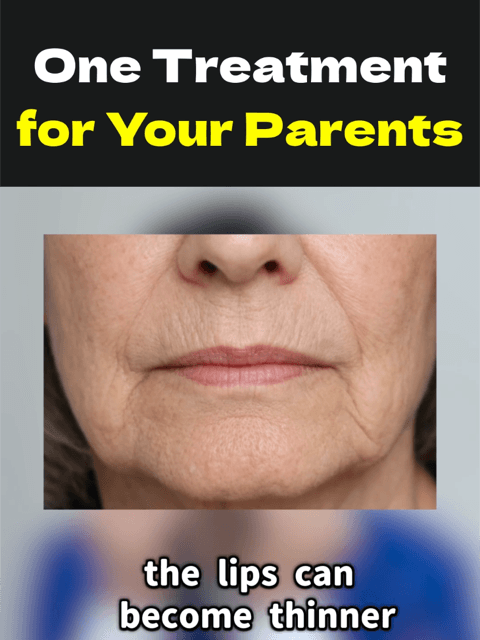
One treatment I’d recommend for parents? You might be surprised.
@gnheraclinic_en
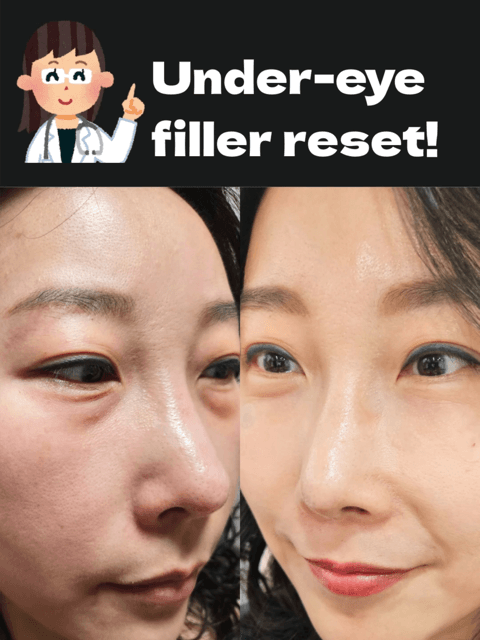
✨ Under-Eye Filler Correction & Re-Treatment ✨ Sometimes, filler isn’t about adding more — it’s about doing it properly and safely. In this case, the under-eye area required: ✔ Filler dissolving (hyaluronidase) ✔ Careful assessment of the depth and placement ✔ A natural re-treatment for a smoother result The tear trough is one of the most delicate areas of the face, so precision and experience truly matter. At Gangnam HERA Clinic in Seoul, we specialize in: 💎 Under-eye filler correction 💎 Tear trough rejuvenation 💎 Natural, balanced results (never overfilled) If you’re visiting Korea and looking for a trusted clinic in Gangnam, Seoul, we provide full English support for international patients. 📍Gangnam, Seoul 📩 DM us to book a consultation
@gnheraclinic_en
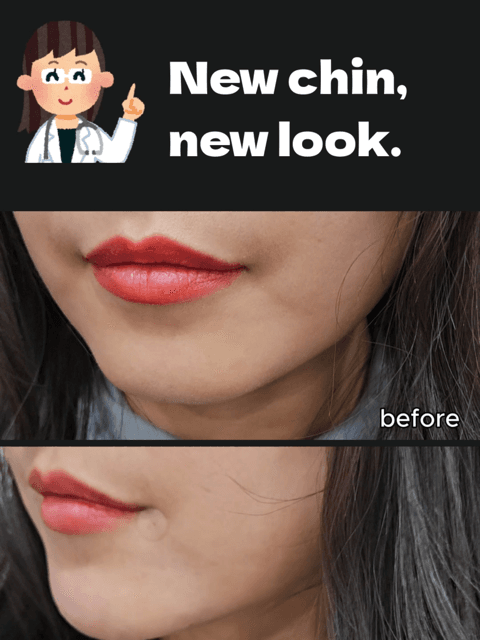
✨ Chin Filler for Facial Balance ✨ A small change can make a big difference — especially in your side profile. At Gangnam HERA Clinic in Seoul, chin filler is designed to: ✔ Improve facial harmony ✔ Enhance the jawline naturally ✔ Create a softer V-line effect ✔ Support a more defined profile (without surgery) Our treatments are doctor-performed, highly precise, and always tailored to your unique facial structure. If you’re looking for natural chin filler in Gangnam, Seoul, we offer full English support for international patients. 📍Gangnam, Seoul 📩 DM us for consultation & booking
@gnheraclinic_en
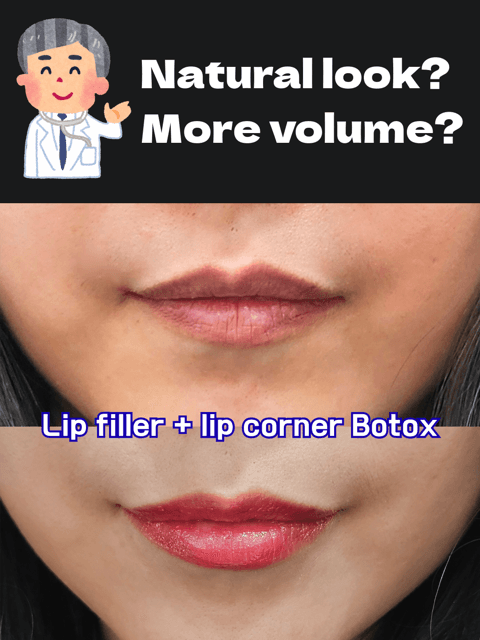
✨ Natural Lip Filler in Seoul (Gangnam) ✨ Subtle, balanced, and beautifully tailored to your facial features. At Gangnam HERA Clinic, our lip filler treatments focus on: 💗 Soft volume (not overdone) 💗 Better lip symmetry 💗 A more youthful, refreshed look 💗 Doctor-performed, precision-based results If you’re visiting Korea and looking for a trusted clinic in Gangnam, Seoul, we provide full English support for international patients. 📍Located in Gangnam, Seoul 📩 DM us to book your consultation
@gnheraclinic_en
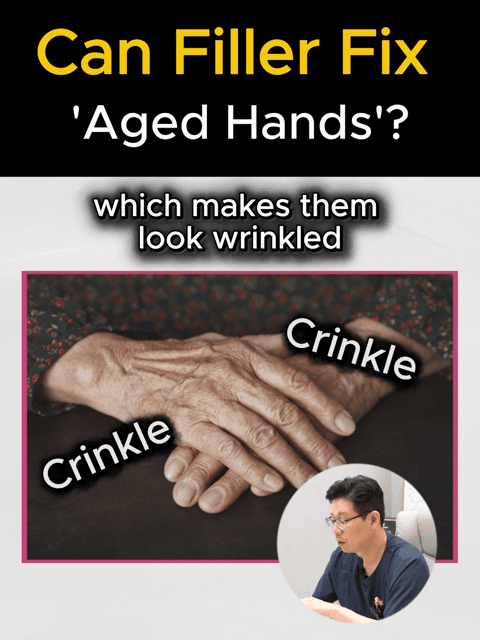
Restore Your Youth: The Magic of Hand Fillers ✨✋ Do you find yourself hiding your hands because of visible veins, tendons, or wrinkled skin? As we age, we lose volume in our hands, making them look older than we feel. But you don't have to let your hands give away your age! At Gangnam HERA, we provide a professional solution to restore that smooth, youthful look: ✅ Volume Restoration: Fills in hollow areas where fat has been lost. ✅ Vein & Tendon Camouflage : Softens the appearance of protruding vessels for a softer look. ✅ Smooth Texture : Deeply plumps the skin to reduce the "wrinkled" appearance. Experience an instant rejuvenation with natural-looking results. Let your hands match your youthful glow! 💎
@gnheraclinic_en
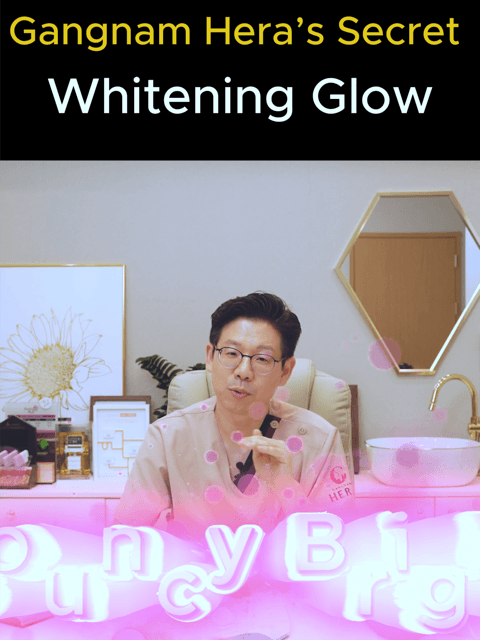
The Secret to "Soft Tofu" Skin? Only at Gangnam HERA! 🥛✨ Ever heard of the "Soft Tofu" Skin Booster? Just like the name suggests, it’s the ultimate secret to achieving a bouncy, bright, and milky-white complexion. The star ingredient is Glyju, a revolutionary booster made from Glyceollin (soybean-derived) ✅ Powerful Whitening: Blocks melanin synthesis for a clearer skin tone. ✅ Vascular Health: Promotes skin regeneration and healthy glow. ✅ Instant Hydration: Packed with Hyaluronic Acid to erase dryness. Why Gangnam HERA? 🤫 Glyju is amazing on its own, but we do it differently. At HERA, we combine it with an exclusive secondary treatment that boosts the results by 200%. This unique "Secret Formula" is available only at our clinic, giving you that signature whitening glow you can't find anywhere else. Ready for your Soft Tofu transformation? Experience the newest trend in Gangnam! 💎
@gnheraclinic_en
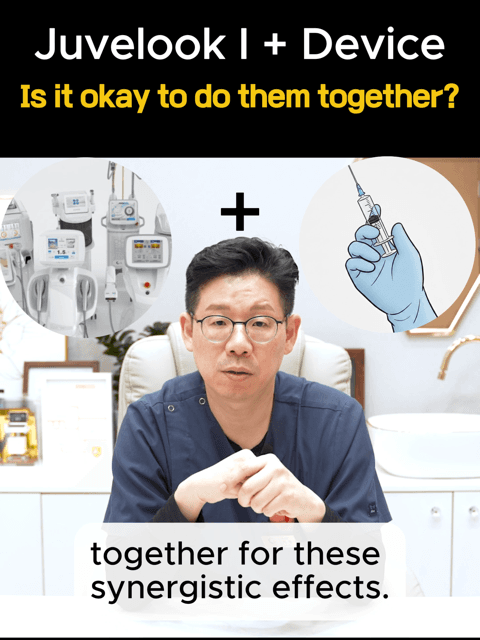
Juvelook I + EBD The Perfect Synergy 💉⚡️ Why combine Juvelook I with Energy-Based Devices (EBD)? Because they work better together! Juvelook I: Stimulates deep collagen production. EBD : Tightens skin tissue using thermal energy. At Gangnam HERA, we provide both to give you volume and lifting at the same time. 🕒 Already had Juvelook? We recommend a 2–3 week interval for absorption before starting your device treatment.
@gnheraclinic_en
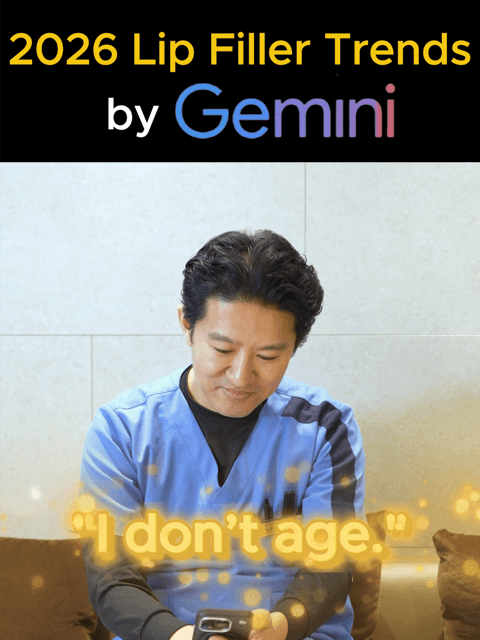
I asked AI (Gemini 3.0) about the future of lips, and the answer was clear: Be Yourself. ✨ 🎬 2026 Lip Trends (Quick Summary) 1️⃣ Beyond Volume 👄 Less is More! It’s all about a natural, healthy glow over fake volume. 2️⃣ Hybrid Care 💧 Filler + Skin Booster (Rejuran/Exosome). Shape with filler, hydrate with boosters. 3️⃣ Advanced Safety 🛡️ New materials, longer results, and fewer side effects. (P.S. I asked Gemini how old it is, and it said it doesn’t age... Must be nice! But for us humans, we have Gangnam HERA to keep us youthful! 😂) 📍 Visit us in Gangnam for your 2026 personalized lip design.
@gnheraclinic_en
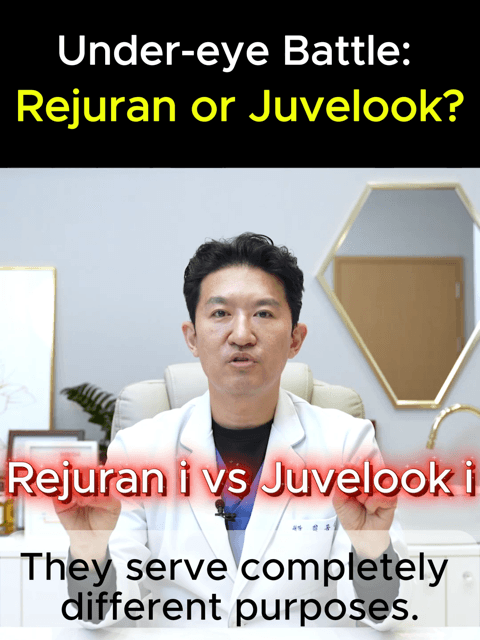
Stop guessing! Here is the REAL difference between Rejuran i and Juvelook i. 👇 ✅ Rejuran i Hydration & Glow. Perfect for fixing dry, "crepey" skin and adding that healthy inner radiance. ✅ Juvelook i Natural Volume. Perfect for filling hollow tear troughs by boosting your natural collagen. No bumps, just smooth skin. One heals the skin, the other fills the hollows. Which one is your concern? Tell us in the comments! 💬
@gnheraclinic_en
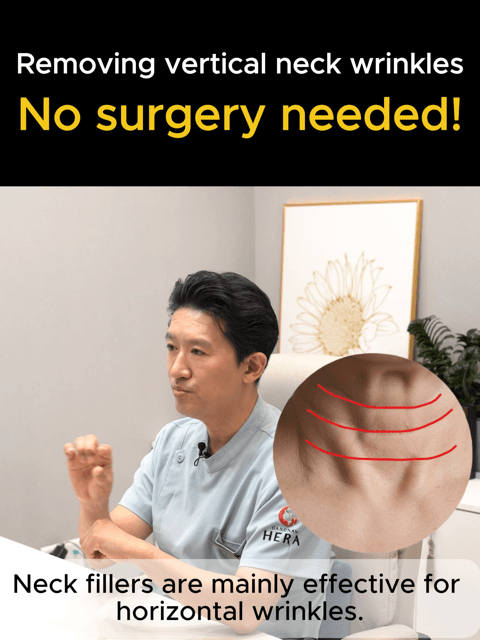
Say goodbye to vertical neck wrinkles—WITHOUT surgery! 🙅♀️✨ Vertical neck lines used to be the hardest to treat, often needing a surgical neck lift. But the trend has changed. Now introducing the CaHA Skin Booster treatment! 💉 By spreading diluted calcium filler evenly under the vertical folds, we stimulate your skin to regain its firmness and bounce naturally. Perfect for ✅ Loss of skin elasticity ✅ Deep vertical neck bands ✅ Those wanting surgical results without the downtime The future of neck rejuvenation is here at Gangnam HERA. 🤍
@gnheraclinic_en
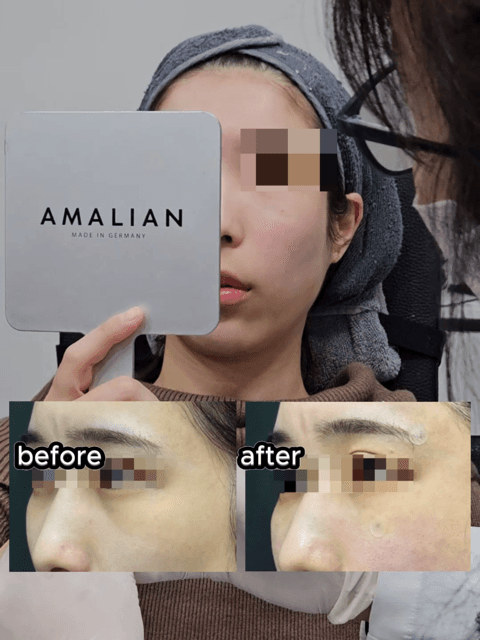
Even without lifting, your look can change this much. By adding only the necessary amount of filler to the temples, lateral cheeks, and chin, and combining chin Botox with Juvelook Eye, we refined the overall balance. Not to look unnaturally younger, but natural and smooth. This is a case that shows how much of a difference filler alone can make. 📩 For consultations and appointments, please contact us via DM or WhatsApp. * Results may vary by individual.
@gnheraclinic_en
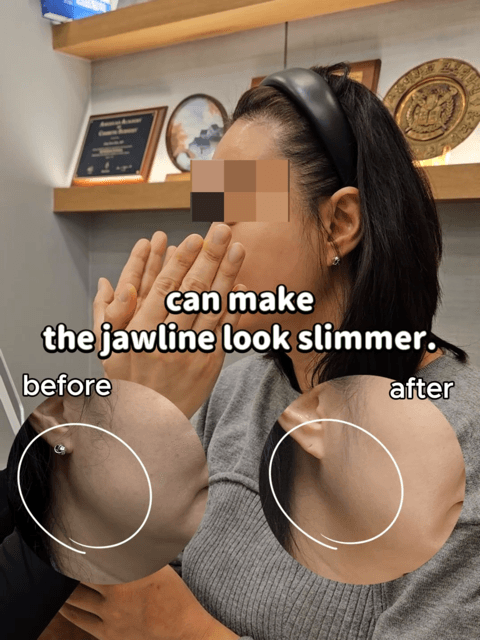
As we enter our 40s, many people start to notice: ✔️ Looser facial contours ✔️ A double chin ✔️ Deeper neck lines Improvement isn’t only about “lifting.” By reducing excess volume, refining the contours, and adding volume only where needed, the overall appearance can change significantly. This case combines: Ultherapy, fat-dissolving injections, Botox, and filler. Not to look unnaturally younger, but to look natural, clean, and refined. We offer facial contouring tailored for your 40s, with a balanced and thoughtful approach. For inquiries and appointments, please contact us via DM or WhatsApp.
@gnheraclinic_en

A special New Year message from the doctors at HERA. 💌 May your 2026 be as bright and glowing as the skin you’ve always dreamed of. We are so grateful to be part of your beauty journey. Stop the screen to reveal the blessing waiting for you! 🧧✨ Wishing you a year of overflowing happiness and health. Happy New Year! 🎊
@gnheraclinic_en
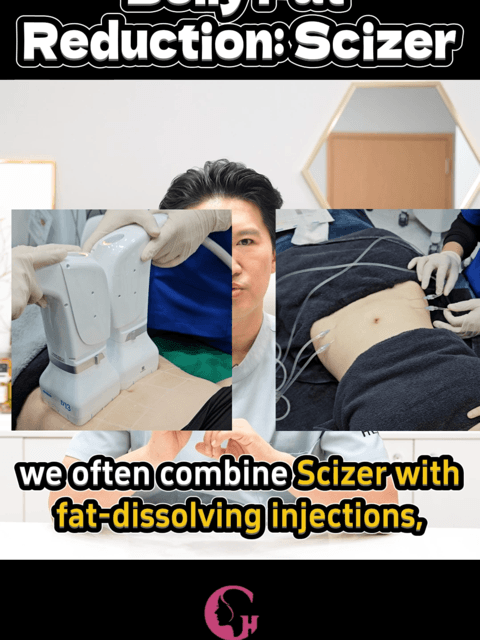
Body Ultherapy? 👀 Meet Sizer. 📢FDA-approved for belly fat reduction. Goes deeper. Works better. Sizer + fat-dissolving injections = 🔥
@gnheraclinic_en
On YouTube
Hear it from the doctors before you fly
Our doctors explain HERA's main treatments, lifting, filler and skin boosters, on camera, so you know who you are meeting and how they think before you land in Seoul.
Korean audio · auto-translated captions available on YouTube
16 videos
- 6:24Filler
Dr. Kim and Dr. Lee sort out how fillers, collagen injections and skin boosters differ, and which concern each one is for.

 Dr. Jong · Dr. Jong
- 7:36Clinic & doctors
HERA podcast ep. 3 — Dr. Kim and Dr. Lee look at the same face and explain the treatments they would choose, and why.
Dr. Jong · Dr. Jong - 8:07Lifting
What APTOS threads are, who they are recommended for, and a real patient's treatment and before-and-after.
Dr. Jong - 5:44Lifting
How APTOS compares with other lifting threads, what recovery is like and how long results last.
Dr. Jong · Dr. Jong - 4:20Filler
Dr. Kim shows how injection technique changes with the amount of filler, and how filler dissolves.
Dr. Jong - 5:50Filler
What a hollow upper eyelid is, filler vs fat grafting, how long it lasts and what to watch for.
Dr. Jong - 5:20Filler
Dr. Kim breaks down lip proportion, volume and mouth corners using well-known Korean celebrities' lips as examples.
Dr. Jong - 5:39Skin & boosters
Hydration, pores, breakouts or tone — matching the skin booster to what your skin actually needs.
Dr. Jong - 6:05Skin & boosters
Dr. Lee explains how Lituo and CaHA work, how they are injected and how often.
Dr. Jong - 5:00Skin & boosters
What Juvelook Eye is, what it is used for, how many sessions it takes and how long it lasts.
Dr. Jong - 5:56Lifting
Why lines form around the eyes, which treatments are combined, and Eye Thermage vs Eye Ulthera.
Dr. Jong - 4:58Lifting
Why Dr. Lee cares about lifting, and what he looks at first when he sees a patient.
Dr. Jong - 3:30Clinic & doctors
Dr. Han talks about what matters most in a consultation and the approach behind every treatment.
 Dr. Jin
- 5:29Skin & boosters
A tour of HERA's main devices and which skin concern — pores, texture or firmness — each one helps with.
Dr. Jong - 4:40Clinic & doctors
Three areas brides care about, recommended treatments, and what still works with a month to go.
Dr. Jong · Dr. Jong - 4:39Clinic & doctors
What an AI skin scan measures — wrinkles, pigment, firmness, pores — and why a doctor's consultation still matters.
Dr. Jong · Dr. Jong
Shorts
One question, under a minute
HERA TV
The doctors explain it on camera — then in writing
Each piece is written by the doctor from their own YouTube video: the patient question, why it happens and how we approach it.
 4:21ultherapy seoul
Thread Lift With Ultherapy or Titanium: A Combination Lift in Seoul
Dr. Jong Hoon Lee of Gangnam HERA explains HERA's two signature combination lifts — threads with Ultherapy, and threads with Titanium laser — what each part adds, who suits which, and how to time them before an event.
Dr. Jong Hoon Lee7 min read 5:56non surgical eye lift korea
Non-Surgical Eye Lift in Korea: Thermage, Ultherapy and Needle RF for Crepey Eyes
A Gangnam doctor explains why eye skin wrinkles so easily, why relaxing the muscle is only a temporary fix, and the three-device eye combination HERA uses to rebuild collagen and lift the eye area without surgery.
Dr. Jong Seon Kim7 min read 6:06eye ultherapy
Eye Ultherapy From the Patient's Chair: Dr. Jong Hoon Lee's Own Session
Dr. Jong Hoon Lee of Gangnam HERA lies down as the patient for eye-area Ultherapy and needle RF for crow's feet — what each depth is for, how it actually feels, why redness is a good sign and when the result appears.
Dr. Jong Hoon Lee7 min read
HERA Journal
Keep reading
 Lifting
Best Clinic for Ultherapy in Korea: What Actually Matters
The best clinic for Ultherapy in Korea is the one that uses genuine Ultherapy Prime, plans depth and lines for your face, has a doctor in charge and tells you when ultrasound lifting will not help. Dr. Jong Hoon Lee explains how to judge it.
7 minRead → Lifting
Where to Get Thermage in Korea: 6 Checks Before You Book
Choosing where to get Thermage in Korea comes down to a genuine FLX tip, an honest shot count, who holds the handpiece and a published price. Dr. Jin Yi Han walks through six checks to make before you book.
7 minRead → Lifting
Eye Thermage Cost in Korea: What Decides the Price
Eye Thermage cost in Korea comes down to the number of shots, whether you add the face, and what is included. Dr. Jong Hoon Lee explains each factor, what you should get for the price, and when it is not worth paying for.
7 minRead →
Visit us
Find Gangnam HERA
In Seocho-gu, Seoul, a three-minute walk from Gangnam Station Exit 9. Tap the map for directions.
Address
4F, 9 Seocho-daero 73-gil, Seocho-gu, Seoul, Republic of Korea
Opening Hours
Tuesday, Wednesday, and Thursday: 10:00 AM – 7:00 PM; Monday, Friday: 10:00 AM – 8:00 PM; Saturday: 10:00 AM – 5:00 PM; Lunch break: 1:00 PM – 2:00 PM; Closed on Sundays and public holidays