Rejuran Korean Skincare in a Jar vs Rejuran in a Syringe
 Dr. Jong Seon Kim · Director, Gangnam HERA8 min readLast updated
On this page
The surprising part for most visitors is that the Rejuran on Seoul drugstore shelves and the Rejuran a doctor injects are two separate product lines under one Korean brand. Both are built around polynucleotides (PN) from purified salmon DNA. A serum or cream works on the skin's surface; the injection places PN into the dermis with a fine needle. So a search for "Rejuran Korean skincare" really covers a cosmetics purchase and a medical treatment that happen to share a name.
If you're fitting this into a short trip, somewhere between a shopping afternoon and the flight home, the useful question is which of the two matches what you want to change. The terms below are grouped the way you'll meet them: on the box, in the consult room, and in the mirror over the following week.
The words on the box: PN, PDRN and "salmon"
PN, short for polynucleotides, are long chains of DNA fragments; in Rejuran's case they are purified from salmon. PDRN (polydeoxyribonucleotide) is a related molecule made of shorter fragments, and the two names often get used as if they meant the same thing.
- Polynucleotide (PN). The ingredient Rejuran is known for. A 2025 review in Pharmaceutics comparing PN and PDRN explains that chain length changes how the molecule behaves: PN's longer chains hold water and give a more gel-like quality in tissue, which is part of why PN is used for skin quality rather than volume.
- PDRN. The shorter-fragment cousin, studied mainly for tissue repair; a 2021 review in Pharmaceuticals summarises its research in impaired wound healing. A label that says "PDRN" isn't automatically describing Rejuran's PN.
- "Salmon injection." A nickname, not a description. It refers to where the DNA is sourced, and the material is purified before it goes into any product.
- Serum, ampoule, cream. Cosmetic formats sold over the counter. Their labels talk about hydration, soothing and barrier care.
Does a Rejuran serum do what the injection does?
No. A topical product is designed to act on the outer layers of skin, while the injection delivers PN into the dermis, which is where clinical studies of injectable polynucleotides look for changes in texture, elasticity and hydration.
Part of the reason is size. A widely cited paper in Experimental Dermatology (Bos and Meinardi, 2000) proposed the "500 Dalton rule": compounds much larger than about 500 daltons pass poorly through healthy, intact skin. Polynucleotide chains are far larger than that.
That doesn't make the serum pointless. A well-made one can hydrate and calm skin the way a good moisturiser does. It means the jar and the syringe are different tools, not a weak and a strong version of the same thing.
| Rejuran serum or cream | Rejuran injection | |
|---|---|---|
| Where it works | Surface and upper skin layers | Dermis, placed by needle |
| Who applies it | You, at home | A doctor, in a clinic |
| Typical use | Daily, as part of a routine | Sessions spaced weeks apart, planned by the doctor |
| What to expect | Hydration and comfort | Gradual change in texture and fine lines, varies by person |
| Marks afterward | None | Small bumps, possible redness or bruising |
Worth knowing
Buying the cosmetic line in Seoul needs no consultation. The injection is a medical procedure, and the doctor decides whether it's appropriate for your skin.
What do HB, I and "Healer" mean on a Rejuran menu?
HB, I and Healer are names for versions of the injectable. HERA's Rejuran treatment page lists three: Rejuran, Rejuran HB and Rejuran I. The version is chosen for the area and the concern, not for the name.
- Rejuran (often searched as "Rejuran Healer"). The original PN injectable, used across the face for texture, fine lines and dullness.
- Rejuran HB. Commonly described as PN combined with hyaluronic acid and a local anaesthetic, which makes the injections feel smoother for many people.
- Rejuran I. Made for the thin skin around the eyes, where fine crepey lines show first.
- Rejuran S. A name that comes up in searches, usually linked with scars. It isn't among the versions on HERA's treatment page.
- Skin booster. The umbrella term for injectables aimed at skin quality rather than volume. On HERA's menu, Rejuran sits next to Juvelook, a PDLLA collagen-stimulating booster, and Potenza Exosome, which pairs RF microneedling with an exosome booster.
The choice depends on what the doctor sees in person. Thin under-eye skin with vessels close to the surface carries more bruising risk and calls for a different version and technique from the cheeks. Enlarged pores with uneven texture may point toward microneedling instead of, or alongside, an injection. Hollowness that comes from lost volume isn't something PN corrects; that is a filler question. For a longer look at how polynucleotides behave in the skin, see our polynucleotide skin booster guide.
Who should get the injection, and who should wait?
The injection is generally considered for adults who want better texture, hydration or fine-line quality and can accept a few days of small marks. It is not a lift and not a volume treatment, so sagging jowls or deep hollows need a different plan.
It tends to fit people who:
- notice dull, rough or dehydrated-looking skin that a home routine hasn't changed;
- have fine lines or crepey texture, including around the eyes (the I version);
- want a change in skin quality rather than in face shape.
It's usually postponed or reconsidered if you:
- have a known allergy to fish or salmon-derived products, or to any component of the product;
- have an active infection, cold sore or acne flare where the injections would go;
- are pregnant or breastfeeding, because data in these groups are limited;
- take blood thinners, which raise the chance of bruising, or have an autoimmune condition, both of which need discussion with the doctor first;
- have an event, photos or a flight within the next couple of days.
On the evidence: a 2025 systematic review of polynucleotides in esthetic medicine, published in the Journal of Cosmetic Dermatology, found encouraging results for skin quality but noted that most studies were small and called for larger controlled trials. Promising and still being studied is a fair summary of where PN stands. If pitted scarring is your main concern, our acne scar treatment guide covers options aimed at scars more directly. If uneven tone is the issue, the skin whitening guide explains what clinics can and can't do for pigmentation.
Book a consultation
Send us your question or a photo on WhatsApp and we will reply in English.
What one visit involves
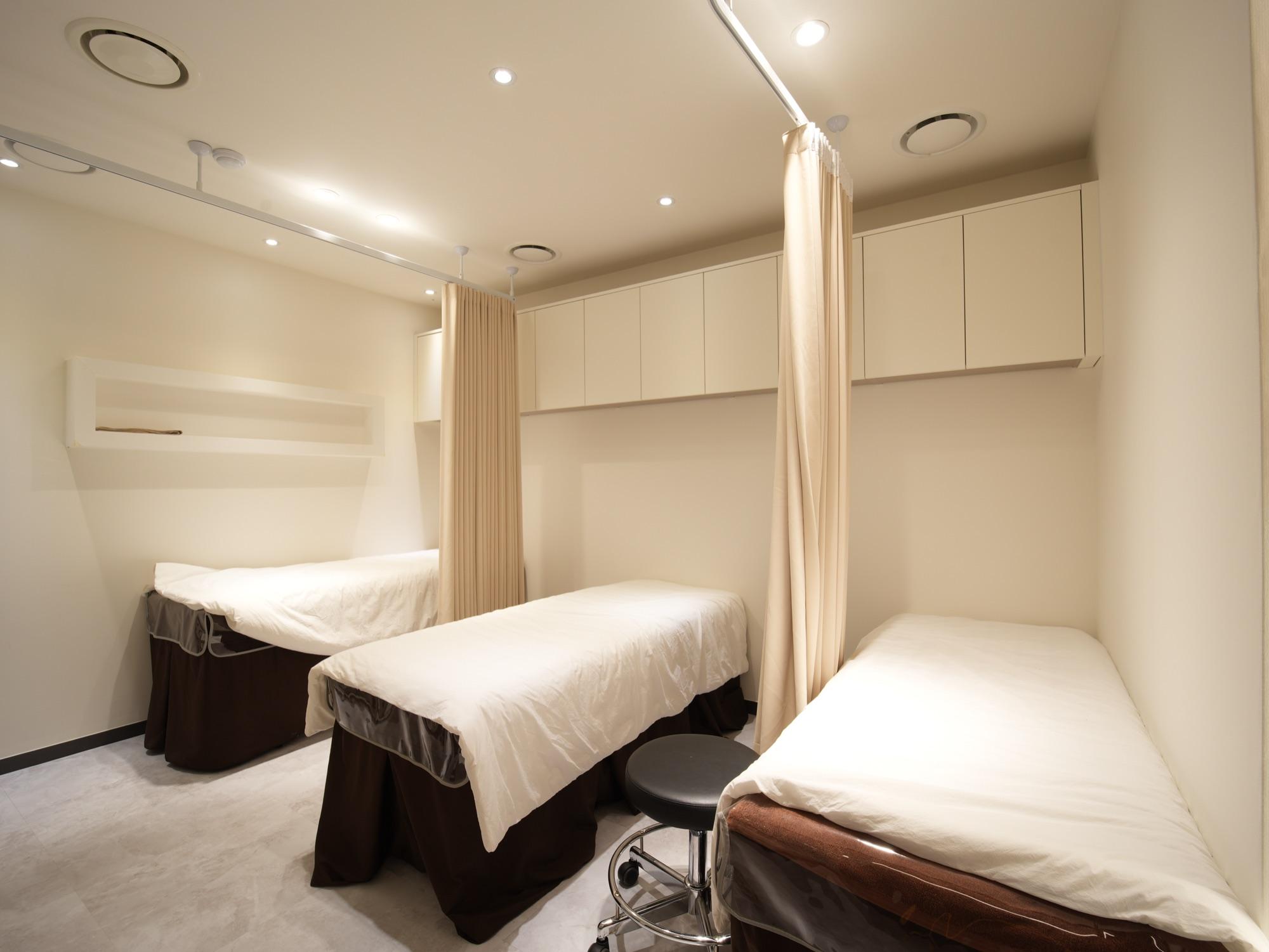
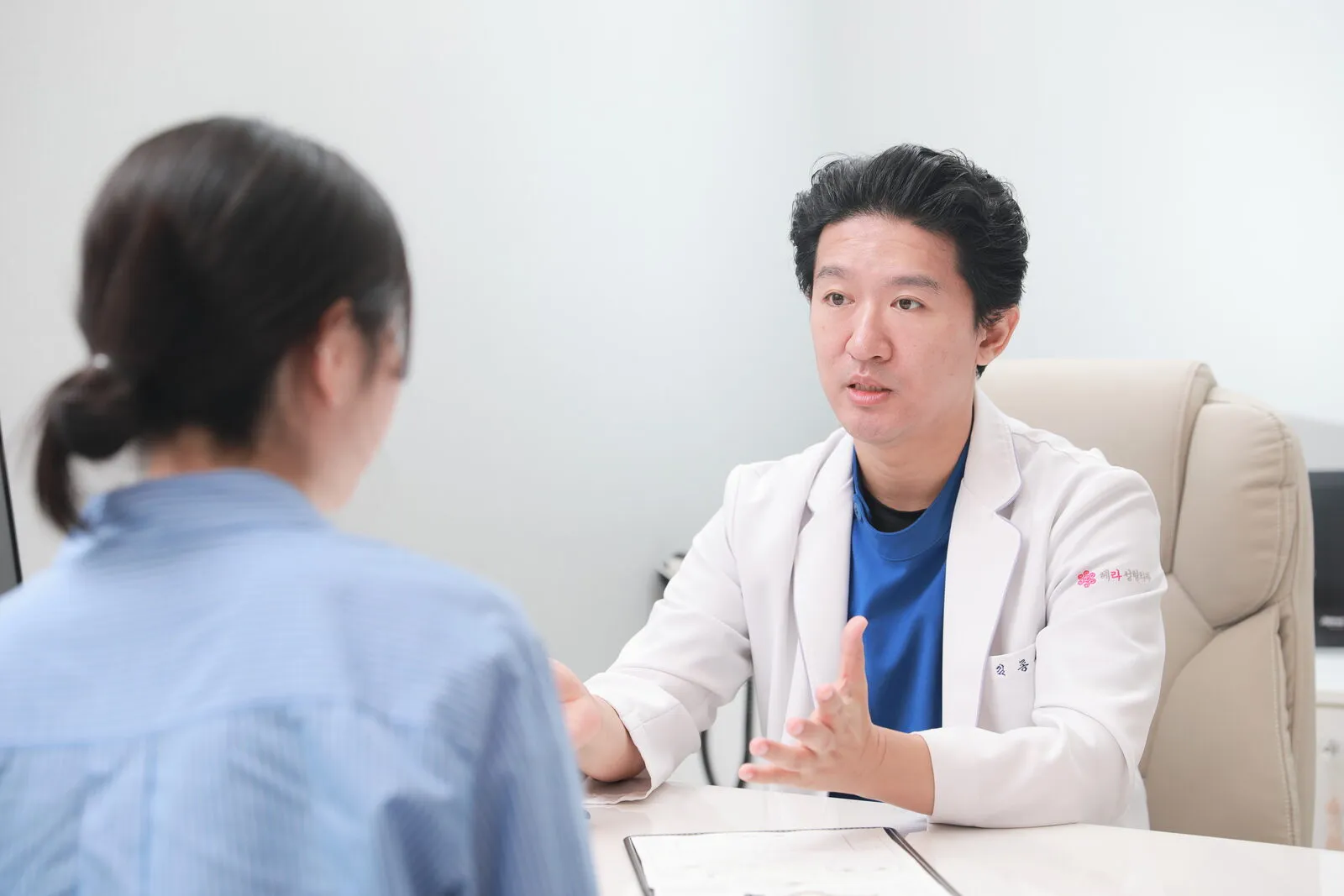
A visit covers a consultation with the doctor, the injection itself and aftercare instructions. HERA's site describes consultation and treatment in a single visit, which matters when you only have a few days in Seoul, and consultations run with an English interpreter.
- Consultation. You describe what bothers you, the doctor examines the skin in person, and the interpreter makes sure questions in both directions are understood. The version and the number of injection points are decided here.
- Preparation. The skin is cleansed. A topical numbing cream is commonly applied before skin booster injections, since the many small injections sting.
- Injection. PN is placed in tiny amounts across the treated area, which is why you leave with a pattern of small bumps.
- Aftercare. You get instructions for the next few days: what to avoid, and which signs are a reason to get in touch.
According to HERA's site, every treatment is planned and performed by the clinic's doctors, and single-use needles and sterilized instruments are used for every patient. At any clinic, it's reasonable to ask to see the product box and its label before it's opened.
Side effects and recovery: what's normal after the injection?
Small raised bumps at the injection points are expected and usually flatten within a day or so. Mild redness can last a little longer, and a bruise, if one appears, may take about a week to fade. How quickly each settles varies from person to person.
- Same day. Bumps and pinpoint marks across the treated area. Common advice is to skip makeup, sauna, alcohol and hard workouts for the rest of the day.
- Around day 3. Most bumps have flattened. Some people still have faint redness or a small bruise, which makeup can usually cover by now.
- Around day 7. Any bruise is usually fading. Changes in texture, if they come, build gradually over the following weeks rather than overnight.
Less common are swelling that lasts several days and small lumps you can feel under the skin. Rarely, infection or an allergic reaction can occur. Increasing pain, heat, spreading redness or pus are reasons to contact the clinic or see a doctor promptly, wherever you are.
Before your flight
Avoid booking the injection for the day before you fly home. Plan it early in the trip, so that if a bruise or a reaction appears, you're still in Seoul and close to the doctor who treated you.
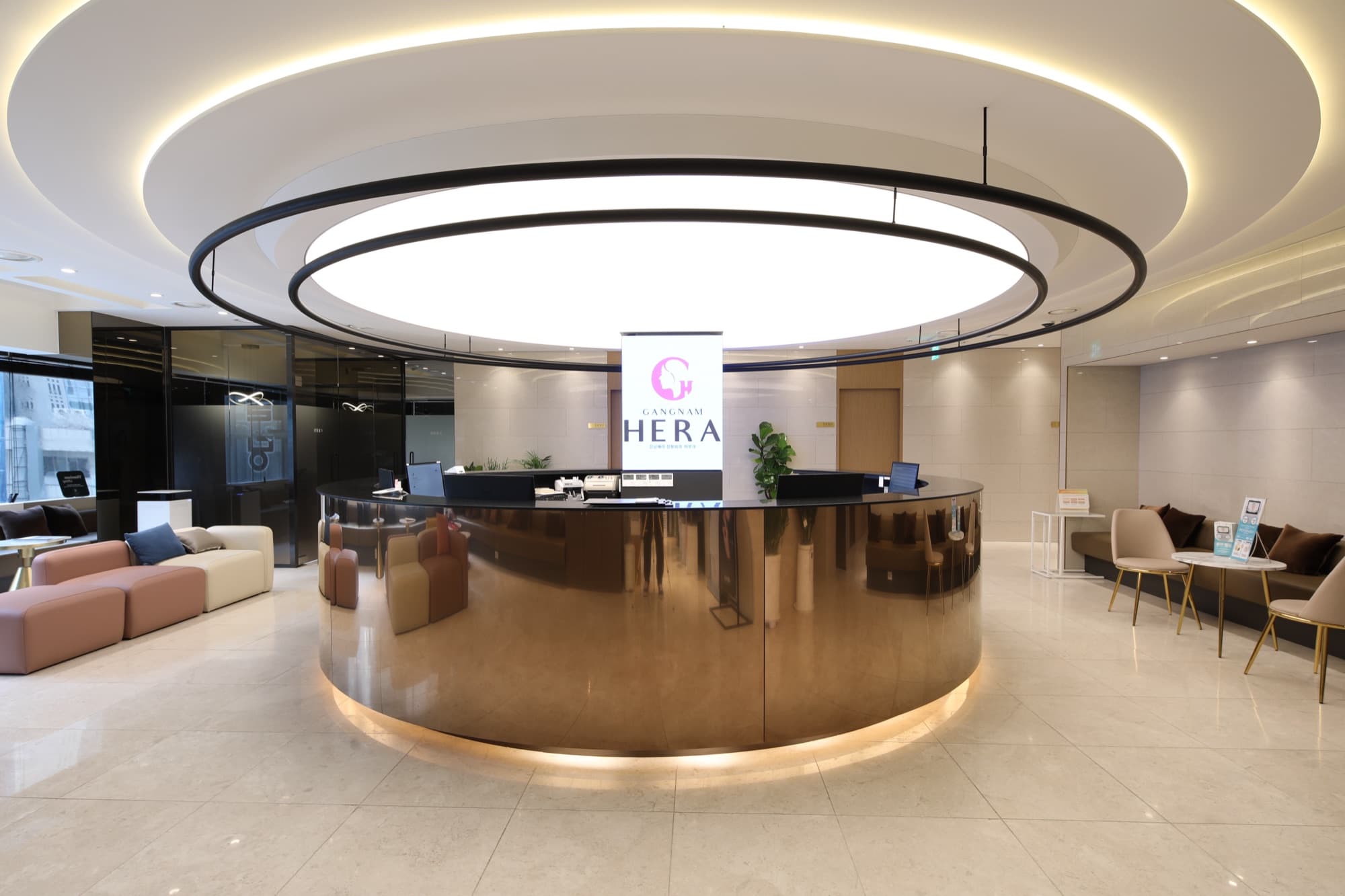
Visiting HERA in Gangnam
Gangnam HERA is at 4F, 9 Seocho-daero 73-gil, Seocho-gu, Seoul, about 3 minutes from Gangnam Station. Hours are Monday and Friday 10:00–20:00, Tuesday to Thursday 10:00–19:00 and Saturday 10:00–17:00, with a lunch break from 13:00 to 14:00. The clinic is closed on Sundays and public holidays.
The clinic is registered with Korea's Ministry of Health and Welfare as a Foreign Patient Attraction Medical Institution, and its medical team is three plastic surgeons. I'm Dr. Jong Seon Kim, the director, a board member of the Korean Society of Aesthetic Surgery (KSAS) and of the International Petit Medical Society. The Gangnam HERA home page lists the full treatment menu.
If you can't tell whether your concern is a jar problem or a syringe problem, send one daylight photo of the area, without makeup, on WhatsApp with a line about what bothers you. The doctor reviews it; the final plan is made in person. If the answer is the serum on your shopping list, that's a good outcome too.
FAQ
Frequently asked questions
Q1Is Rejuran a Korean brand?
Yes. Rejuran is a Korean brand, and in Seoul you'll find both its cosmetic line in shops and its injectable versions in clinics. The two share the PN ingredient family but are different products used in different ways.Q2Can I go sightseeing after a Rejuran injection?
Usually, yes. The small bumps are visible for about a day, so many people choose a low-key afternoon. Skip sauna, alcohol and hard workouts on the day itself.Q3How many Rejuran sessions do I need?
Injectable PN is commonly planned as a short series spaced a few weeks apart, and the doctor sets the number after examining your skin. A single session during one trip is possible, but changes from one session may be modest and vary by person.Q4Does a Rejuran injection hurt?
Most people describe it as stinging rather than painful. A topical numbing cream is commonly used first, and Rejuran HB is commonly described as containing a local anaesthetic. The thin skin around the eyes tends to feel more sensitive.Q5Will I see a change before I fly home?
Probably not much in the first few days. What you'll mostly see early on is the bumps settling. Changes in texture, if they come, build gradually over the following weeks, and results vary between individuals.
เรื่องจริงจากผู้ป่วย
เสียงจากผู้ป่วยของเรา
วิดีโอที่ผู้ป่วยจากต่างประเทศโพสต์ไว้




บน YouTube
ฟังจากแพทย์ก่อนเดินทาง
แพทย์ของเราอธิบายทรีตเมนต์หลักของ HERA ได้แก่ ยกกระชับ ฟิลเลอร์ และสกินบูสเตอร์ ผ่านวิดีโอ เพื่อให้คุณรู้ว่าจะได้พบใครและแพทย์คิดอย่างไร ก่อนที่คุณจะเดินทางถึงโซล
เสียงภาษาเกาหลี · มีคำบรรยายแปลอัตโนมัติบน YouTube
- 6:24ฟิลเลอร์

 Dr. Jong · Dr. Jong
- 7:36คลินิกและแพทย์Dr. Jong · Dr. Jong
- 8:07ยกกระชับDr. Jong
- 5:44ยกกระชับDr. Jong · Dr. Jong
Shorts
คำถามเดียว ไม่ถึงหนึ่งนาที
HERA TV
The doctors explain it on camera — then in writing
Each piece is written by the doctor from their own YouTube video: the patient question, why it happens and how we approach it.
 6:24korean plla filler
Korean PLLA Filler? Filler vs Collagen Booster vs Skin Booster
Dr. Jong Seon Kim7 min read 4:21neck line filler
Neck Line Filler: One Treatment, Start to Follow-Up
 Dr. Jin Yi Han6 min read
 5:39korean skin booster
Korean Skin Booster: How to Choose by Your Skin's Main Problem
Dr. Jong Seon Kim7 min read
HERA Journal
Keep reading
 Skin boosters
How Long Does Rejuran Take? Chair Time, Bumps and Trip Days
A Rejuran visit usually takes half a day at most, and the small injection bumps typically flatten within one to three days. The full course takes longer: sessions are spaced two to four weeks apart.
8 minRead →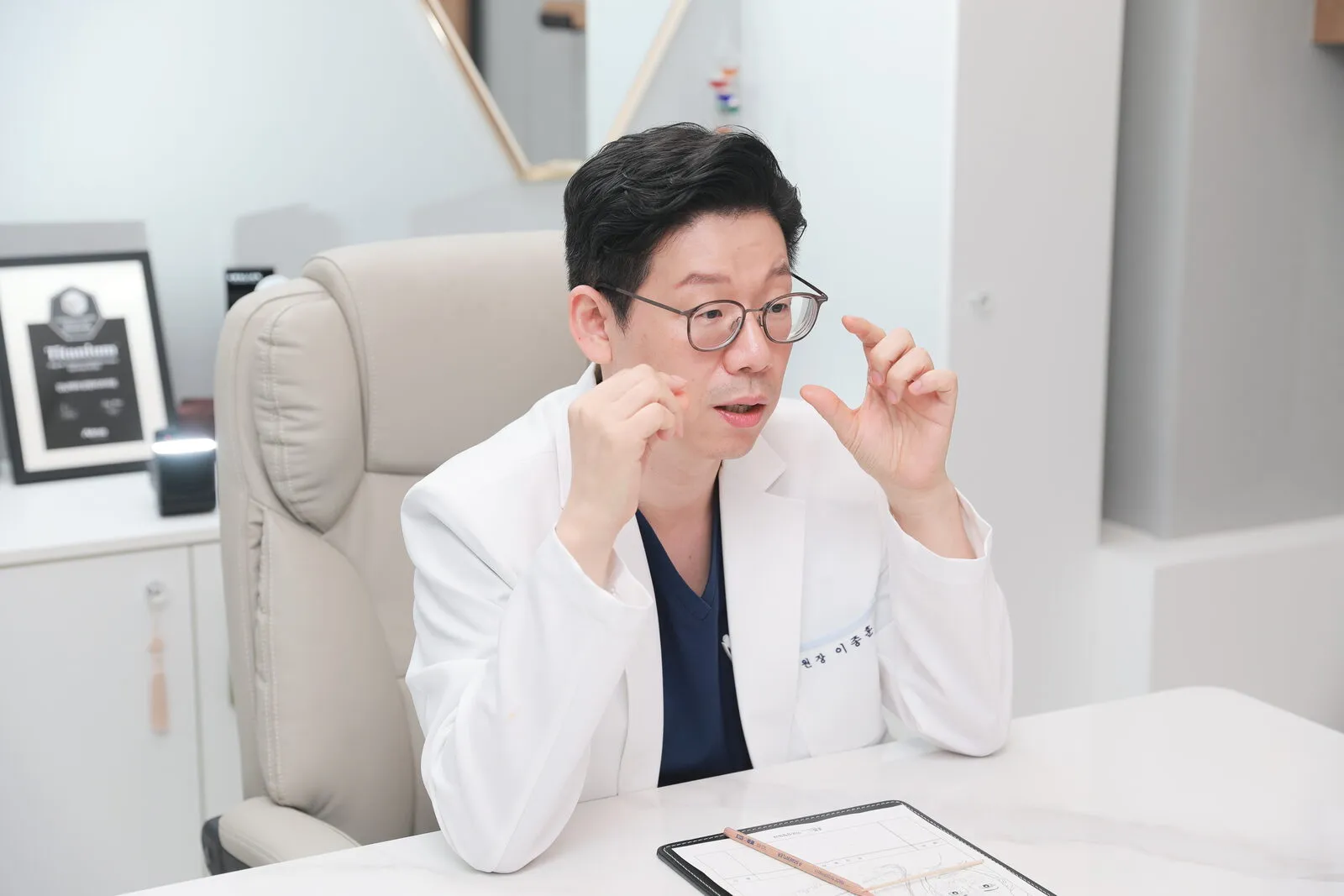 Skin boosters
When Does Rejuran Start to Show? Bumps, Weeks and Your Flight
Rejuran's injection bumps usually settle in a day or two and hydration often shows within weeks, while texture changes build over a course. Dr. Jong Seon Kim on which day of your Seoul stay to book it.
8 minRead →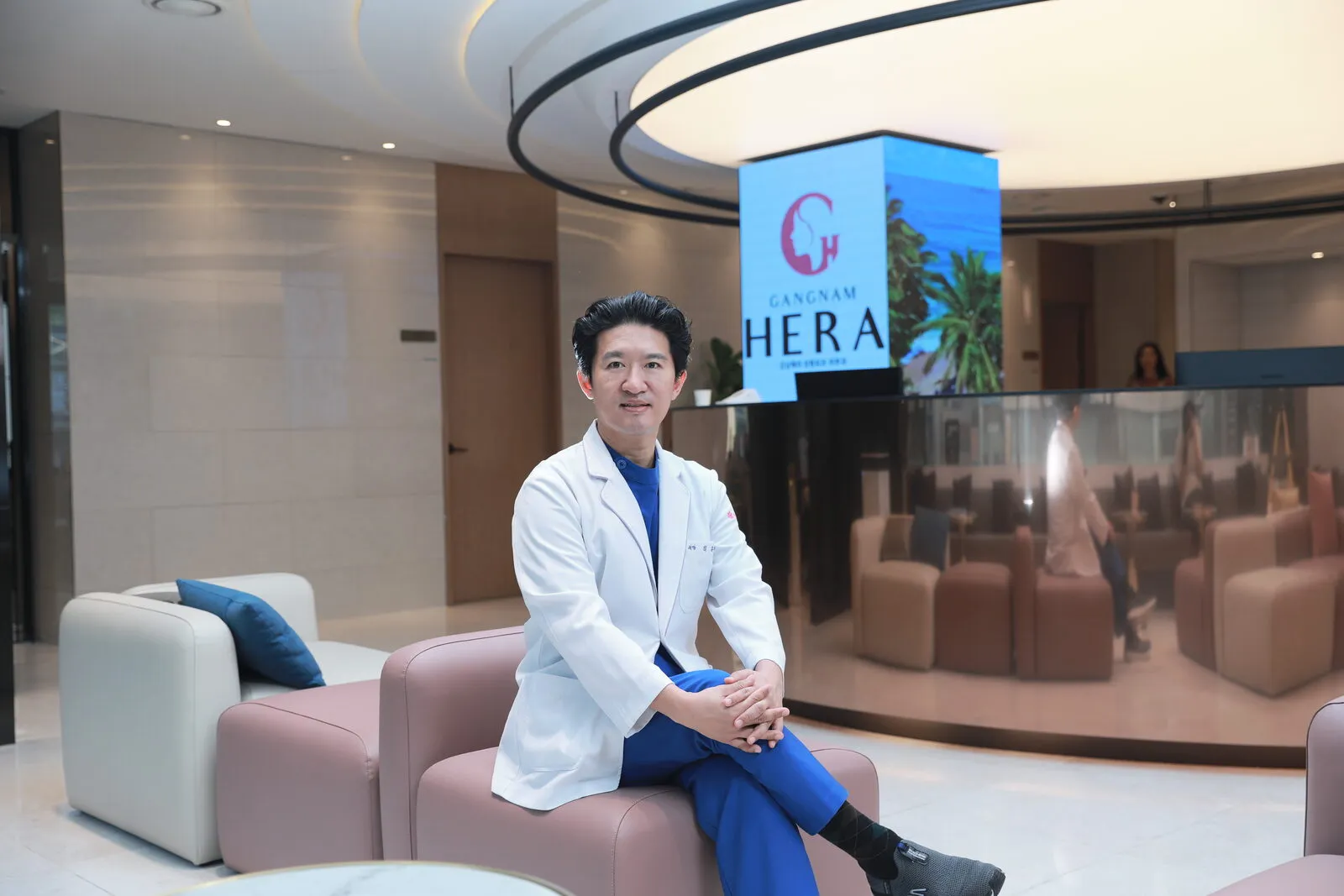 Skin boosters
How Long Does Rejuran Last? Months, Sessions and Trip Days
After a course of about three sessions spaced weeks apart, Rejuran's effect commonly holds for six months to a year. The bumps settle in one to three days, so session spacing shapes your trip more than downtime.
8 minRead →
มาหาเรา
ที่ตั้ง Gangnam HERA
ในเขตซอโช โซล เดิน 3 นาทีจากสถานีคังนัม ทางออก 9 แตะแผนที่เพื่อดูเส้นทาง
ที่อยู่
4F, 9 Seocho-daero 73-gil, Seocho-gu, Seoul, Republic of Korea
เวลาทำการ
วันอังคาร พุธ และพฤหัสบดี: 10:00 – 19:00 น.; วันจันทร์ ศุกร์: 10:00 – 20:00 น.; วันเสาร์: 10:00 – 17:00 น.; พักกลางวัน: 13:00 – 14:00 น.; ปิดวันอาทิตย์และวันหยุดนักขัตฤกษ์