"PDRN Cream Fixes Dryness"? PDRN for Dry Skin in Korea
 Dr. Jong Seon Kim · Director, Gangnam HERA7 min read
On this page
The best pdrn in korea for dry skin is rarely the serum with the biggest PDRN number on its label. PDRN skincare mostly hydrates the surface, while an injected polynucleotide booster such as Rejuran places the material in the dermis, and that is a medical decision made after someone examines your skin. If you're fitting this into a short trip to Seoul, the worry is usually practical: will the little injection bumps still show when you board the flight home?
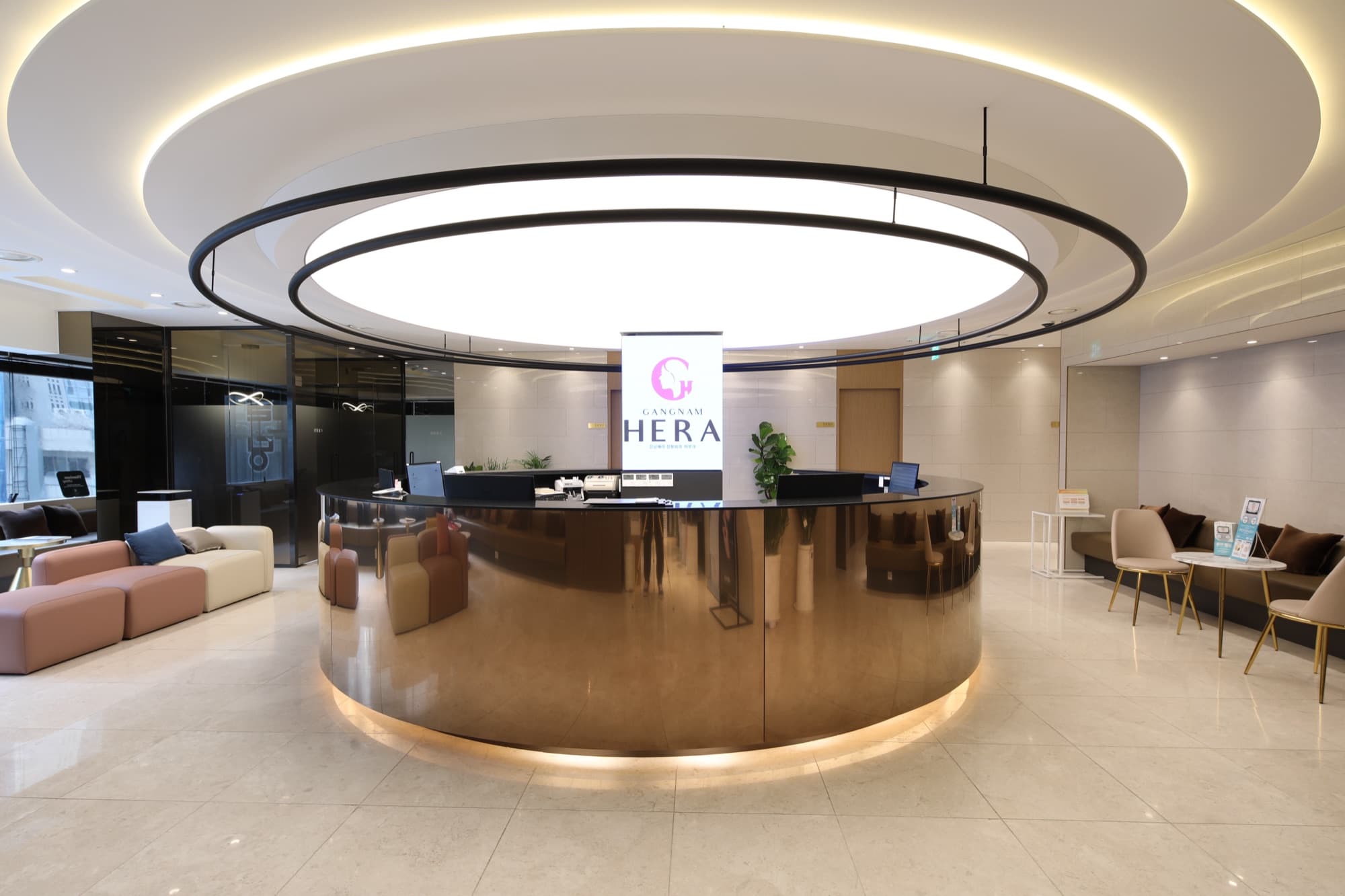
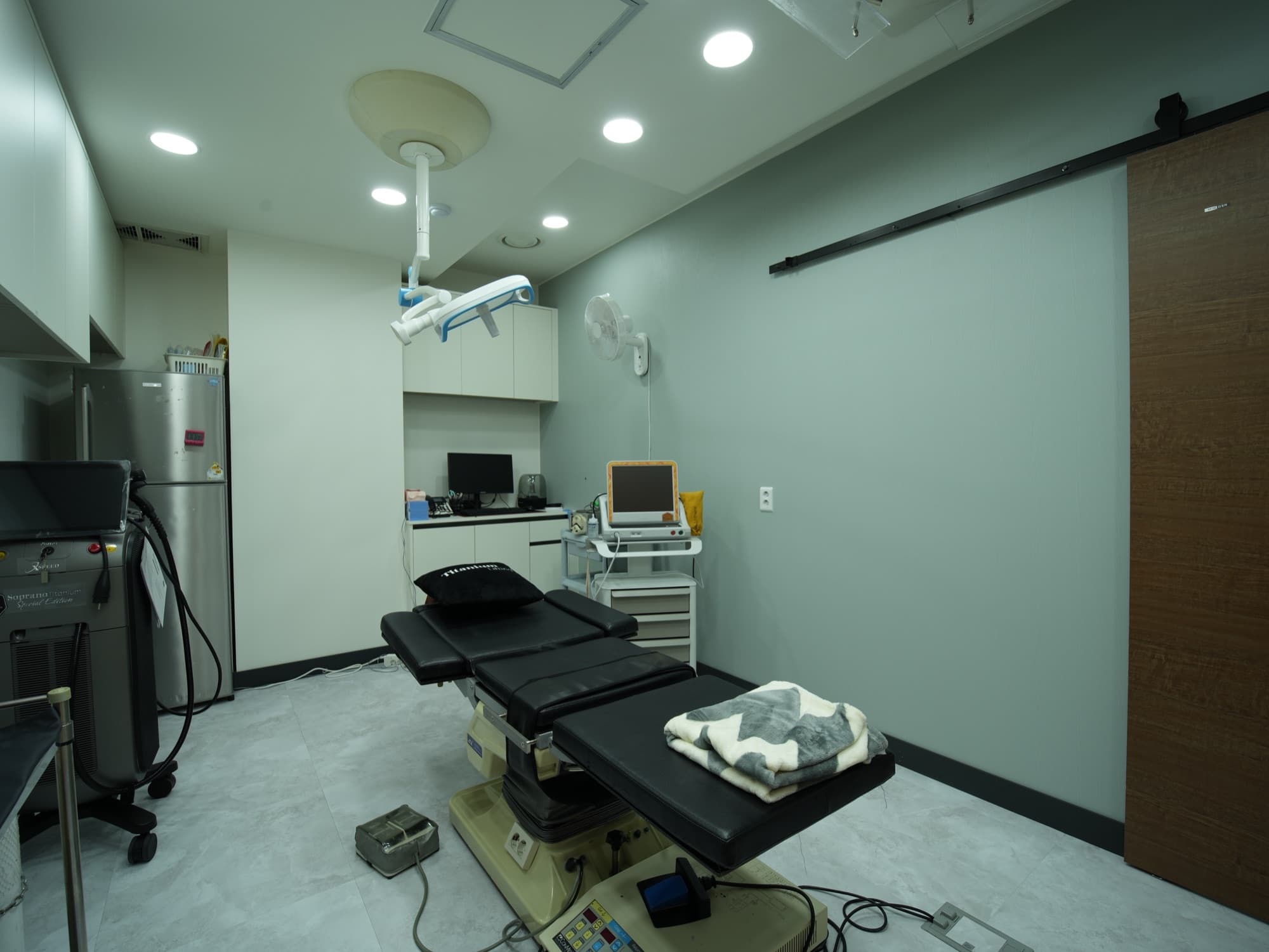
At HERA in Gangnam, a booster plan starts with an EVE V MUSE AI skin scan that reads more than 40 skin indicators, and the sealed vial is opened in front of you before the specialist who consulted with you performs the treatment.
Korean pharmacies and beauty shops stock rows of PDRN ampoules, creams and sheet masks, and many of them feel pleasant on a dry face. What a shelf product can't easily do is carry large DNA fragments past the outer layer of skin, which is why the clinic version exists at all. Product reviews tend to skip the parts below: what the injection does, who it suits, how to vet the clinic, and how to time the bumps around a flight.
If your dates are roughly set, send them on WhatsApp along with the one question holding you back, whether that's the bumps, the flight or a fish allergy.
Book a consultation
Send us your question or a photo on WhatsApp and we will reply in English.
What does PDRN actually do for dry skin?
On the skin's surface, PDRN behaves mainly like a hydrating ingredient. Injected into the dermis, polynucleotides are studied for supporting tissue repair, hydration and elasticity, with changes that build gradually over weeks.
The gap between those two comes down to size. The 500 Dalton rule, described in Experimental Dermatology in 2000, explains why molecules above roughly 500 daltons pass through the outer skin layer poorly. DNA fragments are much larger than that, so the PDRN in a cream largely stays on top, where it can still help the skin hold water.
PDRN and PN are related but not identical. PDRN is made of shorter DNA fragments, while PN (polynucleotide) uses longer chains that form a thicker gel; a 2025 review in Pharmaceutics compares how the two behave in skin. HERA's menu lists Rejuran, Rejuran HB and Rejuran I, polynucleotide boosters made from purified salmon DNA, so on this clinic's menu the injected answer to a PDRN question is Rejuran in one of those forms.
| Question | PDRN skincare (shops, pharmacies) | Injected polynucleotide (clinic) |
|---|---|---|
| Where it works | Surface layers | Dermis |
| Who decides | You | A doctor, after an exam |
| Downtime | None | Small bumps, some redness |
| Suits | Daily tightness, flaking | Thin, dull, crinkly dry skin that creams haven't changed |
Who an injected booster suits, and who should stick with skincare
An injected polynucleotide booster tends to fit dry skin that also looks thin, dull or finely crinkled even with a sensible routine. If your skin only feels tight after washing and flakes by afternoon, the routine usually deserves attention before any needle does.
For that second group, the searches about Korean face washes and exfoliators for dry skin matter more than the PDRN ones. A low-foaming cleanser, exfoliating less often, and moisturizer applied to slightly damp skin often change more than a new ampoule. Over-exfoliating is a common reason a dry face stays rough.
The same menu has other options for dry skin. Aqua Glow Injection delivers hyaluronic acid into the skin for deep moisture, and Juvelook is a PDLLA collagen-stimulating booster aimed at texture and firmness. If dry patches come with uneven tone, our guide to skin whitening in Korea covers that side. If fine pores and an oily T-zone are part of the picture, see what skin wrinkle-relaxing injection changes and what it doesn't.
What a booster visit at a Korean clinic includes
A booster visit usually covers a consultation, a skin assessment, the injections and aftercare instructions. At HERA, the assessment is an EVE V MUSE scan that takes under a minute and places your skin in one of 16 Baumann skin types, a system whose four axes include dry versus oily.
- A consultation with an English interpreter, where you describe what your skin does through the day.
- The AI skin scan: five 16-megapixel structured-light cameras and more than 40 skin indicators.
- A consultation in which a dermatologist and a plastic surgeon see you together.
- The injections, performed by the specialist who consulted with you, from a sealed vial opened in front of you.
- Aftercare guidance for the rest of your stay in Seoul.
Polynucleotide boosters are often given as a series spaced weeks apart, which matters if you live abroad. A single session on one trip is possible; whether a series makes sense, and how to spread it across trips, is something to settle in the consultation.
How do you check a Korean clinic before it injects your face?
Star ratings on a product page answer none of them.
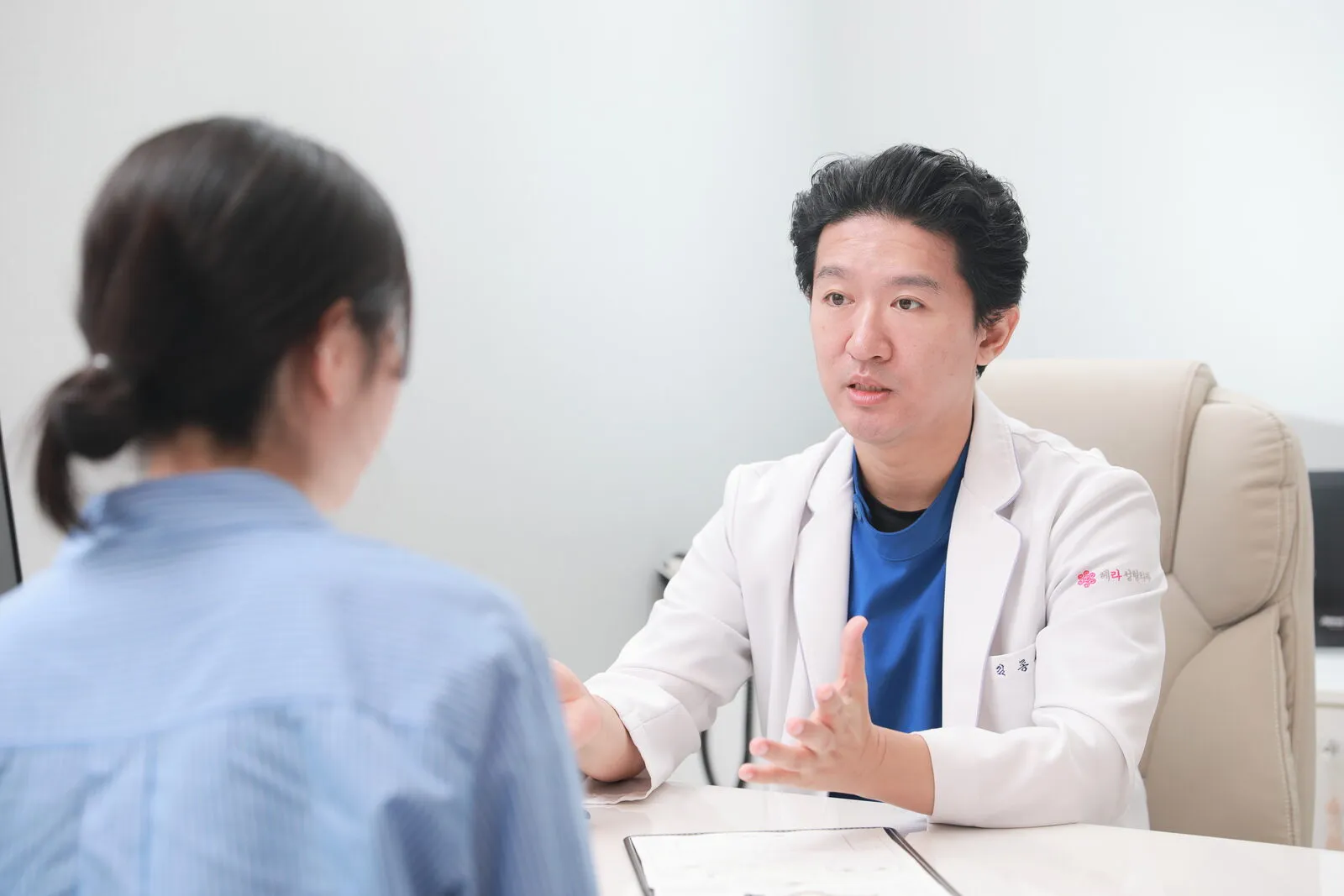
- Who holds the needle. Ask whether the doctor you consult is the one who injects. At HERA, the specialist who consults with you performs the treatment personally; it isn't handed to someone else.
- What's in the vial. Ask to see the sealed vial opened in front of you. HERA uses genuine, approved products opened that way, with strict sterilization and single-use disposables.
- Registration. Korea's Ministry of Health and Welfare registers medical institutions that treat foreign patients, and HERA is one of them.
- Credentials you can look up. Dr. Jong Seon Kim is a Board Member of the International Petit Medical Society and a Full Member of the American Society for Aesthetic Plastic Surgery. Dr. Jong Hoon Lee is co-author of LIFTINGOLOGY: Science and Clinical Practice in Aesthetic Medicine.
- The plan for after you leave. The CDC's medical tourism guidance advises getting copies of your medical records and arranging follow-up care before you travel. Keep a note of the product used and the areas treated for your doctor at home.
The same questions work for any clinic on your shortlist, much like the checks in this guide to choosing a skin whitening clinic in Korea.
Side effects, and when it's better to wait
The usual reactions are temporary: small raised bumps at each injection point, redness, mild swelling, tenderness and sometimes bruising. A systematic review in the Journal of Cosmetic Dermatology describes polynucleotide injections as generally well tolerated, with mostly mild, short-lived reactions.
Rarer problems include infection at an injection site, lumps that persist, and allergic reactions. Because these boosters are made from salmon DNA, a fish allergy is worth raising at the consultation. Treatment is usually postponed during an active breakout or skin infection in the area, during pregnancy or breastfeeding, or soon after another procedure on the same skin. Blood thinners and some supplements can make bruising more likely, so bring a list of what you take.
How much your skin changes, and for how long, differs from person to person, and whether you're a candidate at all is settled at the in-person exam.
How long do the bumps last before a flight home?
For many people, the raised bumps flatten within about a day, pinkness can linger for a few days, and any bruise fades over roughly a week. The planning rule that protects your trip: don't book the treatment for the day before your flight home.
- Same day: bumps are visible at the injection points. Skipping makeup, saunas, hard workouts and alcohol for the rest of the day is commonly advised.
- Around day 3: most bumps have usually settled, with some redness or tenderness possible. Sightseeing with sunscreen and a hat is generally fine.
- Around day 7: bruises, if any, have usually faded. Changes in texture and hydration tend to build over the following weeks.
Before you fly
Leave a few days between the treatment and your departure where you can, and never book it for the day before your flight.
These are typical patterns, and the doctor confirms the timing for your skin at the consultation. If you're weighing a lifting treatment on the same trip, its recovery differs; compare what Ultherapy on the chin and jawline involves or PDO thread lifts around the eyes.
The easiest way to protect your flight is to share it early. Send your arrival date and your flight-home date on WhatsApp, and HERA's international patient team helps place the scan and treatment day so there is room between the injections and the airport.
Book a consultation
Send us your question or a photo on WhatsApp and we will reply in English.
Visiting HERA in Gangnam
HERA is at 4F, 9 Seocho-daero 73-gil, Seocho-gu, Seoul, about a 3-minute walk from Gangnam Station Exit 9. Hours are Monday and Friday 10:00–20:00, Tuesday to Thursday 10:00–19:00 and Saturday 10:00–17:00, with a lunch break from 13:00 to 14:00. The clinic is closed on Sundays and public holidays, so if you land on a Saturday evening, Monday is your first possible visit. Consultations run with an English interpreter.
Before you book flights, send two things on WhatsApp: the dates you're considering and one line on how your dry skin behaves, such as tight after washing, flaky by afternoon or rough on the cheeks. HERA's international patient team helps plan your visit around those dates, from the AI scan to the day you fly home.
FAQ
Frequently asked questions
Q1Is PDRN the same thing as Rejuran?
They are related. PDRN is made of shorter DNA fragments, while Rejuran is a polynucleotide (PN) booster with longer chains that form a thicker gel. Both come from purified salmon DNA. At HERA, the injected option is Rejuran, Rejuran HB or Rejuran I.Q2Can I buy PDRN injections at a Korean pharmacy?
Pharmacies and beauty shops sell topical PDRN products such as creams, ampoules and masks. Injectable polynucleotide boosters are given at medical clinics by doctors after an assessment of your skin.Q3Does PDRN skincare help dry skin at all?
It can help the surface hold water, so many people find it comfortable on dry skin. Large DNA fragments pass through the outer skin layer poorly, so a cream acts mainly on the surface. A gentle cleanser and a good moisturizer often matter as much.Q4How many sessions do people usually have for dry skin?
Polynucleotide boosters are often given as a series spaced weeks apart. For visitors from abroad, one session per trip is possible, and the doctor discusses whether a series makes sense for your skin at the consultation.Q5I have a fish allergy. Can I still have a salmon DNA booster?
Tell the doctor before anything is injected. Polynucleotide boosters are derived from salmon DNA, so an allergy history is part of deciding whether to go ahead or choose a different option such as a hyaluronic acid booster.
真實經驗
患者怎麼說
由海外患者上傳的影片。




YouTube 上
出發前,先聽聽醫師怎麼說
我們的醫師在鏡頭前講解HERA的主力療程:拉提、玻尿酸與皮膚增強針,讓您在抵達首爾前,就知道會見到誰、他們怎麼思考。
韓語發音 · YouTube 提供自動翻譯字幕
- 6:24玻尿酸

 Dr. Jong · Dr. Jong
- 7:36診所與醫師Dr. Jong · Dr. Jong
- 8:07拉提Dr. Jong
- 5:44拉提Dr. Jong · Dr. Jong
Shorts
一個問題,不到一分鐘
HERA TV
The doctors explain it on camera — then in writing
Each piece is written by the doctor from their own YouTube video: the patient question, why it happens and how we approach it.
 6:24korean plla filler
Korean PLLA Filler? Filler vs Collagen Booster vs Skin Booster
Dr. Jong Seon Kim7 min read 4:21neck line filler
Neck Line Filler: One Treatment, Start to Follow-Up
 Dr. Jin Yi Han6 min read
 5:39korean skin booster
Korean Skin Booster: How to Choose by Your Skin's Main Problem
Dr. Jong Seon Kim7 min read
HERA Journal
Keep reading
 Skin boosters
How Long Does Rejuran Take? Chair Time, Bumps and Trip Days
A Rejuran visit usually takes half a day at most, and the small injection bumps typically flatten within one to three days. The full course takes longer: sessions are spaced two to four weeks apart.
8 minRead →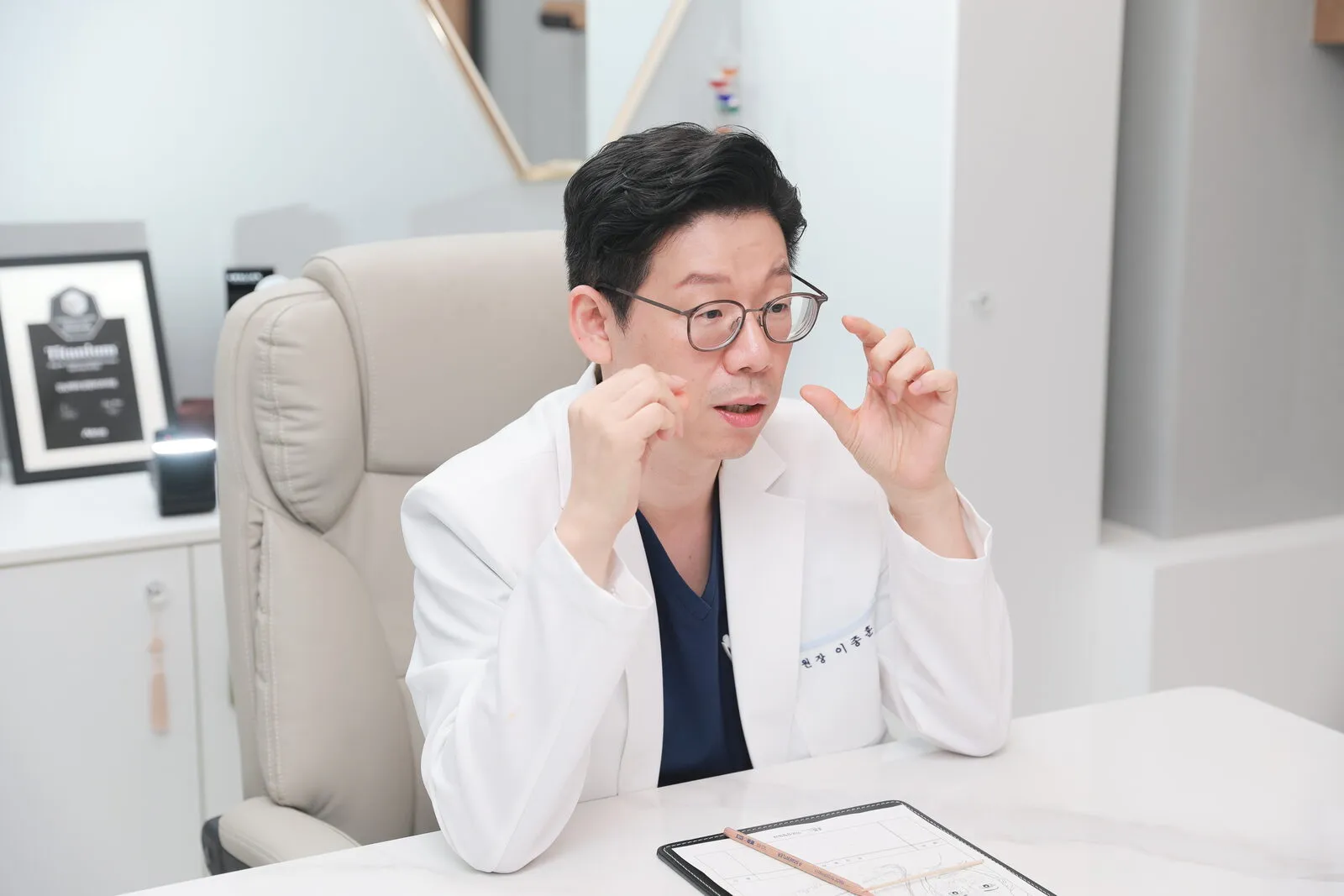 Skin boosters
When Does Rejuran Start to Show? Bumps, Weeks and Your Flight
Rejuran's injection bumps usually settle in a day or two and hydration often shows within weeks, while texture changes build over a course. Dr. Jong Seon Kim on which day of your Seoul stay to book it.
8 minRead → Skin boosters
How Long Does Rejuran Last? Months, Sessions and Trip Days
After a course of about three sessions spaced weeks apart, Rejuran's effect commonly holds for six months to a year. The bumps settle in one to three days, so session spacing shapes your trip more than downtime.
8 minRead →