
Temple Filler: The Hollow Most People Miss
 Dr. Jong Seon Kim · Director, Gangnam HERA4 min readLast updated
On this page
I'm Dr. Jong Seon Kim, a plastic surgeon at Gangnam HERA in Seoul and a board member of the International Petit Medical Society. Patients almost never walk in asking about their temples. They point at the cheeks, or the under-eyes, and say they look tired. Then I hold a mirror up at an angle and show them the hollow above the cheekbone — and the conversation changes.
Why does filling the temples change the whole face?
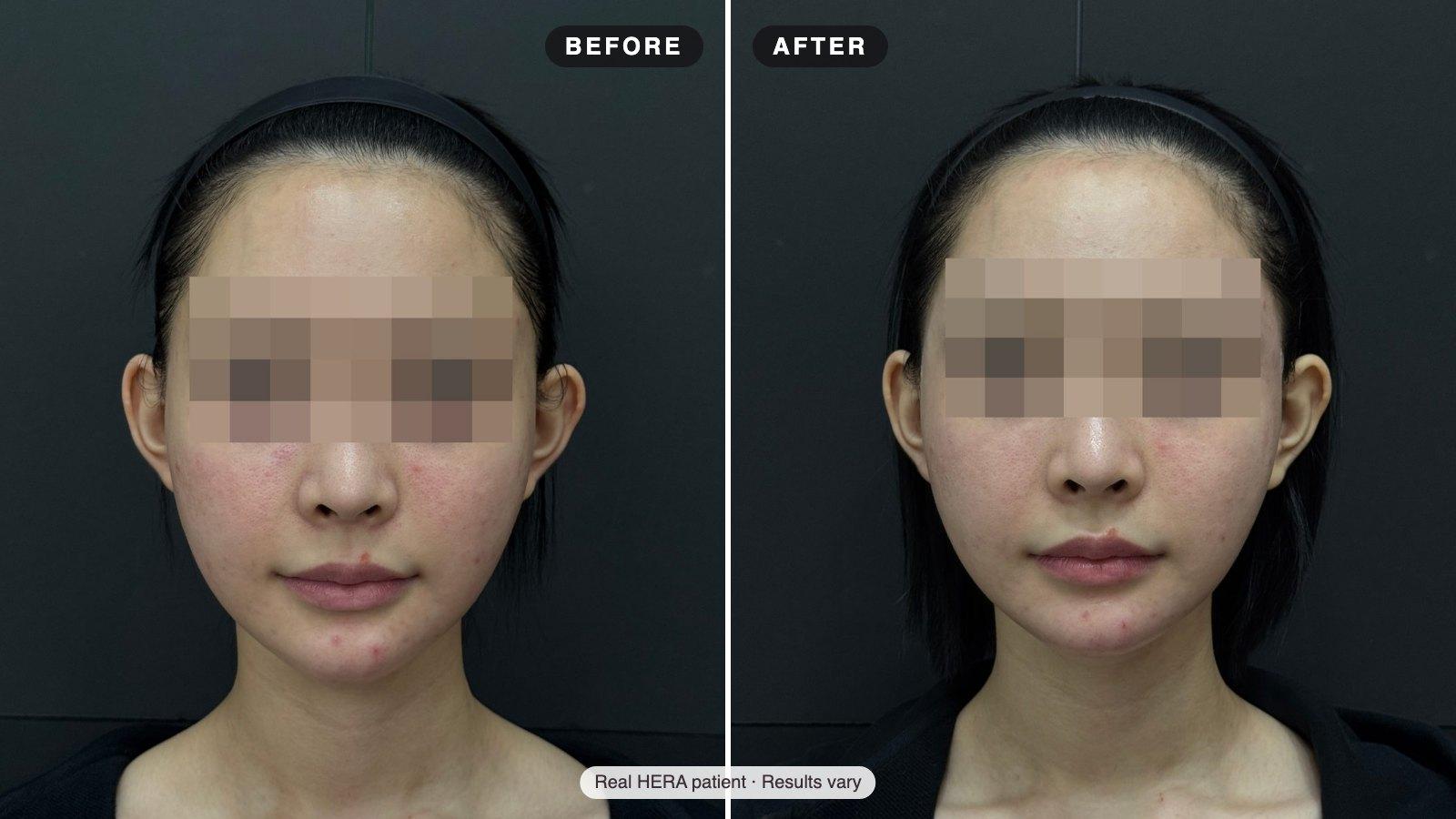
Because the upper face is read as a single outline. When the temples hollow, the outline narrows there and the cheekbones and brow bone stand out by contrast — the effect reads as gaunt or tired even when the skin itself is fine. Restoring volume smooths that transition, and the face looks rested rather than "filled".
This is why I sometimes treat temples when a patient came in about something else entirely. It is not upselling; it is that the hollow they were pointing at is the shadow, not the cause.

Who it suits — and who it doesn't
- Hollowing above the cheekbone that makes the upper face look narrow or drawn
- A face that looks tired in photographs despite good skin
- Volume loss from ageing or significant weight loss
It is not for you if your concern is sagging along the jawline or neck — that is laxity, not volume, and filler is the wrong tool. In that case I will talk to you about lifting instead.
What we do in the room
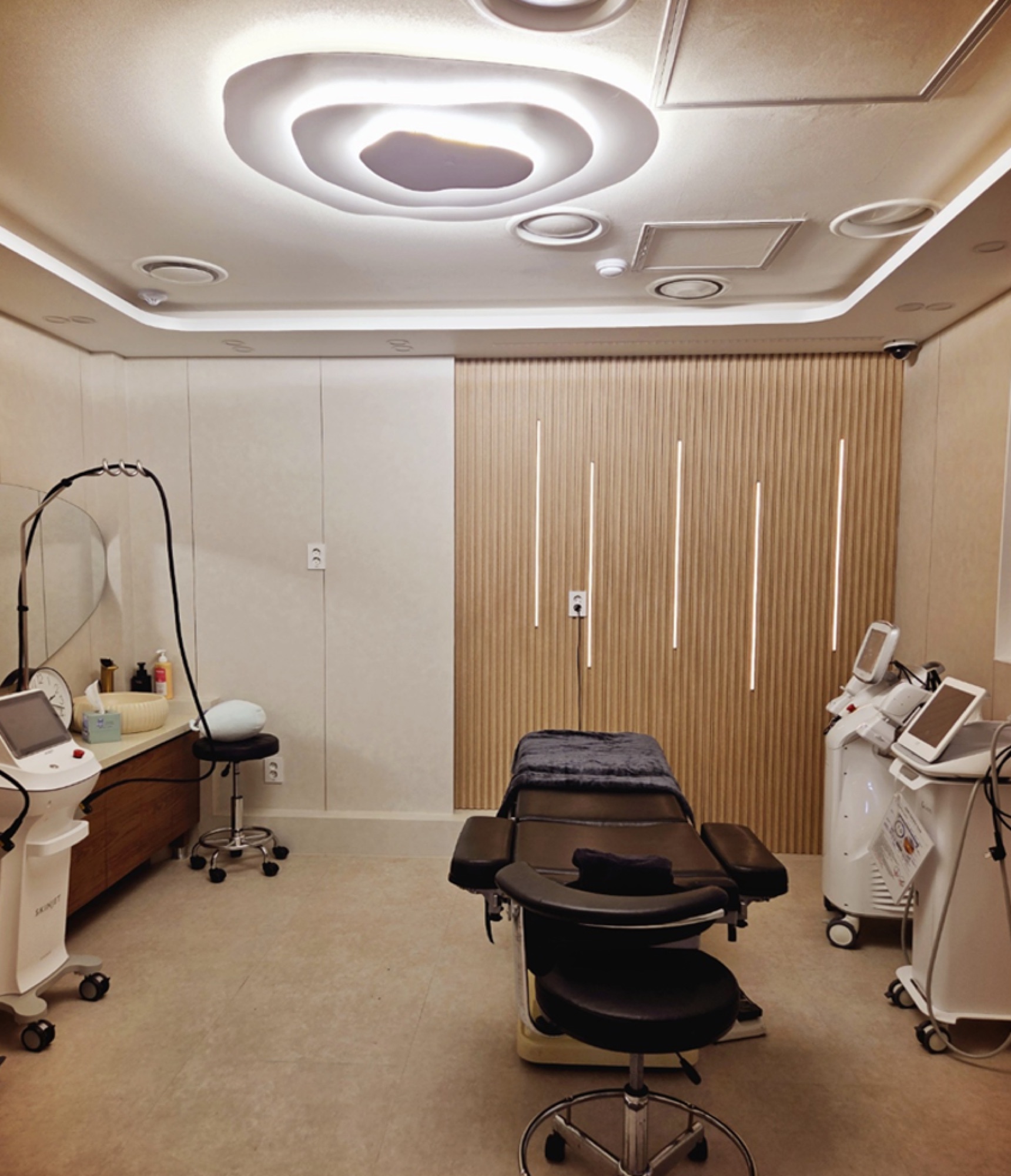
Temple work is part of how we plan facial volume overall — the face is assessed as a whole, and volume is placed where the outline needs it rather than where the patient first pointed. Topical numbing cream is applied; local anaesthetic if needed. Most volume sessions run about 10 to 30 minutes depending on how many areas we treat.
Changes are visible immediately, which is useful here: you can see the outline soften in the mirror before you leave.
Recovery and what to expect
Most patients resume daily activities immediately. Mild swelling, redness or a small bruise may appear and usually settles within a few days. If you are flying, tell us your dates — bruising is the thing most likely to interfere with plans, and it is easy to schedule around.

Why temples hollow in the first place
Two things happen with age and with significant weight loss: the fat pads in the upper face shrink, and the bone underneath remodels subtly. The temple sits over both. That is why temple hollowing often appears in people who are otherwise slim and well — it is not a skin problem and no cream reaches it.
It also explains why treating only the cheeks sometimes fails to satisfy. Volume restored below a hollow temple can make the contrast sharper rather than softer.
How temple work changes the rest of the plan
Because the upper face is read as an outline, restoring the temple often reduces how much volume the cheeks need. I have had patients arrive expecting substantial cheek work who left with less placed there than they expected, because the outline no longer demanded it. Less product for a better result is the outcome I am aiming for, and it is only possible if the face is assessed whole.
If your main concern is the lower face — jawline, jowls, neck — that is laxity and belongs to a different conversation. Volume placed above will not lift what has descended below.
What patients ask me next
- "Is the temple a risky area?" It has important anatomy, which is exactly why it should be a physician injecting with a clear plan rather than a fixed menu.
- "Will my face look wider?" Done correctly it looks rested, not wider. Width comes from over-placement, which is the error I actively avoid.
- "Can it be combined with lifting?" Yes, and often should be — volume and lift solve different problems, and sequencing them properly is part of the consultation.
The honest limits
Filler is maintained, not permanent. And volume has a ceiling: past a certain point, adding more stops reading as "rested" and starts reading as "done". I place less than patients often expect and ask them to come back, because the version of this treatment that goes wrong is almost always the overfilled one.
The clinical detail of the procedure — who it suits, how a session runs, recovery and the honest limits — is set out on our General Facial Fillers page.
Book a consultation
If you would like me to look at your case, send us a message and we will arrange a consultation — in person in Gangnam, or by photo first if you are still abroad. An English interpreter joins every consultation, and you receive an itemised written estimate before anything begins. International and local patients pay exactly the same.
FAQ
Frequently asked questions
Q1Why would I need temple filler if my concern is my cheeks?
Because the upper face reads as one outline. A hollow above the cheekbone narrows that outline and makes the whole upper face look drawn — often the hollow patients point at is the shadow rather than the cause.Q2How long does temple filler last?
It is maintained rather than permanent. Hyaluronic acid is gradually broken down by the body, and I will give you a realistic interval for your case at the consultation rather than a marketing figure.Q3Will it help sagging along my jawline?
No. Sagging is laxity, not lost volume, and filler is the wrong tool for it. If that is your main concern I will talk to you about lifting instead.Q4How much downtime is there?
Most patients resume daily activities immediately. Mild swelling, redness or a small bruise may appear and usually settles within a few days. Tell us your travel dates and we will plan around them.Q5Can temples be overfilled?
Yes, and it is the most common way this treatment goes wrong. Past a certain point added volume stops looking rested and starts looking done. I place less than most patients expect and ask them to return.
真實經驗
患者怎麼說
由海外患者上傳的影片。




YouTube 上
出發前,先聽聽醫師怎麼說
我們的醫師在鏡頭前講解HERA的主力療程:拉提、玻尿酸與皮膚增強針,讓您在抵達首爾前,就知道會見到誰、他們怎麼思考。
韓語發音 · YouTube 提供自動翻譯字幕
- 6:24玻尿酸

 Dr. Jong · Dr. Jong
- 7:36診所與醫師Dr. Jong · Dr. Jong
- 8:07拉提Dr. Jong
- 5:44拉提Dr. Jong · Dr. Jong
Shorts
一個問題,不到一分鐘
HERA TV
The doctors explain it on camera — then in writing
Each piece is written by the doctor from their own YouTube video: the patient question, why it happens and how we approach it.
 6:56unlicensed filler injections
Unlicensed Filler Injections: The Real Risks, From Two Doctors
Dr. Jong Seon Kim7 min read 6:05wrinkles around mouth treatment
Wrinkles Around the Mouth: A CaHA, Ultherapy and RF Combination
Dr. Jong Hoon Lee7 min read 5:40elf ear filler
Elf Ear Filler: Shaping Flat Ears for a Smaller-Looking Face
Dr. Jong Seon Kim6 min read
HERA Journal
Keep reading
 Fillers
Non-Surgical Nose Lift: Three Clear Days Before You Fly
Nose filler swelling usually eases within two to three days and looks settled by about a week; threads take closer to a week. Treat at least three clear days before your flight, early in the trip.
9 minRead → Fillers
How Long Dermal Filler Lasts: Lips Go First, Under-Eyes Last
Hyaluronic acid filler usually lasts six months to a year. Lips sit at the short end, the nose bridge and under-eyes at the long end, and most swelling settles within a week of treatment.
8 minRead → Fillers
Which Dermal Filler Lasts the Longest? Longer Isn't Safer
Non-absorbable PMMA lasts the longest, then poly-L-lactic acid, then hyaluronic acid. For lips, nose and under-eyes I still choose hyaluronic acid, because it is the one common type that can be dissolved.
9 minRead →