Non-Surgical Nose Lift: Three Clear Days Before You Fly
 Dr. Jong Seon Kim · Director, Gangnam HERA9 min read
On this page
A doctor at home told you the nose is a risky place for filler, and now you're working out how many days a non surgical nose lift in Seoul needs before you can board the flight home?
With hyaluronic acid filler, swelling and any bruising usually ease within two to three days, and the nose looks close to settled by about a week. Threads tend to stay tender and swollen for closer to a week. I'd have the treatment at least three clear days before your flight, and earlier in the trip if you can.
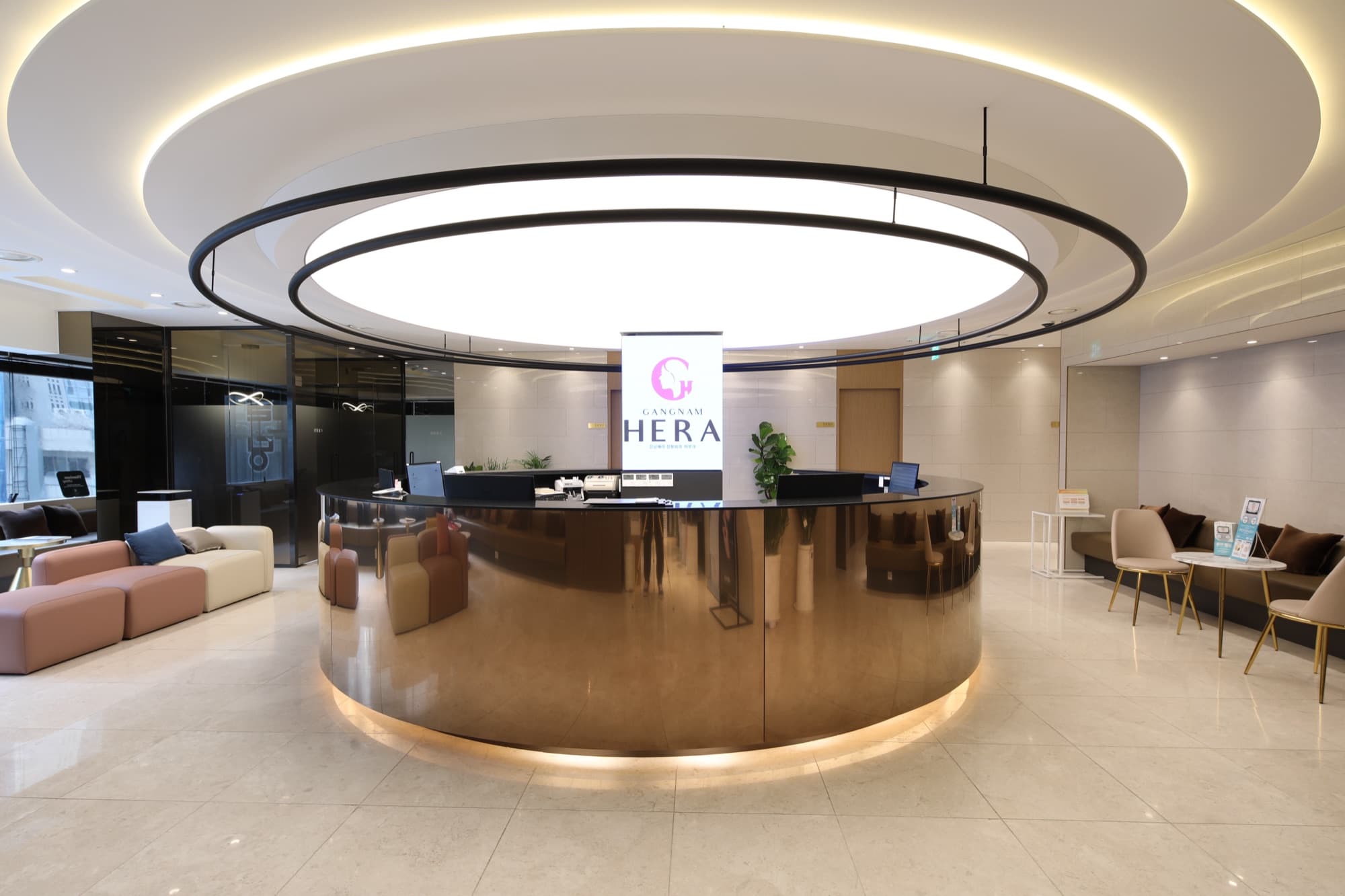
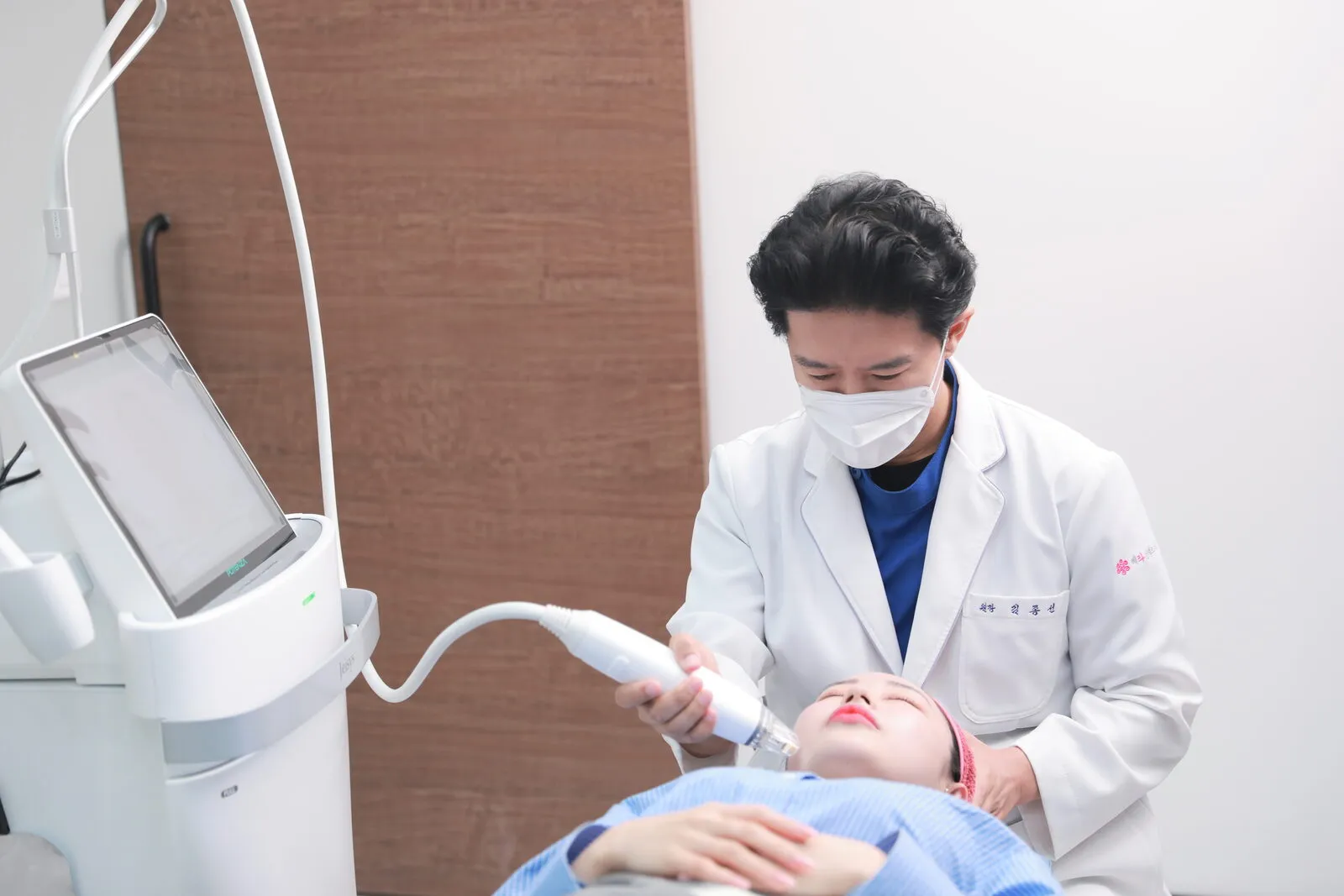
Hello, I'm Dr. Jong Seon Kim, Director of Gangnam HERA Plastic Surgery Clinic.
I'm a board member of the International Petit Medical Society, and at HERA the doctor who consults with you is the doctor who injects your nose. The sealed vial is opened in front of you. HERA is registered with Korea's Ministry of Health and Welfare for international patients, and a medical interpreter for your language is provided at no extra charge, so the conversation about risk happens in words you can follow.
If you'd like to start from your own nose, send one side-profile photo taken in daylight and your flight dates on WhatsApp, along with the exact reason your doctor at home gave for saying no.
Book a consultation
Send us your question or a photo on WhatsApp and we will reply in English.
Send a side-profile photo and your flight dates on WhatsApp →
Which nose shapes can a non-surgical lift actually change?
The name promises more than the treatment does. Nothing is lifted the way a surgeon lifts tissue. Filler adds height where the bridge is low, and a small amount at the base of the tip can point it slightly forward. Threads placed along the bridge or into the tip add a little structure. Both can only add.
Think of a wobbly table. You can slide a folded card under the short leg, but you can't shorten the long ones without tools. That is the line between injectables and surgery, and it sorts nose types quickly:
- Flat or low bridge (what many people in the Philippines call a pango nose): the most common good fit. Filler raises the line between the eyes so the profile has a defined start.
- A small bump: filling just above and below it can make the profile read straighter, though the nose gets slightly higher overall.
- A tip that droops a little: modest support at the base can help, and this is where threads sometimes come into the discussion.
- Wide nostrils (alar flare), a large hump, a long nose, or an upturned tip you want lowered: these need tissue removed or reshaped, which only surgery does.
| Method | What it can change | Usual recovery |
|---|---|---|
| Hyaluronic acid filler | Bridge height, slight tip projection | Swelling and bruising mostly ease in 2–3 days |
| Threads | A little support along the bridge or tip | Tenderness and swelling often last about a week |
| Surgical rhinoplasty | Narrowing, hump removal, shortening, lowering | A splint, then weeks of visible swelling |
I've written separately about what threads can and cannot do for a nose. Filler behaves the same way on other areas too: it can smooth a neck line but cannot lift it.
Before planning a nose, I look at the whole face, then tell you what will change and what won't. A bridge raised without regard for the forehead and chin can look tall from the front and strange from the side.
Why would a doctor at home say no to nose filler?
Because the risk is real. Small arteries feeding the skin of the nose connect with vessels that supply the eye. If filler enters one of them, or presses on it from outside, blood flow to that patch of skin can stop. The U.S. Food and Drug Administration lists this as a rare but serious filler risk that can damage skin or cause vision problems, including blindness. Rare, yet the nose and the space between the brows are where it is discussed most.
So a careful no at home is a reasonable answer. A clinic that says yes hasn't found a safer filler. Any difference has to come from small amounts, slow injection, a doctor who knows where those vessels run, and you staying close for the first days.
Risks and side effects to know
A nose that has had rhinoplasty, especially with an implant, is a separate conversation. Scar tissue changes where filler travels and how the skin is fed, and for some of those noses my answer is no as well.
Blocked vessels, lumps and infection: what can go wrong
The temporary things first: tenderness, red dots at the injection points, mild swelling, and sometimes a bruise between the eyes. These usually fade over a few days.
Less common: a small lump, a slight asymmetry, or filler that spreads wider over the months and softens the bridge line. Hyaluronic acid filler can be dissolved with an enzyme, which is one reason it's the usual choice for noses.
Rare but serious: a blocked vessel. Warning signs are pain much stronger than the injection itself, skin over the nose turning white, grey-blue or blotchy, and any change in vision. These need treatment within hours.
Wait, or skip it, if you are:
- pregnant or breastfeeding
- dealing with a skin infection or cold sore near the nose
- allergic to any filler ingredient
- unsure what was injected into your nose before
- still healing from recent nose surgery
- taking blood thinners (raise it at the consultation; don't stop them on your own)
Healing differs from one nose to the next, which is why the final plan is made face to face. Once you're home, any of the serious signs means an emergency department straight away. Before leaving Seoul, ask for the product name and amount to be written on your record, so the doctor there knows what they're treating. For a lump or unevenness that appears weeks later, a clear photo on WhatsApp is a sensible first step.
Recovery by day, and the day you fly
Treatment day. Numbing cream is usually applied first, and the injections themselves are short. You walk out with small red dots and a bridge that feels firm. For the rest of the day, avoid pressing the nose, heavy exercise and alcohol, and sleep with your head slightly raised. Dinner out is fine.
Swelling and bruise: what to watch for
Days one to three. Swelling usually peaks on the first or second day, then eases. If a bruise appears, it sits on the bridge or between the eyes, and makeup covers it from the next day on. The nose can look a little fuller than it will settle, so don't judge the shape yet. Keep heavy glasses off the bridge.
Day seven. Most people look settled. The filler keeps softening into place for about two weeks.
With threads the pattern is the same, only slower: the tip stays tender and the swelling usually lasts around a week.
Before you fly
Don't book the nose for your last day in Seoul. Cabin pressure doesn't worry me. What matters is that the first day or two is when a blocked vessel would show, and you want to be a short taxi ride from the clinic then, not over an ocean.
Here's the detail most trip plans miss. HERA is open Monday to Saturday and closed on Sundays and public holidays. Say you land from Singapore on a Friday evening with six nights. A Saturday appointment feels efficient, but the day after it is a Sunday, when the clinic is closed. Treating on Monday or Tuesday leaves you open weekdays to be seen again before a Thursday flight. When booking, ask whether a short look before you leave can be arranged.
Send the date you land and the date you leave, and mention anything that has been injected or implanted in your nose before, with the year; that history changes how much margin your trip needs.
Book a consultation
Send us your question or a photo on WhatsApp and we will reply in English.
Send a side-profile photo and your flight dates on WhatsApp →
How long should the Seoul trip be?
For filler alone, I'd count at least three nights in Seoul after treatment, and a week gives you room. For threads, plan about a week after the treatment day. If you're adding other face treatments on the same trip, each one brings its own swelling, so ask for the nose to be scheduled early. You can see the doctors and the full treatment menu on HERA's English homepage.
What goes into the estimate for your nose?
The number depends on a handful of things you can already describe:
- the method: filler, threads, or both
- how much height the bridge needs, from a small touch at the tip to the full length from the brow line down
- whether old filler has to be dissolved before anything new goes in
- whether past surgery means a slower plan in smaller steps
- how many visits you'll need during the stay
Foreign patients pay the same price as Korean patients, and you receive a written estimate before treatment. Deposit and payment method are settled after your consultation, so if that's on your mind, ask on WhatsApp along with your photo. For threads specifically, I've explained what a nose thread lift estimate covers.
What to check before anyone injects your nose
In short, these are worth asking at any clinic:
- Is the doctor who examines you the one who injects?
- Is the sealed product opened in front of you, and can you note its name?
- What happens if a blocked vessel is suspected, and is the dissolving enzyme on hand?
- Will you have a written estimate before treatment?
- Can you be seen again before your flight?
- Is there an interpreter for your language during the consultation?
You don't have to choose us. Wherever you go, get clear answers to these first. The same questions carry over to device treatments, as in how to choose a lifting clinic in Korea.
Nose Filler in Korea: What It Can and Cannot Do go further into what usually comes next.
Visiting HERA in Gangnam
HERA is at 4F, 9 Seocho-daero 73-gil, Seocho-gu, Seoul, about three minutes from Gangnam Station. Hours are 10:00 to 19:00 Tuesday to Thursday, 10:00 to 20:00 on Monday and Friday, and 10:00 to 17:00 on Saturday, with lunch from 13:00 to 14:00. Each treatment begins with a 1:1 consultation, and HERA is led by directors with 20+ years of clinical experience.
My view on the nose is simple: raise what's low, keep it narrow, and stop before it looks done. Nothing needs deciding before your flights are booked. Send a front photo and a short list of anything done to your nose before on WhatsApp, and ask how many nights after treatment your dates allow. What decides your plan is how thick the skin over your bridge is and whether anything is already underneath it.
— Dr. Jong Seon Kim, Director, Gangnam HERA Plastic Surgery Clinic
FAQ
Frequently asked questions
Q1Does a non-surgical nose lift hurt?
Most people describe brief stinging rather than real pain once numbing cream has taken effect. The tip is more sensitive than the bridge. With threads, expect the tip to feel sore to the touch for several days, and plan simple painkillers such as paracetamol rather than anything that thins the blood.Q2Can I wear glasses after nose filler?
Light frames are usually fine. Heavy frames that sit right on the injected part of the bridge are better swapped for contact lenses, or lifted off the nose, for the first one to two weeks while the filler settles.Q3How long does nose filler last?
Hyaluronic acid filler in the bridge often lasts around a year or longer, because the nose moves far less than the lips. Small top-ups tend to be needed less often than the first treatment, so plan future Seoul trips around touch-ups rather than full repeats.Q4Can it be undone if I don't like the shape?
Hyaluronic acid filler can be dissolved with an enzyme, usually over a day or two, though some swelling follows. Threads are absorbed by the body over months and are not simply pulled out, which is a reason to start with filler if you are unsure.Q5I've had rhinoplasty with an implant. Can I still have filler?
Sometimes, in small amounts, but scar tissue and an implant raise the risk and change what is possible. Bring what you know about the operation: the year, whether an implant or cartilage was used, and any filler since. If those details are missing, the answer may be to wait.
真實經驗
患者怎麼說
由海外患者上傳的影片。



YouTube 上
出發前,先聽聽醫師怎麼說
我們的醫師在鏡頭前講解HERA的主力療程:拉提、玻尿酸與皮膚增強針,讓您在抵達首爾前,就知道會見到誰、他們怎麼思考。
韓語發音 · YouTube 提供自動翻譯字幕
- 6:24玻尿酸

 Dr. Jong · Dr. Jong
- 7:36診所與醫師Dr. Jong · Dr. Jong
- 8:07拉提Dr. Jong
- 5:44拉提Dr. Jong · Dr. Jong
Shorts
一個問題,不到一分鐘
HERA TV
The doctors explain it on camera — then in writing
Each piece is written by the doctor from their own YouTube video: the patient question, why it happens and how we approach it.
 6:56unlicensed filler injections
Unlicensed Filler Injections: The Real Risks, From Two Doctors
Dr. Jong Seon Kim7 min read 6:05wrinkles around mouth treatment
Wrinkles Around the Mouth: A CaHA, Ultherapy and RF Combination
Dr. Jong Hoon Lee7 min read 5:40elf ear filler
Elf Ear Filler: Shaping Flat Ears for a Smaller-Looking Face
Dr. Jong Seon Kim6 min read
HERA Journal
Keep reading
 Fillers
How Long Dermal Filler Lasts: Lips Go First, Under-Eyes Last
Hyaluronic acid filler usually lasts six months to a year. Lips sit at the short end, the nose bridge and under-eyes at the long end, and most swelling settles within a week of treatment.
8 minRead → Fillers
Which Dermal Filler Lasts the Longest? Longer Isn't Safer
Non-absorbable PMMA lasts the longest, then poly-L-lactic acid, then hyaluronic acid. For lips, nose and under-eyes I still choose hyaluronic acid, because it is the one common type that can be dissolved.
9 minRead → Fillers
Cupid's Bow Korean Lip Filler: What Volume Can't Sharpen
A sharper Cupid's bow comes from small amounts of filler placed at the two peaks and along the lip border; extra volume tends to round the peaks off. Filler can't build a bow on a flat border or shorten the upper lip.
10 minRead →