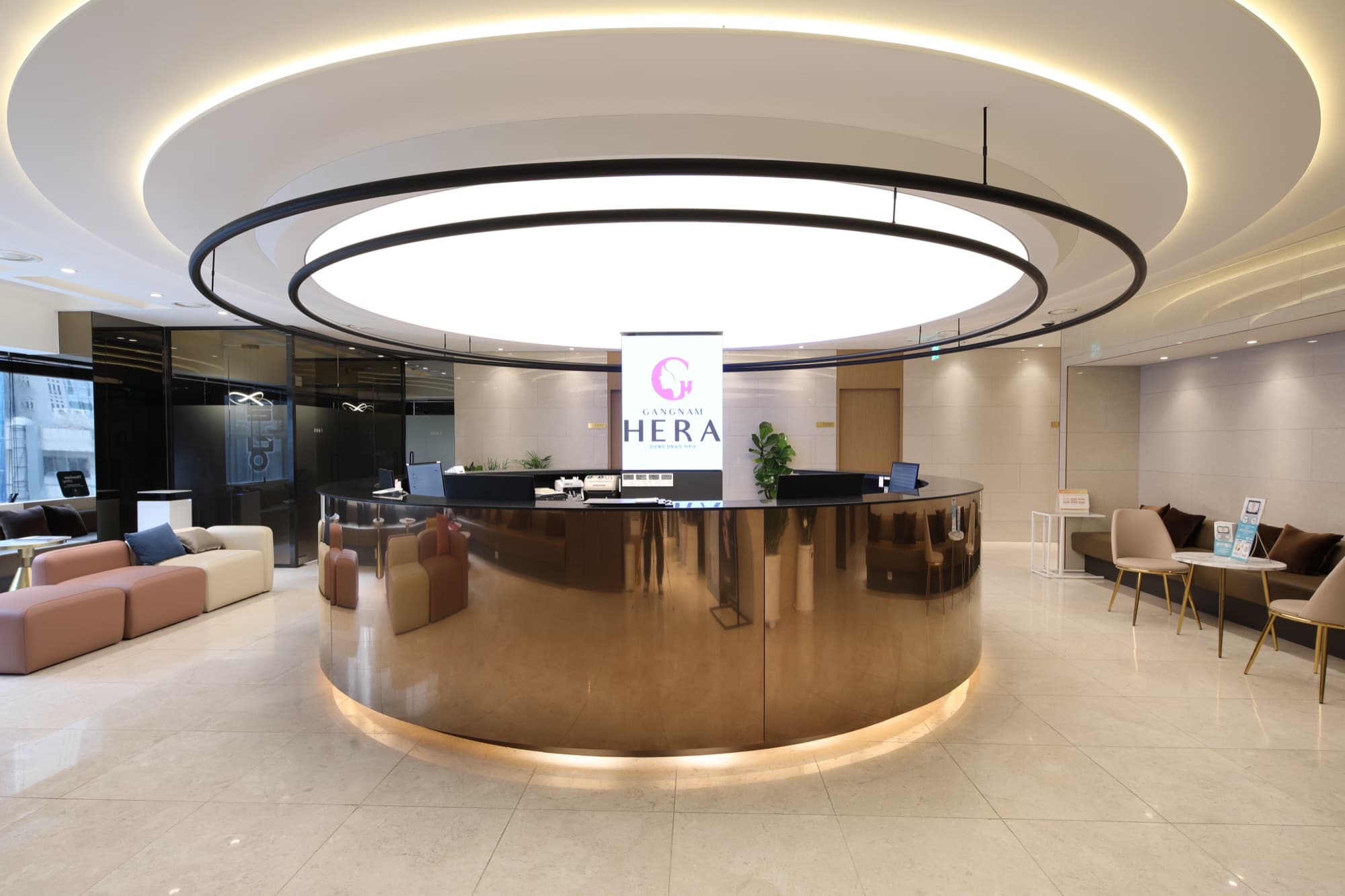
Korea Rejuran Recovery Program: What a Rejuran Course Involves
 Dr. Jong Seon Kim · Director, Gangnam HERA9 min readLast updated
On this page
Have a week in Seoul and wondering whether a Korea Rejuran recovery program will leave bumps on your face for the flight home?
Read this before you pick your treatment day.
You'll know what a Rejuran course involves, what decides the cost, which review claims hold up, how the methods differ, and how to place the recovery days around your flights. That should make it easier to judge whether it fits your skin, your budget and this trip.
Hello, I'm Dr. Jong Seon Kim, Director of Gangnam HERA Plastic Surgery Clinic.
At HERA, the specialist who consults with you is the one who performs your treatment, and the sealed vial is opened in front of you. Foreign patients pay the same price as Korean patients, you get a written estimate before treatment, and consultations can run through an English interpreter.
I'm writing this because many visitors book Rejuran for their last afternoon in Seoul, and that's the one slot I'd avoid.
There's no single packaged “recovery program” for Rejuran. What people usually mean is a course of polynucleotide injections, given as a series of sessions a few weeks apart, with small bumps at the injection points that usually settle within a day or two.
If you're not sure your skin or your dates fit, send one daylight photo of your face and your arrival and departure dates on WhatsApp, and ask the one thing you want settled: can a session fit into this trip?
Book a consultation
Send us your question or a photo on WhatsApp and we will reply in English.
What a Rejuran course is
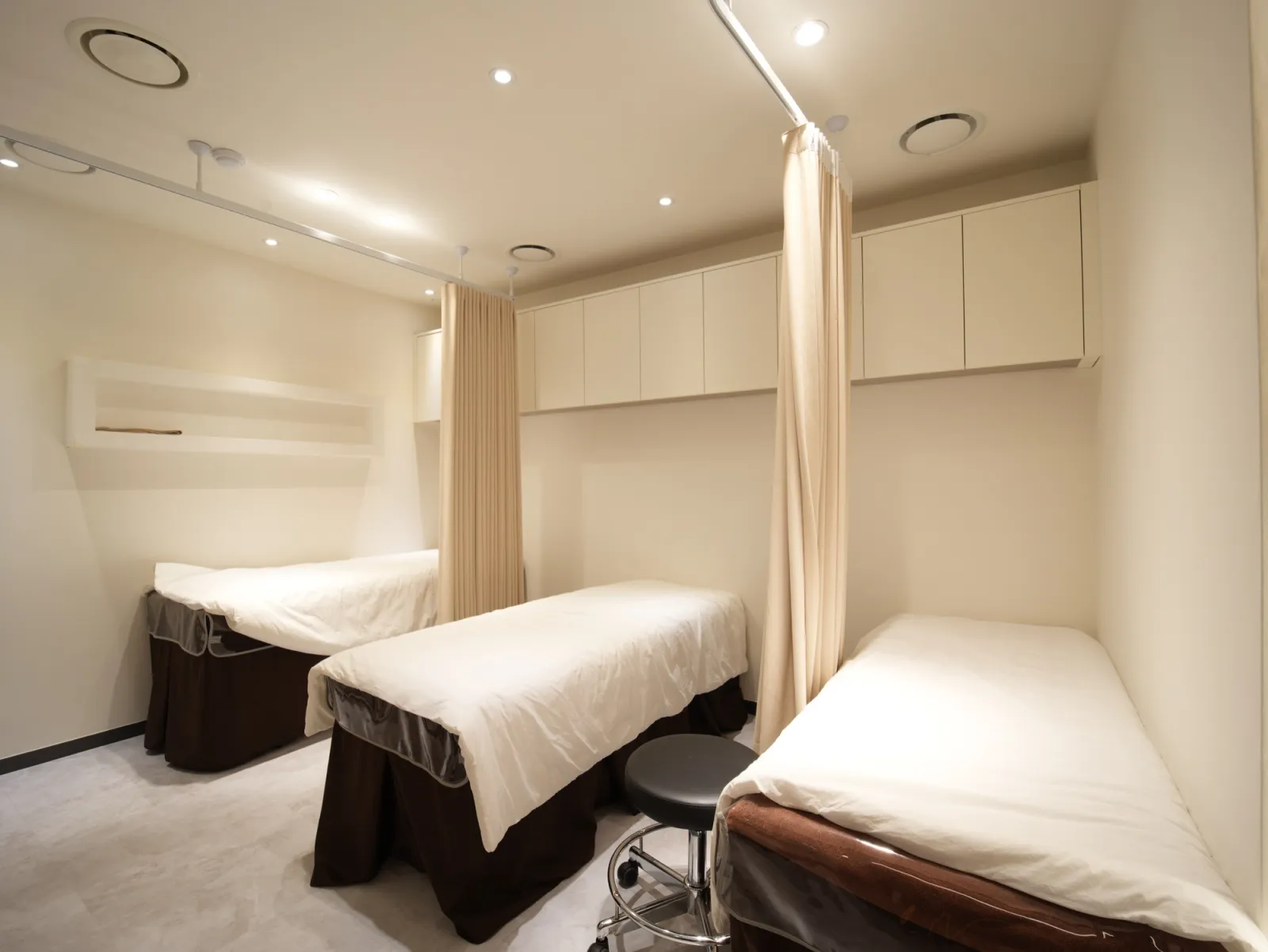
Rejuran is an injectable made from polynucleotides (PN), purified DNA fragments taken from salmon. On our menu it comes as Rejuran, Rejuran HB and Rejuran I. It goes in as tiny amounts placed just under the skin across the treated area. The aim is to support the skin's own repair. It doesn't fill anything.
A review in Pharmaceutics that compares polynucleotides with the related PDRN describes them as working through tissue-repair and hydration pathways, which fits what people notice on the skin: texture and moisture first. Most studies of polynucleotides in esthetic medicine use a series of sessions rather than a single injection, and that is the real meaning of “program” here. Change builds over weeks, so one session on a short trip is the first step of a course.
For the ingredient itself in more depth, our polynucleotide skin booster guide to Rejuran covers the background.
Who is a Korea Rejuran recovery program right for?
In short, it tends to suit skin that looks tired rather than skin that has lost shape: fine crepey texture, dryness that creams don't fix, dullness, shallow texture irregularities, thin skin under the eyes. These are skin-quality problems, and skin quality is what polynucleotides work on.
It fits less well when the main complaint is volume or sagging. Rejuran doesn't lift a jowl or refill a hollow cheek. If that's what bothers you, the conversation turns to filler, a collagen-stimulating booster such as Juvelook, or a lifting treatment. My aim is only what you truly need, so I'd rather say that at the start than plan a course that can't answer your concern.
Say you're in your mid-50s, your cheeks look crepey in photos, you also feel your lower face has dropped, and you have eight days in Seoul. I'd look at the two concerns separately. Rejuran can work on the texture. The drop is a different problem, and whether to add anything for it that same week is its own decision, made with your flight date in front of us. If texture is what you mind most, one session early in the trip is where I'd start, and the rest of the course is something to plan around a return visit.
Under-eye skin is its own case.
Which Rejuran methods and versions can you choose?
The three versions on our menu differ by formulation and by area. Rejuran is the original formulation, used across the face for texture and hydration. Rejuran I is made for the thin skin around the eyes.
The method is usually the same: many small, shallow injections placed by hand, which is why you see a grid of little raised points straight afterward. How deep and how close together the points are placed affects how visible those bumps are the next morning, and it's one reason the person injecting matters as much as the product.
Around the eyes the skin is thinnest and bruises most readily. If that is your area, what Rejuran can and can't do around the eyes goes into it separately.
What do Rejuran reviews get right and wrong?
Review threads repeat the same few claims. Some hold up medically, some don't.
“The bumps look alarming.” True for the first hours. The raised points are the product sitting in the skin, and for most people they flatten within a day or so, sometimes a little longer around the eyes.
“It stings more than other boosters.” Often true, especially with the original version. That's the reason HB, with lidocaine, exists, and numbing cream helps.
“One session transformed my skin.” This is the claim I'd read most carefully. Polynucleotides work gradually, and the studies use a series of sessions. A glow the next morning is mostly hydration and mild swelling, so judge a course weeks later, in the same light you took your first photo in.
“Anyone can have it.” Not quite. It's made from salmon DNA, so a fish or salmon allergy matters, and the people who should wait are listed in the risk section below.
What decides the cost of your course?
Four things move the figure. The version comes first: Rejuran, Rejuran HB or Rejuran I. Then the area, full face, under-eye only, or both. Then the number of sessions in the course and how many of them happen during this trip. Last, whether you combine it with another treatment on the same visit, for example a filler for a hollow that Rejuran can't address.
Foreign patients pay the same price as Korean patients, and you receive a written estimate before treatment, so the number is on paper before anything is injected. If you'd like to see how those items are laid out, our page on what a Rejuran estimate includes walks through it, and if volume turns out to be part of the plan, how filler costs are set in Korea follows the same logic.
To get the figure for your own case, ask on WhatsApp what a course would cost for your skin, with one photo and the area you want treated.
Why the vial is opened in front of you
Rejuran is a branded product, and you can't tell genuine from counterfeit by looking at your skin afterward. I use only genuine, approved products, and the sealed vial is opened in front of you, so you see the box and the vial yourself. The doctor who consults with you is the one who injects you; it isn't handed off. You can read about the three plastic surgery specialists on the HERA Clinic English homepage.
How do the recovery days fit around your flights?
For most people the visible part of recovery is short. Here is what is usual, and what to plan for.
| When | What's usual | What to plan |
|---|---|---|
| Same day | Raised bumps at the injection points, redness, some tenderness | No makeup on the treated area; keep the evening quiet |
| By day 3 | Bumps usually flattened; pinpoint bruises possible, more often under the eyes | Makeup is usually fine once the skin has settled; skip saunas, hard workouts and heavy drinking for the first couple of days |
| By day 7 | Any bruising usually fading; skin back to normal for daily life | A comfortable point for photos, sightseeing and the flight home |
Before you fly
don't book Rejuran for the day before your flight or the day you leave. Leave at least three days in Seoul after the session, so a bruise or an unexpected reaction shows up while you can still come back in.
The calendar matters too. The clinic is open until 5 pm on Saturdays and closed on Sundays and public holidays, so if you land on a Saturday, Monday or Tuesday works well as a treatment day for an eight-day stay. HERA gives recovery guidance and follow-up in English, which helps once you're home.
When you message, mention your flight home date and the area that matters most to you, and ask which day of your trip to book the session.
Book a consultation
Send us your question or a photo on WhatsApp and we will reply in English.
Risks and side effects to know
The common reactions are temporary: raised bumps, redness, mild swelling, tenderness and pinpoint bruising. They usually settle within a few days, and bruises under the eyes can take up to a week or so. Less often, a small firm bump lasts longer than expected, and rarely there is an infection or an allergic reaction. How quickly each person settles varies, and whether Rejuran suits you is something I decide only after examining your skin in person.
As a general rule, wait or skip it if you have an active infection, acne flare, cold sore or inflammation in the area; if you've had a laser or peel on the same area recently; if you take isotretinoin now or did recently; if you're pregnant or breastfeeding; or if you're allergic to fish or salmon-derived ingredients, or to lidocaine in the case of HB. Blood thinners and bleeding disorders make bruising more likely, so mention them at the consultation.
If, after you fly home, redness spreads, pain increases rather than fades, the area turns warm or you develop a fever, see a local doctor promptly and send a photo to us on WhatsApp. The U.S. CDC's guidance on medical tourism recommends bringing copies of your treatment records home and planning follow-up care before you travel, and that applies to injectables too.
The treatment itself. If you want the clinical detail — who it suits, how a session runs, recovery and the honest limits — it is set out on our Rejuran page.
Visiting HERA in Gangnam
HERA is on the 4th floor of 9 Seocho-daero 73-gil, Seocho-gu, about three minutes on foot from Gangnam Station Exit 9. Hours are 10:00 to 20:00 on Mondays and Fridays, 10:00 to 19:00 Tuesday to Thursday, and 10:00 to 17:00 on Saturdays, with a lunch break from 13:00 to 14:00. We're a Foreign Patient Attraction Medical Institution registered with Korea's Ministry of Health and Welfare, and consultations can run through an English interpreter.
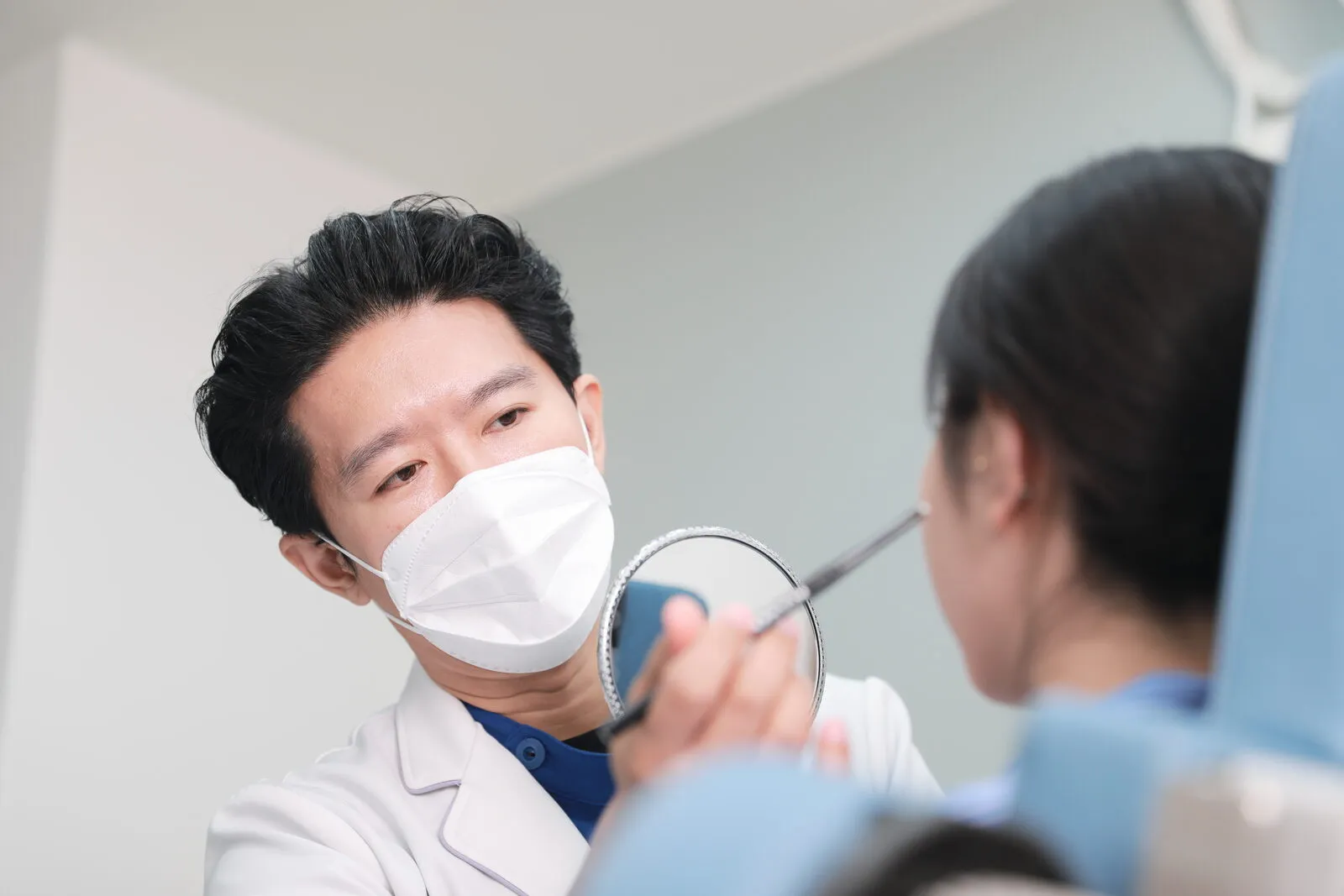
Before you book anything, send one photo of the skin that bothers you, taken in daylight, on WhatsApp, along with the question you most want answered, such as which Rejuran version suits that area. One photo is enough to start, and you can ask before booking anything. When you come in, I examine your skin and recommend the course that fits it and your days in Seoul.
FAQ
Frequently asked questions
Q1How many Rejuran sessions are in a course?
Published studies mostly use a series of sessions spaced a few weeks apart rather than a single injection. The number that suits you is set after your skin is examined. On a short trip, many people start with one session and plan the rest around a later visit.Q2Can I fly the day after Rejuran?
Flying isn't usually a medical problem in itself after Rejuran, but I'd avoid booking the session for the day before your flight. Leaving at least three days in Seoul means a bruise or an unexpected reaction shows up while you can still come back to the clinic.Q3Does Rejuran hurt?
It stings, and many people find the original version more uncomfortable than other boosters.Q4When can I wear makeup after Rejuran?
Usually from the next day, once the injection points have closed and the bumps have flattened. On the day itself, keep makeup off the treated area.Q5Is Rejuran the same as a filler?
No. Rejuran is a polynucleotide injectable aimed at skin quality, such as texture, hydration and fine crepiness. It doesn't add volume or lift. For hollows or volume loss, filler or a collagen-stimulating booster such as Juvelook is a different conversation.
Real stories
What Our Patients Say
Videos posted by patients who came from abroad.
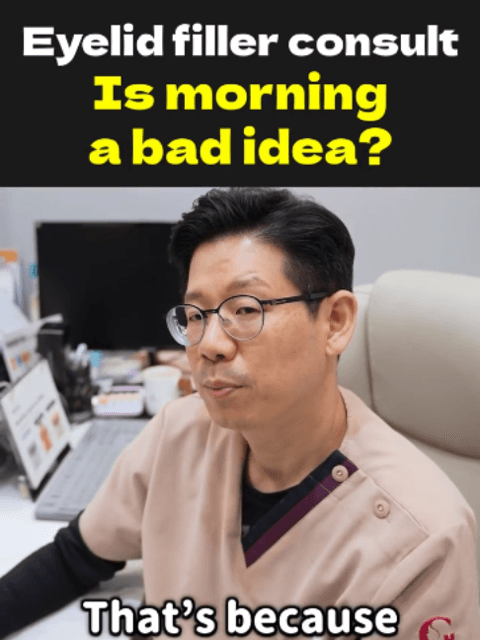
Is morning the best time for upper eyelid fillers? 🤔 Our doctor explains why the timing of your appointment can make a difference during your consultation. Watch until the end to learn why. ✨
@gnheraclinic_en

Can one thread lift improve both lifting and skin quality? 🤔 Our doctor explains how the key components of the Aptos Thread Lift work and what makes it different from traditional threads. Watch until the end to learn more. ✨
@gnheraclinic_en
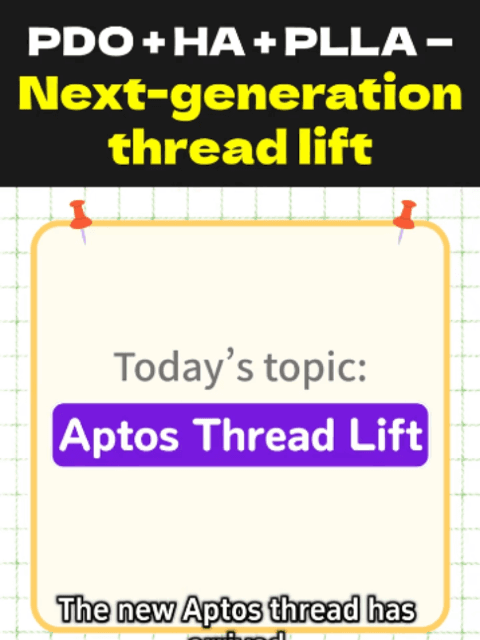
Thinking about a thread lift? 🤔 Aptos is more than just a PDO thread. Our doctor explains what makes it different and why it's become a popular lifting option. Watch until the end to learn how it works. ✨
@gnheraclinic_en

Would you choose sedation for Ultherapy? 🤔 Our doctor shares why he personally wouldn't recommend it—even for his own family. Watch the full explanation before making your decision. ✨
@gnheraclinic_en
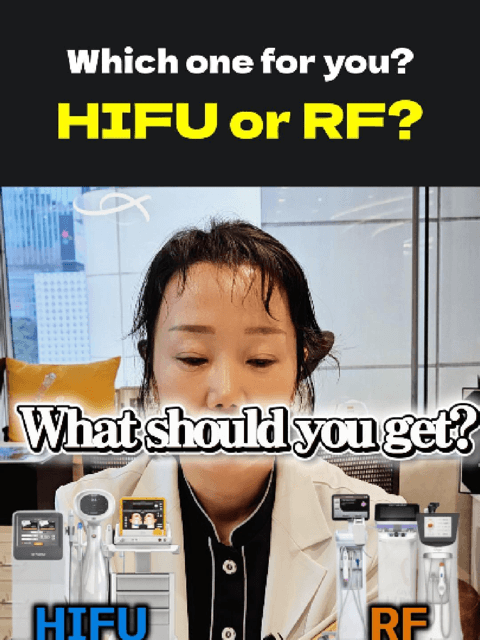
HIFU or RF — which one does your face actually need? They both lift your skin — but in completely different ways. Which one is right for your face? Explained by a Korean aesthetic doctor. Save this before getting a lifting treatment.
@gnheraclinic_en
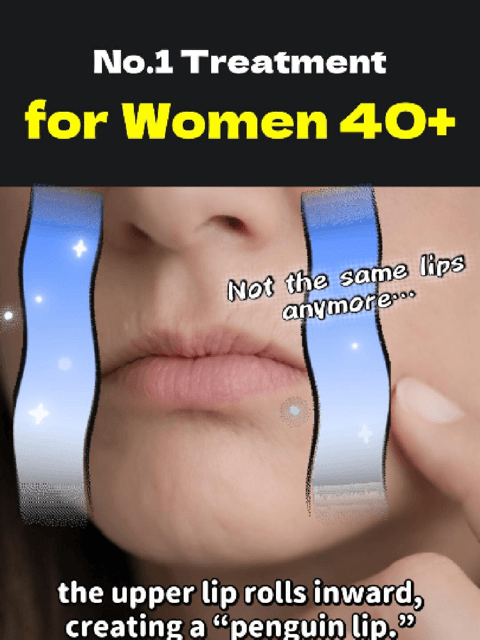
Noticing drooping mouth corners after 40? A small change can make a big difference. Lip filler + corner Botox ✔ Restore lip volume ✔ Lift the mouth corners ✔ Brighter smile 📍Gangnam HERA Clinic – Seoul Korea Follow @gnheraclinic_en
@gnheraclinic_en
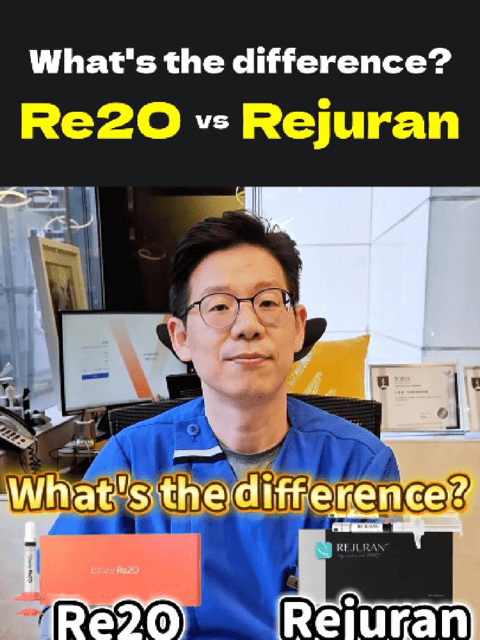
Re2O vs Rejuran Which skin booster is right for your skin? Korean aesthetic doctor explains the difference.
@gnheraclinic_en
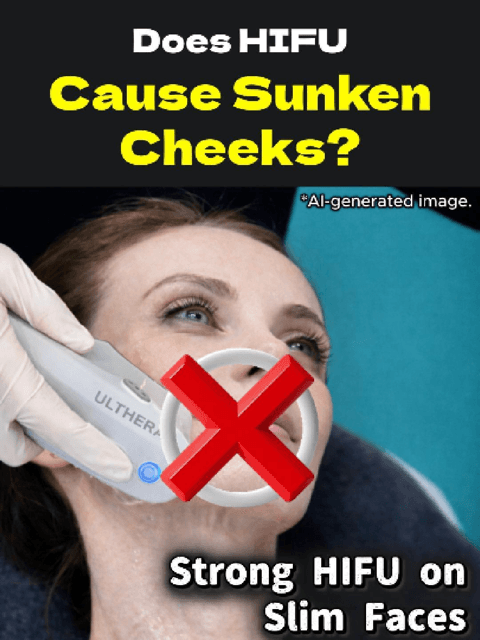
HIFU = Hollow Cheeks? Depends on your face type. Slim faces + strong HIFU can cause volume loss. Customized treatment is key.
@gnheraclinic_en

Jaw Botox mistake? Here’s why some faces look “peanut-shaped.” Placement matters. Save this before your next appointment.
@gnheraclinic_en
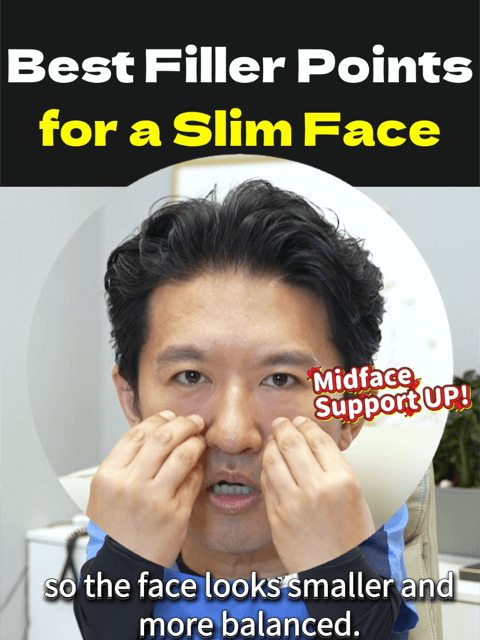
Want a smaller-looking face? It’s about placement. Save this.
@gnheraclinic_en
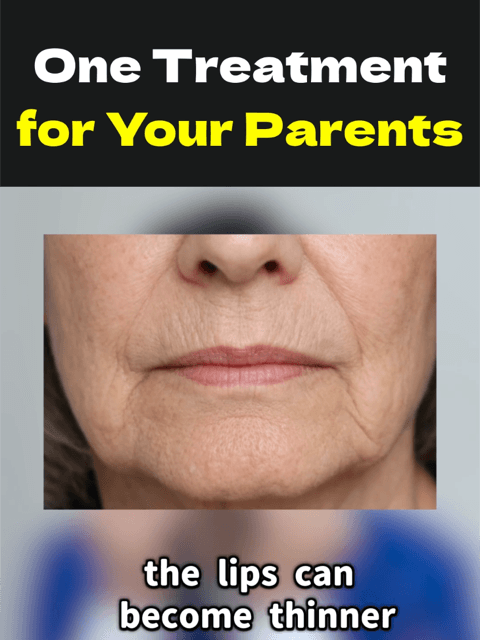
One treatment I’d recommend for parents? You might be surprised.
@gnheraclinic_en
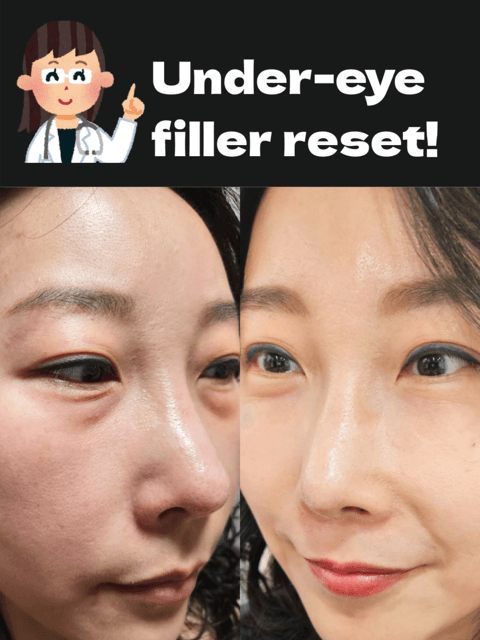
✨ Under-Eye Filler Correction & Re-Treatment ✨ Sometimes, filler isn’t about adding more — it’s about doing it properly and safely. In this case, the under-eye area required: ✔ Filler dissolving (hyaluronidase) ✔ Careful assessment of the depth and placement ✔ A natural re-treatment for a smoother result The tear trough is one of the most delicate areas of the face, so precision and experience truly matter. At Gangnam HERA Clinic in Seoul, we specialize in: 💎 Under-eye filler correction 💎 Tear trough rejuvenation 💎 Natural, balanced results (never overfilled) If you’re visiting Korea and looking for a trusted clinic in Gangnam, Seoul, we provide full English support for international patients. 📍Gangnam, Seoul 📩 DM us to book a consultation
@gnheraclinic_en
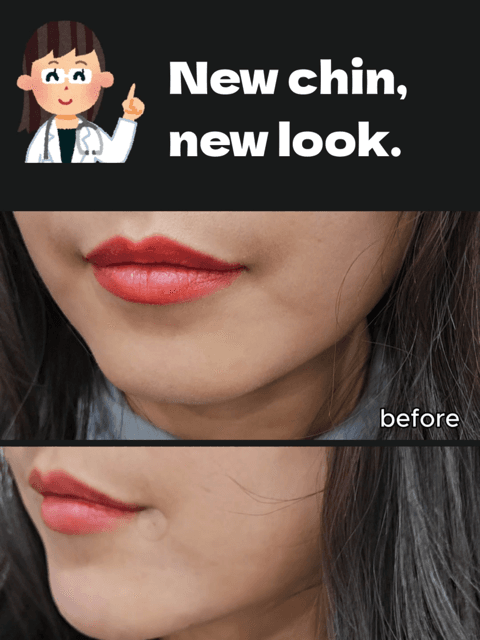
✨ Chin Filler for Facial Balance ✨ A small change can make a big difference — especially in your side profile. At Gangnam HERA Clinic in Seoul, chin filler is designed to: ✔ Improve facial harmony ✔ Enhance the jawline naturally ✔ Create a softer V-line effect ✔ Support a more defined profile (without surgery) Our treatments are doctor-performed, highly precise, and always tailored to your unique facial structure. If you’re looking for natural chin filler in Gangnam, Seoul, we offer full English support for international patients. 📍Gangnam, Seoul 📩 DM us for consultation & booking
@gnheraclinic_en
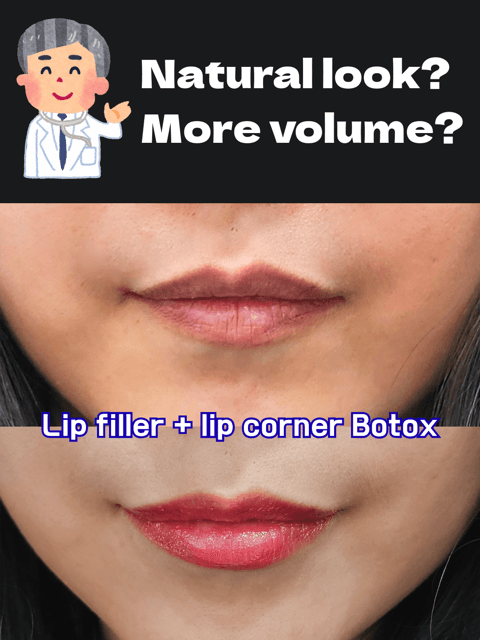
✨ Natural Lip Filler in Seoul (Gangnam) ✨ Subtle, balanced, and beautifully tailored to your facial features. At Gangnam HERA Clinic, our lip filler treatments focus on: 💗 Soft volume (not overdone) 💗 Better lip symmetry 💗 A more youthful, refreshed look 💗 Doctor-performed, precision-based results If you’re visiting Korea and looking for a trusted clinic in Gangnam, Seoul, we provide full English support for international patients. 📍Located in Gangnam, Seoul 📩 DM us to book your consultation
@gnheraclinic_en
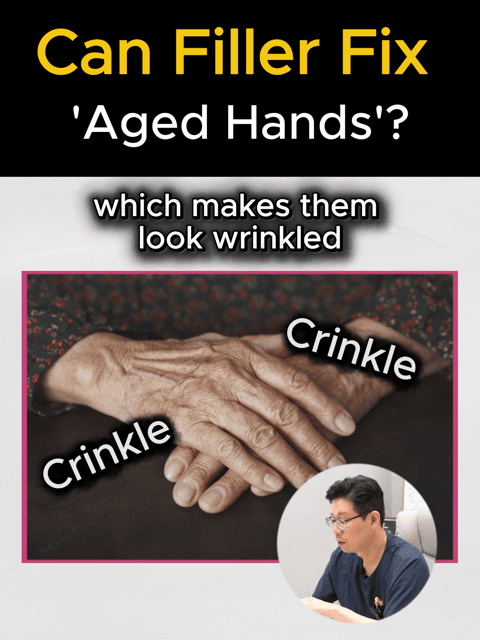
Restore Your Youth: The Magic of Hand Fillers ✨✋ Do you find yourself hiding your hands because of visible veins, tendons, or wrinkled skin? As we age, we lose volume in our hands, making them look older than we feel. But you don't have to let your hands give away your age! At Gangnam HERA, we provide a professional solution to restore that smooth, youthful look: ✅ Volume Restoration: Fills in hollow areas where fat has been lost. ✅ Vein & Tendon Camouflage : Softens the appearance of protruding vessels for a softer look. ✅ Smooth Texture : Deeply plumps the skin to reduce the "wrinkled" appearance. Experience an instant rejuvenation with natural-looking results. Let your hands match your youthful glow! 💎
@gnheraclinic_en
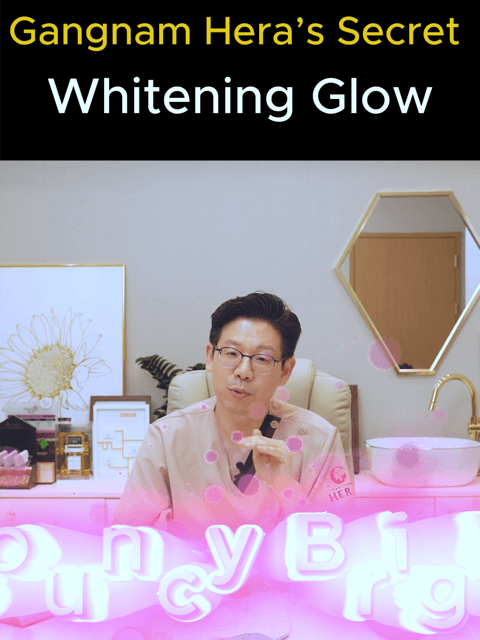
The Secret to "Soft Tofu" Skin? Only at Gangnam HERA! 🥛✨ Ever heard of the "Soft Tofu" Skin Booster? Just like the name suggests, it’s the ultimate secret to achieving a bouncy, bright, and milky-white complexion. The star ingredient is Glyju, a revolutionary booster made from Glyceollin (soybean-derived) ✅ Powerful Whitening: Blocks melanin synthesis for a clearer skin tone. ✅ Vascular Health: Promotes skin regeneration and healthy glow. ✅ Instant Hydration: Packed with Hyaluronic Acid to erase dryness. Why Gangnam HERA? 🤫 Glyju is amazing on its own, but we do it differently. At HERA, we combine it with an exclusive secondary treatment that boosts the results by 200%. This unique "Secret Formula" is available only at our clinic, giving you that signature whitening glow you can't find anywhere else. Ready for your Soft Tofu transformation? Experience the newest trend in Gangnam! 💎
@gnheraclinic_en
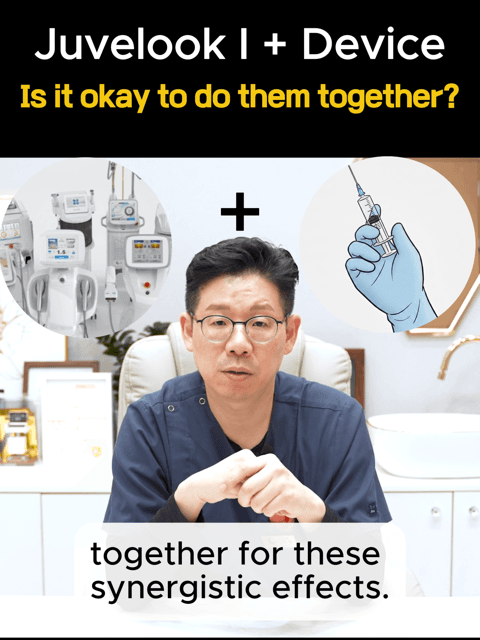
Juvelook I + EBD The Perfect Synergy 💉⚡️ Why combine Juvelook I with Energy-Based Devices (EBD)? Because they work better together! Juvelook I: Stimulates deep collagen production. EBD : Tightens skin tissue using thermal energy. At Gangnam HERA, we provide both to give you volume and lifting at the same time. 🕒 Already had Juvelook? We recommend a 2–3 week interval for absorption before starting your device treatment.
@gnheraclinic_en
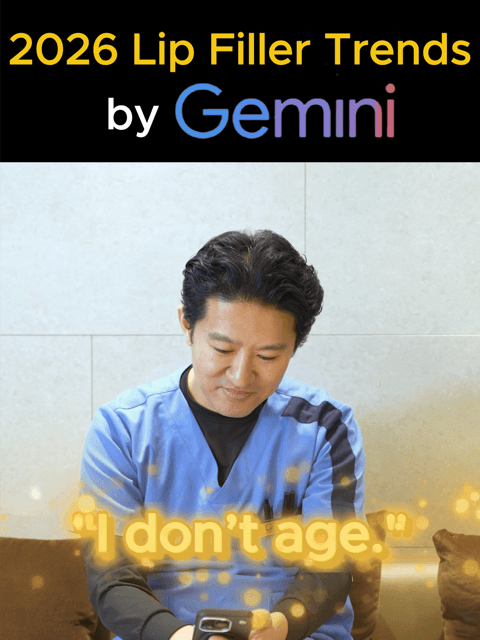
I asked AI (Gemini 3.0) about the future of lips, and the answer was clear: Be Yourself. ✨ 🎬 2026 Lip Trends (Quick Summary) 1️⃣ Beyond Volume 👄 Less is More! It’s all about a natural, healthy glow over fake volume. 2️⃣ Hybrid Care 💧 Filler + Skin Booster (Rejuran/Exosome). Shape with filler, hydrate with boosters. 3️⃣ Advanced Safety 🛡️ New materials, longer results, and fewer side effects. (P.S. I asked Gemini how old it is, and it said it doesn’t age... Must be nice! But for us humans, we have Gangnam HERA to keep us youthful! 😂) 📍 Visit us in Gangnam for your 2026 personalized lip design.
@gnheraclinic_en
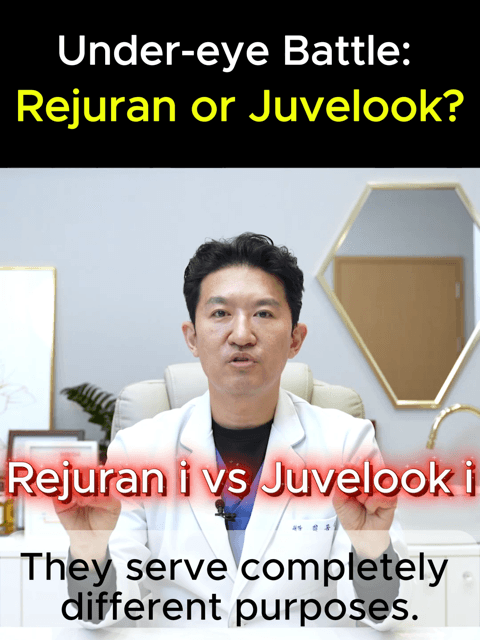
Stop guessing! Here is the REAL difference between Rejuran i and Juvelook i. 👇 ✅ Rejuran i Hydration & Glow. Perfect for fixing dry, "crepey" skin and adding that healthy inner radiance. ✅ Juvelook i Natural Volume. Perfect for filling hollow tear troughs by boosting your natural collagen. No bumps, just smooth skin. One heals the skin, the other fills the hollows. Which one is your concern? Tell us in the comments! 💬
@gnheraclinic_en
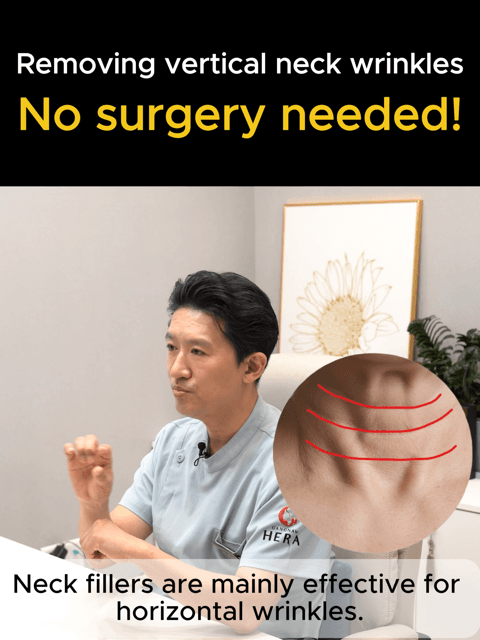
Say goodbye to vertical neck wrinkles—WITHOUT surgery! 🙅♀️✨ Vertical neck lines used to be the hardest to treat, often needing a surgical neck lift. But the trend has changed. Now introducing the CaHA Skin Booster treatment! 💉 By spreading diluted calcium filler evenly under the vertical folds, we stimulate your skin to regain its firmness and bounce naturally. Perfect for ✅ Loss of skin elasticity ✅ Deep vertical neck bands ✅ Those wanting surgical results without the downtime The future of neck rejuvenation is here at Gangnam HERA. 🤍
@gnheraclinic_en
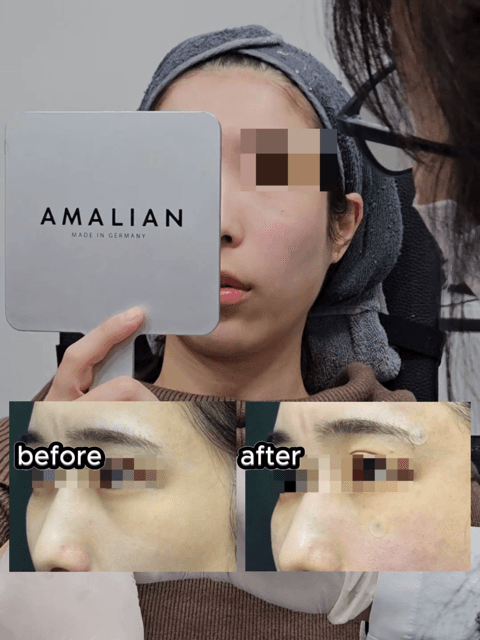
Even without lifting, your look can change this much. By adding only the necessary amount of filler to the temples, lateral cheeks, and chin, and combining chin Botox with Juvelook Eye, we refined the overall balance. Not to look unnaturally younger, but natural and smooth. This is a case that shows how much of a difference filler alone can make. 📩 For consultations and appointments, please contact us via DM or WhatsApp. * Results may vary by individual.
@gnheraclinic_en
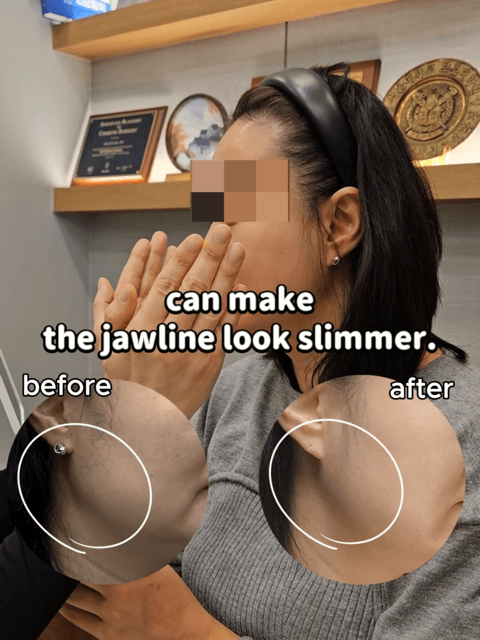
As we enter our 40s, many people start to notice: ✔️ Looser facial contours ✔️ A double chin ✔️ Deeper neck lines Improvement isn’t only about “lifting.” By reducing excess volume, refining the contours, and adding volume only where needed, the overall appearance can change significantly. This case combines: Ultherapy, fat-dissolving injections, Botox, and filler. Not to look unnaturally younger, but to look natural, clean, and refined. We offer facial contouring tailored for your 40s, with a balanced and thoughtful approach. For inquiries and appointments, please contact us via DM or WhatsApp.
@gnheraclinic_en
A special New Year message from the doctors at HERA. 💌 May your 2026 be as bright and glowing as the skin you’ve always dreamed of. We are so grateful to be part of your beauty journey. Stop the screen to reveal the blessing waiting for you! 🧧✨ Wishing you a year of overflowing happiness and health. Happy New Year! 🎊
@gnheraclinic_en
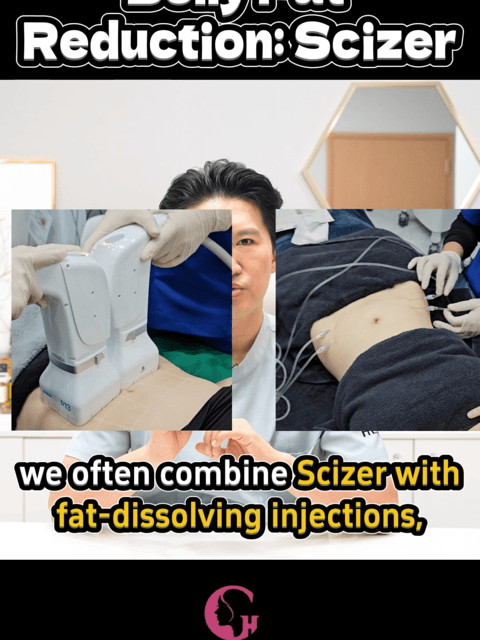
Body Ultherapy? 👀 Meet Sizer. 📢FDA-approved for belly fat reduction. Goes deeper. Works better. Sizer + fat-dissolving injections = 🔥
@gnheraclinic_en
On YouTube
Hear it from the doctors before you fly
Our doctors explain HERA's main treatments, lifting, filler and skin boosters, on camera, so you know who you are meeting and how they think before you land in Seoul.
Korean audio · auto-translated captions available on YouTube
16 videos
- 6:24Filler
Dr. Kim and Dr. Lee sort out how fillers, collagen injections and skin boosters differ, and which concern each one is for.

 Dr. Jong · Dr. Jong
- 7:36Clinic & doctors
HERA podcast ep. 3 — Dr. Kim and Dr. Lee look at the same face and explain the treatments they would choose, and why.
Dr. Jong · Dr. Jong - 8:07Lifting
What APTOS threads are, who they are recommended for, and a real patient's treatment and before-and-after.
Dr. Jong - 5:44Lifting
How APTOS compares with other lifting threads, what recovery is like and how long results last.
Dr. Jong · Dr. Jong - 4:20Filler
Dr. Kim shows how injection technique changes with the amount of filler, and how filler dissolves.
Dr. Jong - 5:50Filler
What a hollow upper eyelid is, filler vs fat grafting, how long it lasts and what to watch for.
Dr. Jong - 5:20Filler
Dr. Kim breaks down lip proportion, volume and mouth corners using well-known Korean celebrities' lips as examples.
Dr. Jong - 5:39Skin & boosters
Hydration, pores, breakouts or tone — matching the skin booster to what your skin actually needs.
Dr. Jong - 6:05Skin & boosters
Dr. Lee explains how Lituo and CaHA work, how they are injected and how often.
Dr. Jong - 5:00Skin & boosters
What Juvelook Eye is, what it is used for, how many sessions it takes and how long it lasts.
Dr. Jong - 5:56Lifting
Why lines form around the eyes, which treatments are combined, and Eye Thermage vs Eye Ulthera.
Dr. Jong - 4:58Lifting
Why Dr. Lee cares about lifting, and what he looks at first when he sees a patient.
Dr. Jong - 3:30Clinic & doctors
Dr. Han talks about what matters most in a consultation and the approach behind every treatment.
 Dr. Jin
- 5:29Skin & boosters
A tour of HERA's main devices and which skin concern — pores, texture or firmness — each one helps with.
Dr. Jong - 4:40Clinic & doctors
Three areas brides care about, recommended treatments, and what still works with a month to go.
Dr. Jong · Dr. Jong - 4:39Clinic & doctors
What an AI skin scan measures — wrinkles, pigment, firmness, pores — and why a doctor's consultation still matters.
Dr. Jong · Dr. Jong
Shorts
One question, under a minute
HERA TV
The doctors explain it on camera — then in writing
Each piece is written by the doctor from their own YouTube video: the patient question, why it happens and how we approach it.
 6:24korean plla filler
Korean PLLA Filler? Filler vs Collagen Booster vs Skin Booster
Is PLLA a filler? Two Gangnam HERA doctors sort out the three injectable families that confuse most patients — filler, collagen boosters and skin boosters — and how to combine them by area.
Dr. Jong Seon Kim7 min read 4:21neck line filler
Neck Line Filler: One Treatment, Start to Follow-Up
A Gangnam plastic surgeon treats a young patient's two neck lines on camera — why the lines form, why they are filled slightly high at first, how much it hurts, and what the follow-up visit showed.
Dr. Jin Yi Han6 min read 5:39korean skin booster
Korean Skin Booster: How to Choose by Your Skin's Main Problem
There are so many Korean skin boosters that patients freeze. A Gangnam doctor sorts them by the four problems that matter — hydration, pores, inflammation and brightness — and names the one he would pick if he could only choose one.
Dr. Jong Seon Kim7 min read
HERA Journal
Keep reading
 Skin boosters
How Long Does Rejuran Take? Chair Time, Bumps and Trip Days
A Rejuran visit usually takes half a day at most, and the small injection bumps typically flatten within one to three days. The full course takes longer: sessions are spaced two to four weeks apart.
8 minRead → Skin boosters
When Does Rejuran Start to Show? Bumps, Weeks and Your Flight
Rejuran's injection bumps usually settle in a day or two and hydration often shows within weeks, while texture changes build over a course. Dr. Jong Seon Kim on which day of your Seoul stay to book it.
8 minRead → Skin boosters
How Long Does Rejuran Last? Months, Sessions and Trip Days
After a course of about three sessions spaced weeks apart, Rejuran's effect commonly holds for six months to a year. The bumps settle in one to three days, so session spacing shapes your trip more than downtime.
8 minRead →
Visit us
Find Gangnam HERA
In Seocho-gu, Seoul, a three-minute walk from Gangnam Station Exit 9. Tap the map for directions.
Address
4F, 9 Seocho-daero 73-gil, Seocho-gu, Seoul, Republic of Korea
Opening Hours
Tuesday, Wednesday, and Thursday: 10:00 AM – 7:00 PM; Monday, Friday: 10:00 AM – 8:00 PM; Saturday: 10:00 AM – 5:00 PM; Lunch break: 1:00 PM – 2:00 PM; Closed on Sundays and public holidays