Korean PLLA Filler? Filler vs Collagen Booster vs Skin Booster
Is PLLA a filler? Two Gangnam HERA doctors sort out the three injectable families that confuse most patients — filler, collagen boosters and skin boosters — and how to combine them by area.
 Dr. Jong Seon Kim · Director, Gangnam HERA7 min read
Turn on CC for English subtitles.Watch on YouTube ↗
On this page
I'm Dr. Jong Seon Kim, a director at Gangnam HERA in Seoul and a board member of the Korean Society of Aesthetic Surgery and the International Petit Medical Society. This episode is a conversation with my colleague Dr. Jong Hoon Lee. Fillers, collagen boosters and skin boosters are all popular right now, and patients — especially those searching for a "Korean PLLA filler" — often treat them as the same thing. They are not, so we sat down to sort them out.
Our short answer: filler fills volume now, a collagen booster such as PLLA makes your own collagen rise over weeks, and a skin booster improves the quality of the skin itself. The best results come from choosing — or combining — them by area and purpose.
What is the difference between filler, a collagen booster and a skin booster?
The purpose is different. As we put it in the video:
- Filler does what the name says: it fills. When something has lost volume and needs to be filled, that is filler.
- A collagen booster doesn't go in to hold volume by itself. It makes the collagen in your own body rise.
- A skin booster works on the epidermis and dermis to improve elasticity, fine lines, texture and pores.
Once you know which of the three jobs you want done, choosing becomes much easier.
 01
Collagen boosters: Sculptra, Juvelook, CaHA
 02
From animal collagen to human-derived collagen
 03
Skin boosters — a Korean story
Is PLLA a filler or a collagen booster?
A collagen booster. These are materials that go in, stimulate collagen synthesis and then disappear themselves. Sculptra, a PLLA product, is the representative example. After it came a Korean-made product, Juvelook, which has received a great deal of attention, and there is also CaHA — calcium hydroxyapatite. All of them build collagen and then fade away.
So if you search for "Korean PLLA filler", what you are really looking for is a collagen stimulator. At HERA, the PLLA-family product we use is Juvelook, which is PDLLA. Its higher-concentration version raises a fair question of its own, answered in whether Juvelook Volume counts as filler.
Why do collagen boosters feel slow?
Because collagen needs at least four to six weeks to form, and one session is not enough. With filler, one session can usually reach about 80–90% of the volume you want. A collagen booster needs time, and usually two or three sessions. Some patients find that frustrating, especially if they are visiting Korea on a short trip.
That is worth planning around. If you only have one visit, a collagen booster can start the process, but you should expect the result to arrive after you are home — and you may need to come back, or plan more of your result with filler.
Real results
Before and after photos of the treatments discussed above.
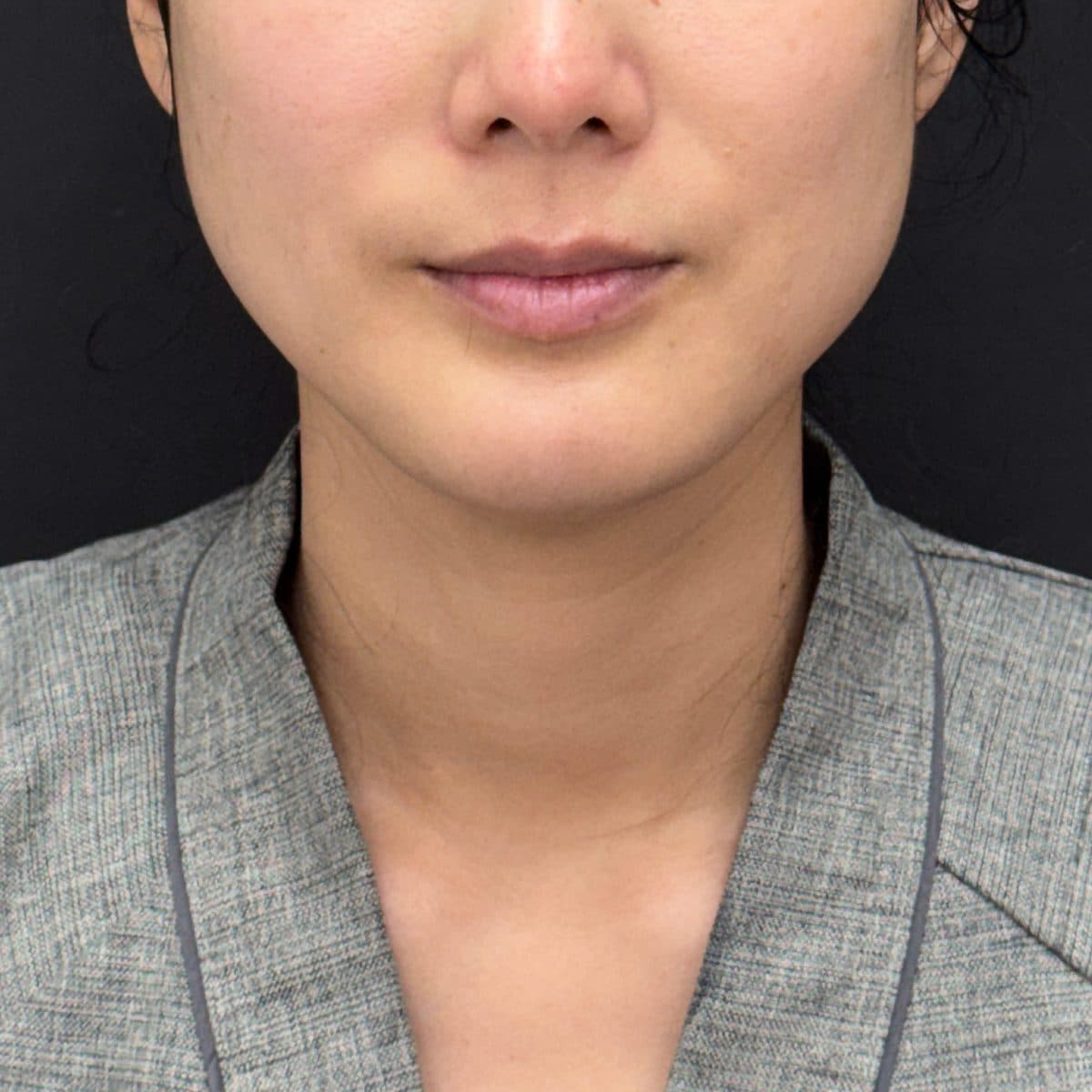
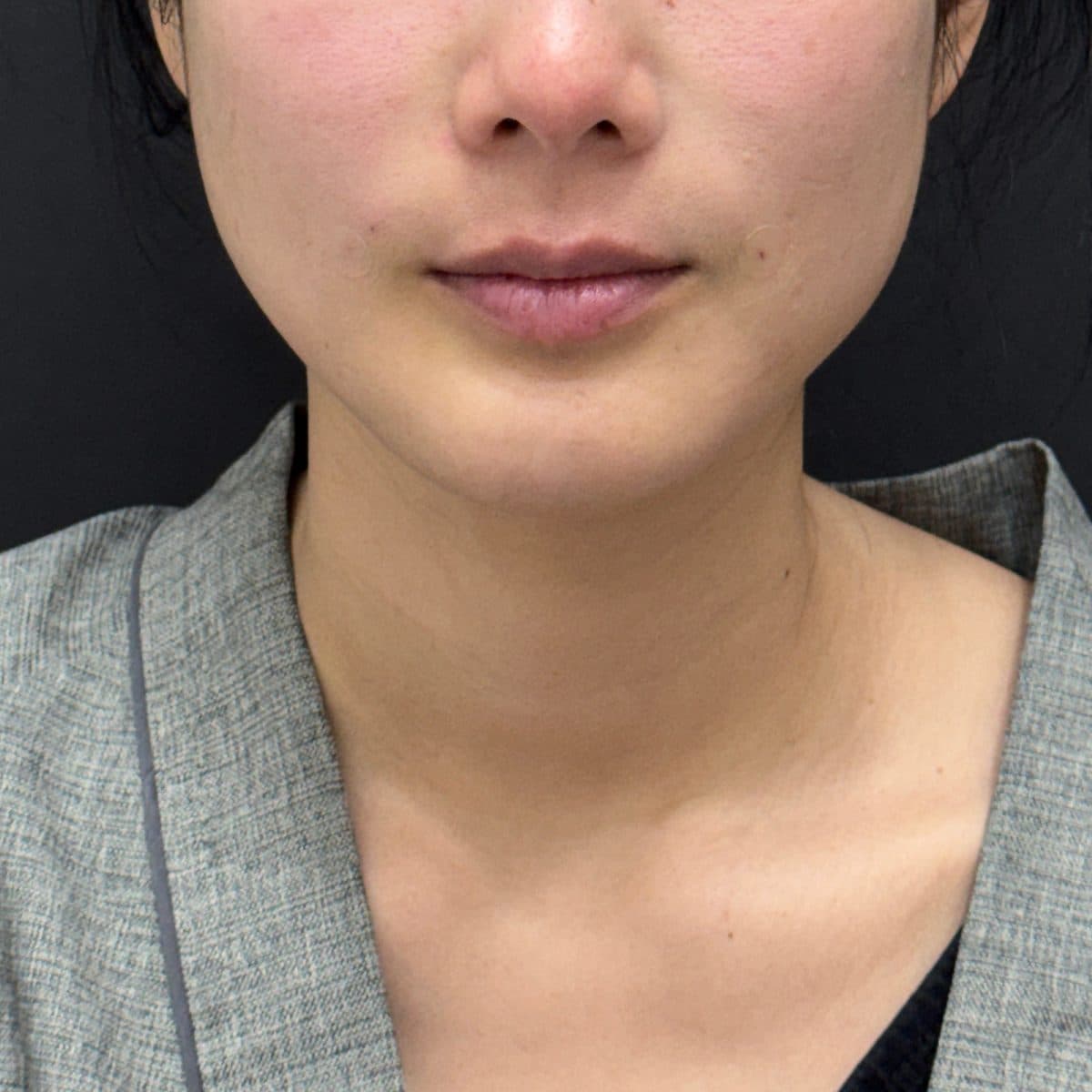
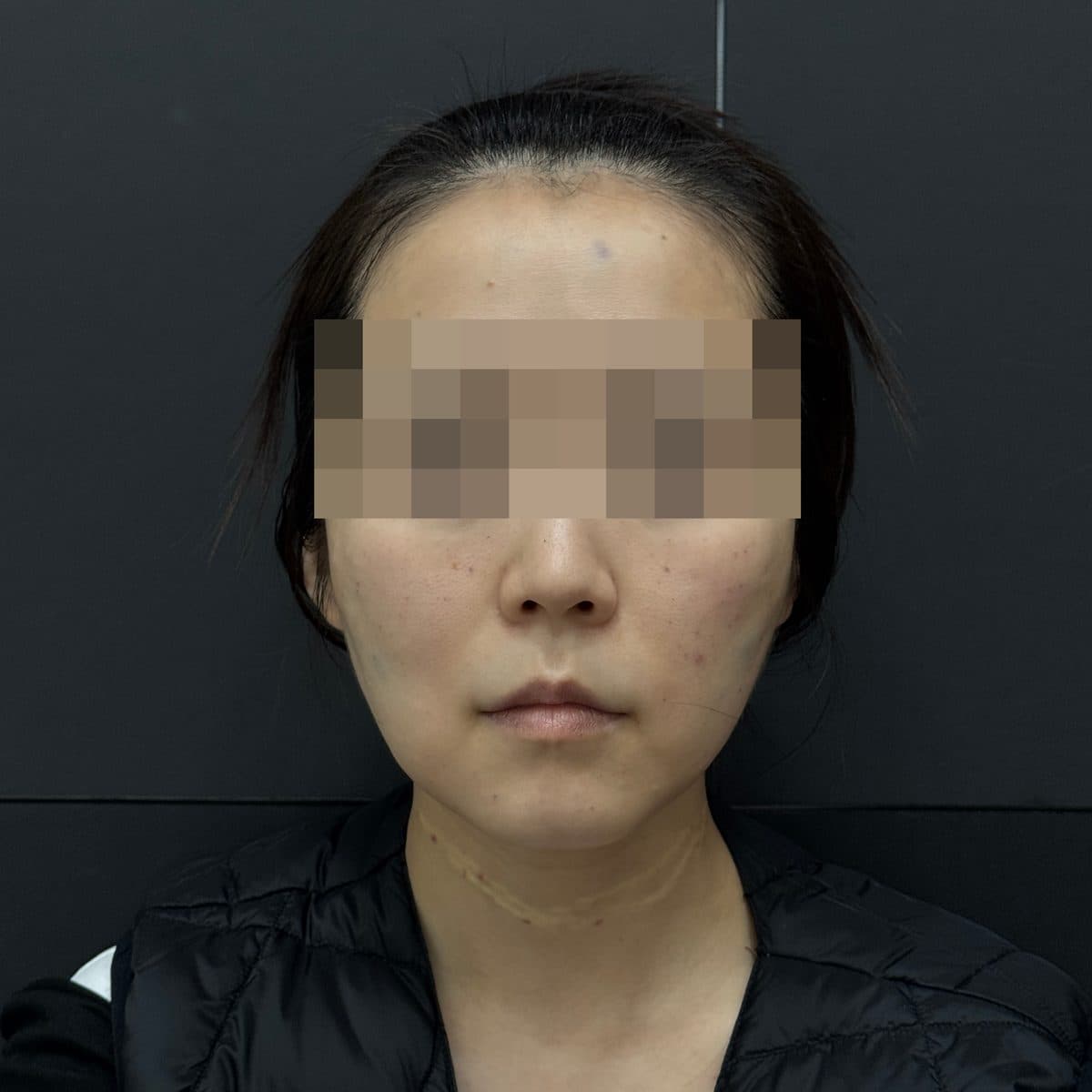
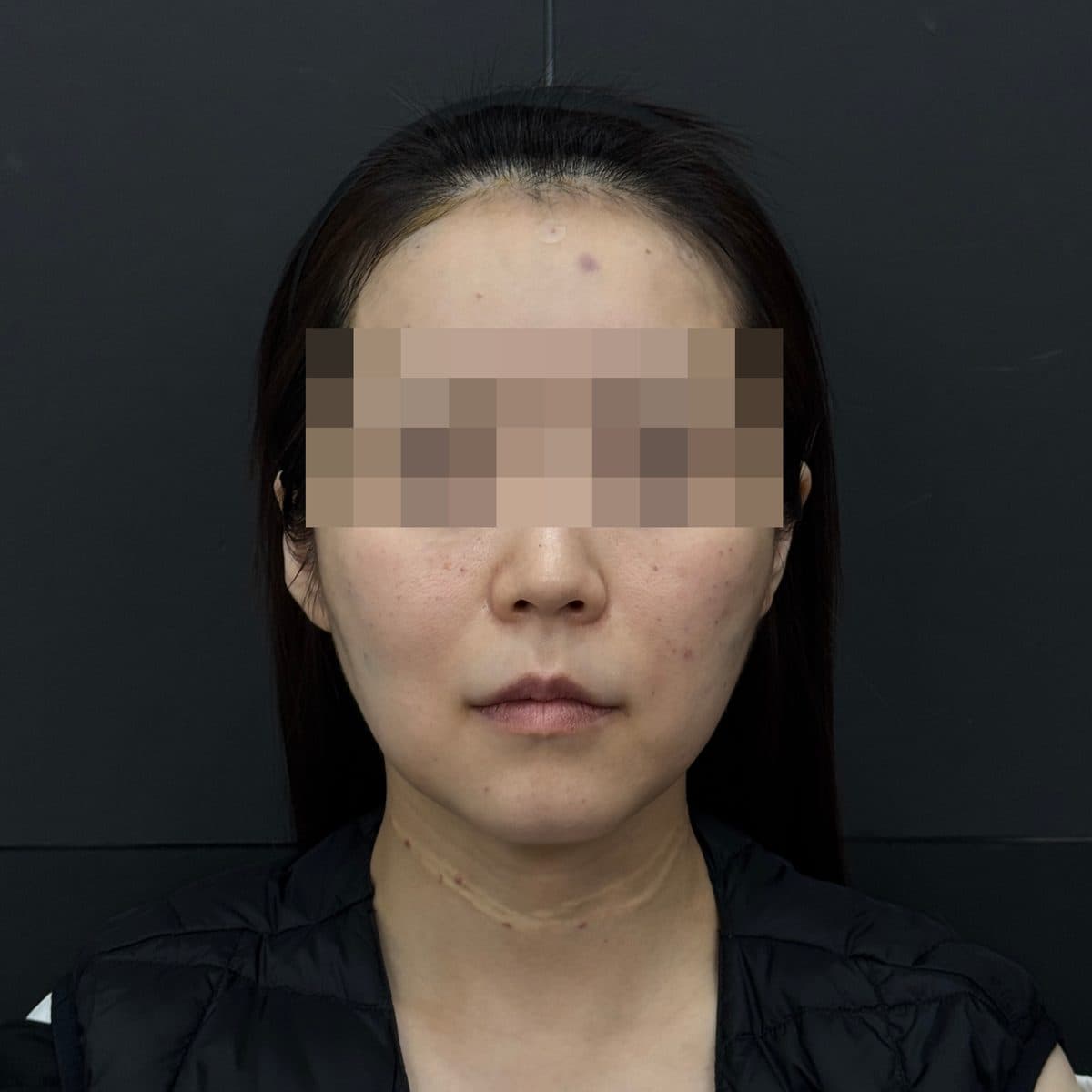
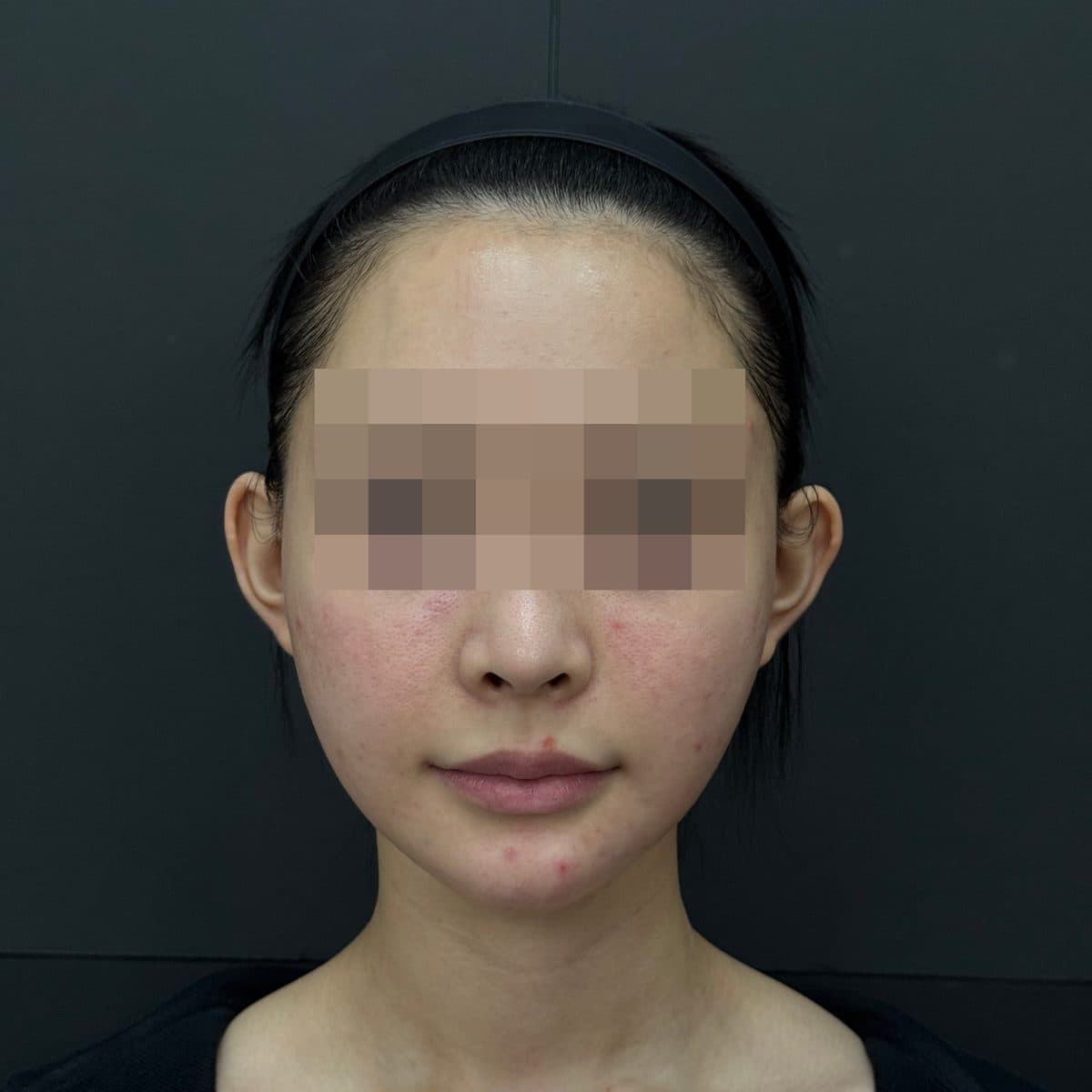
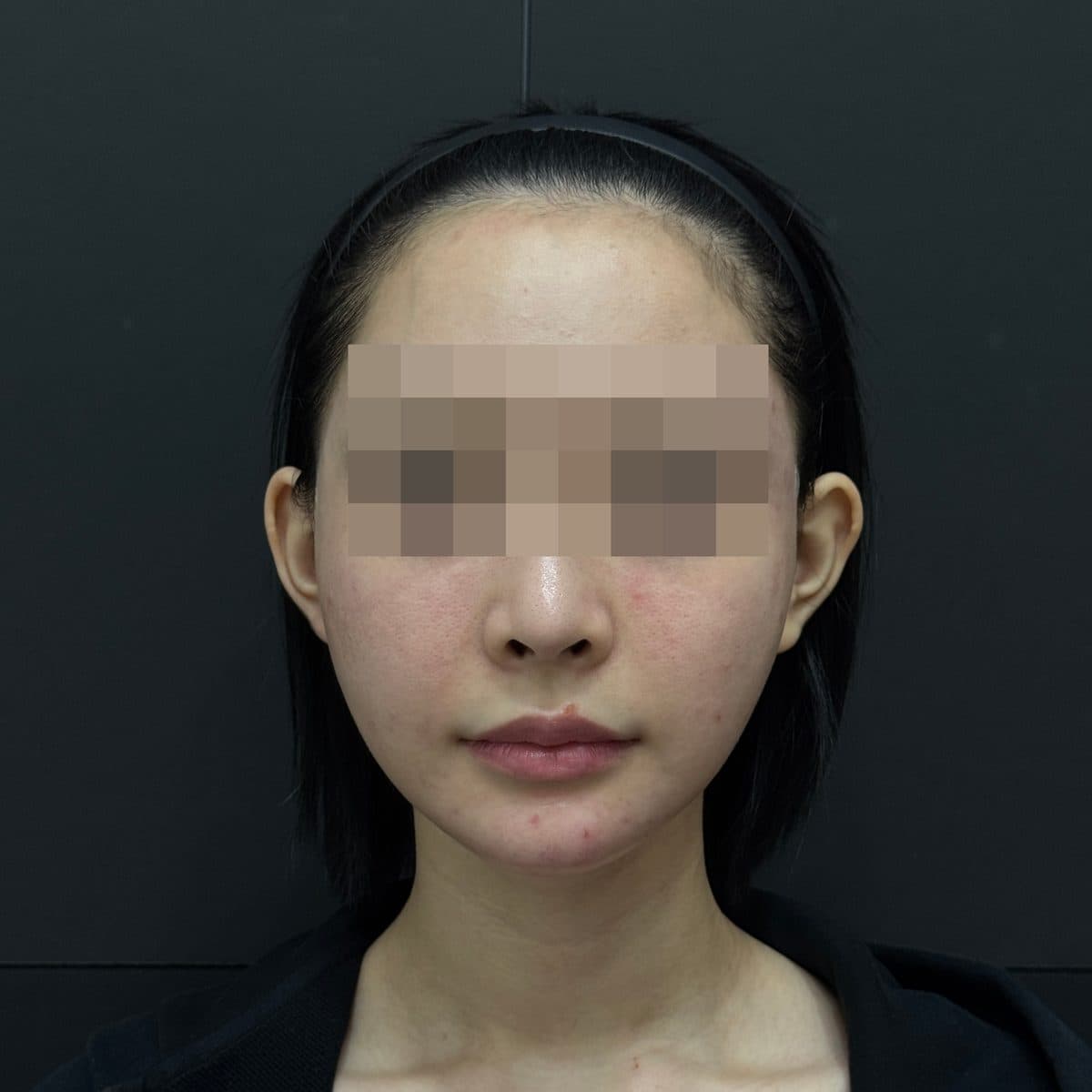
Real HERA patients, shared with consent. Individual results vary.
Can you inject collagen directly instead?
Yes — and the newer products use human-derived collagen rather than animal collagen. To solve that waiting problem, the idea became: why not put collagen in directly? Around twenty years ago, collagen from pigs and cows was injected. At that time the technology to purify and process it was weaker, so allergic reactions occurred, and it fell out of use.
More recently, injecting collagen derived from human tissue has become popular. It is collagen, but in essence it is human dermis that has been processed and finely ground. The best-known of these ECM collagen boosters is Re2O, known in Korea as Lituo, and there are three or four similar products on the market.
This is not an entirely new material. Surgeons have used acellular dermal matrix in operations for a long time; what is new is grinding it finely for aesthetic injection. If you want to hear a patient's view, this Re2O human collagen review describes a first session at HERA.
Filler, booster or both?
Send a front and a side photo and tell us what you'd like to change. We'll tell you which areas need filler, which a booster would handle better, and which we'd leave alone.
What exactly is a skin booster?
"Booster" means accelerating something — so a skin booster is a general term for injections that improve the skin's texture, glow and hydration. And this is a field where Korea has been writing the history. The term and the concept of a "skin booster" did not really exist before. To treat wrinkles and pores, clinics used laser devices and Thermage — technology developed abroad and imported.
Then, about ten years ago, a Korean product became a hot topic: Rejuran. With it came the idea that injecting a solution directly into the skin could, within a short time, give the skin glow, shrink pores and brighten it. Rejuran is the first-generation skin booster, and it is still in huge demand — many international patients come to Korea specifically for it.
After Rejuran came Juvelook and exosomes, and more recently the ECM skin booster category, which started with Re2O — and as far as we know, Korea was almost the first there too. Hyaluronic acid has also been adapted: products such as Hylo-Wave use the same hyaluronic acid found in most fillers, but in a skin-booster form. Together, injecting directly into the skin to improve tone, add hydration, shrink pores and reduce inflammation is what we mean by a skin booster. Not everyone needs one — when we say no to Korean skin boosters explains why.
At a glance
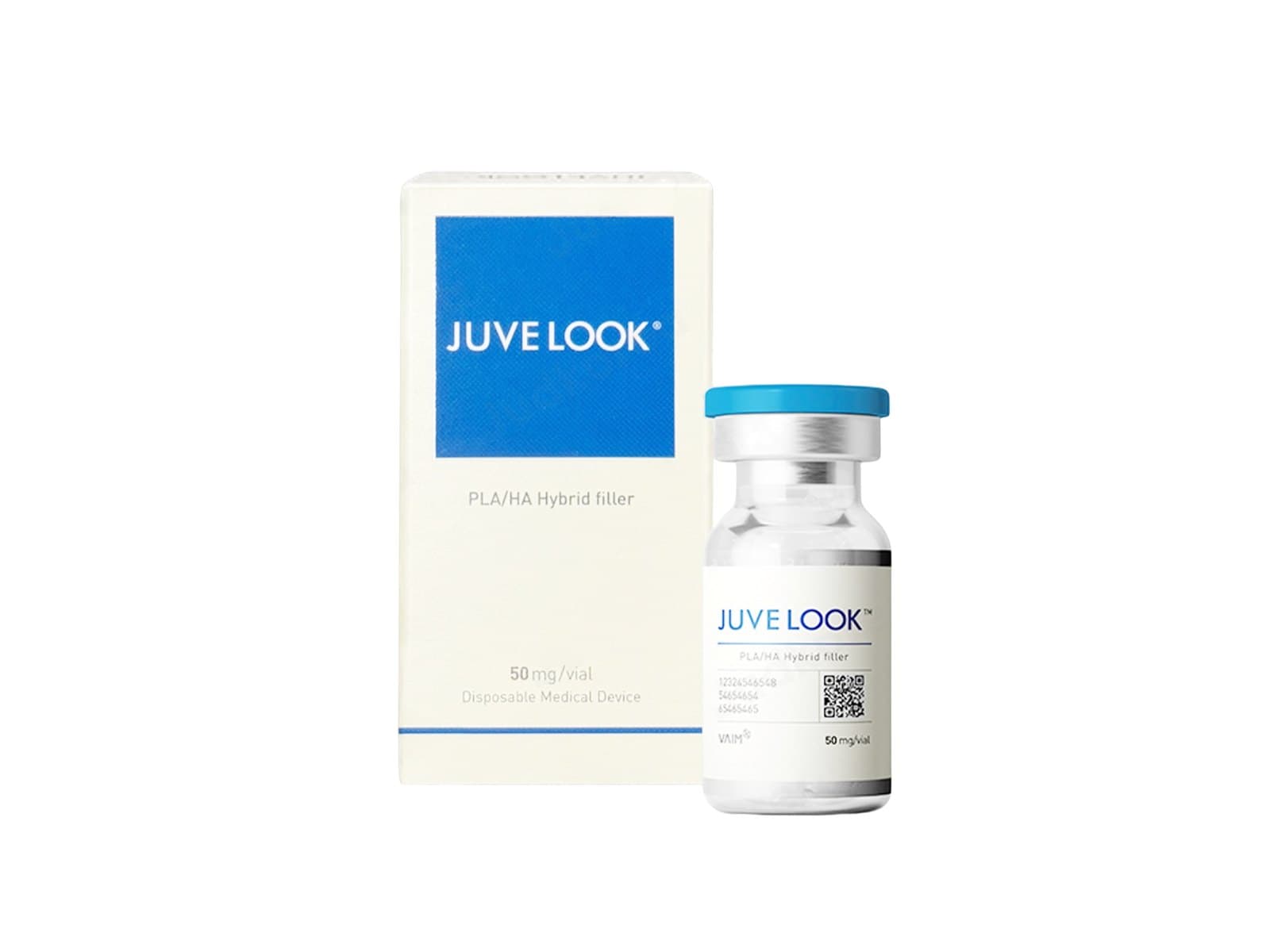
Juvelook
Treatment time · Within about 10–20 minutes
Recovery · Mild redness, swelling, small bumps or occasional bruising at injection points may occur and usually subside within a few days. Gentle massage of the area may be advised, and most people can resume daily activities soon after.
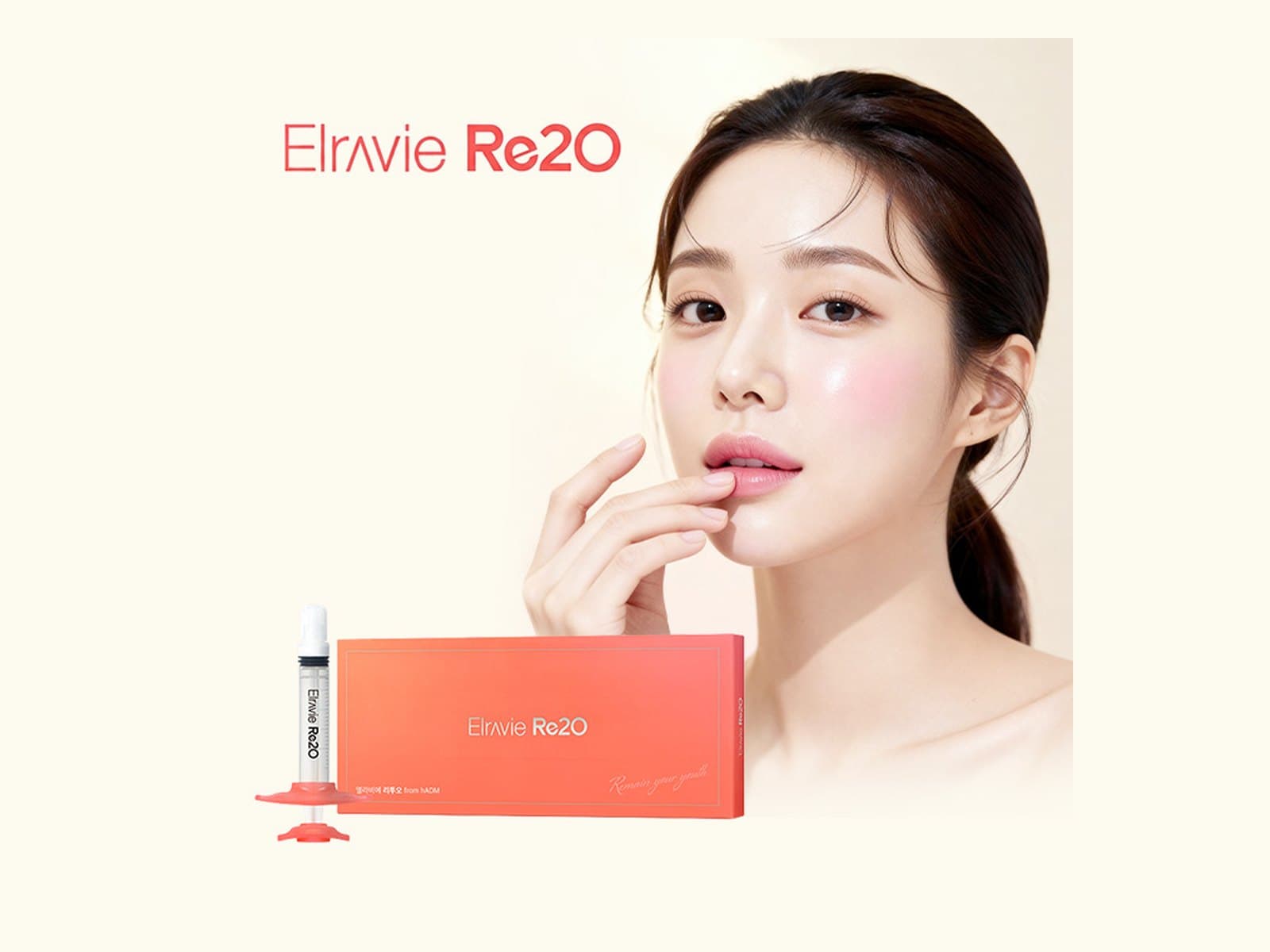
Re2O
Treatment time · About 30 minutes
Recovery · Only a topical anesthetic cream is used, so most patients can return to everyday activities the same day. Because it uses a highly purified acellular matrix, the risk of foreign-body sensation and inflammation is low; brief redness or small injection bumps may occur and usually settle quickly.

General Facial Fillers
Treatment time · 10–15 minutes
Recovery · Minimal — most patients resume daily activities immediately. Mild swelling, redness or bruising may appear and usually settles within 2–3 days.
When do you still need filler?
For firm volume in deep grooves and structural areas — the nasolabial fold, the nose bridge, the chin and the forehead. Fillers range from very soft to medium-hard. The soft territory that filler used to cover is increasingly being taken over by collagen boosters. Treatments that target skin quality and the dermis are mainly the job of skin boosters. But where strong volume is needed, filler is still the tool.
So we choose by three things for each area: location, how firm the support needs to be, and the volume goal. Depending on those, we either combine the three types or choose one. One HERA patient's fold treatment is described in this nasolabial fold filler review, and the basics of a first visit are in the first-timer's guide to fillers in Korea.
The honest limits
None of these three is a lift, and none gives a guaranteed result. Filler is immediate but not permanent; collagen boosters are gradual and vary with how your skin responds; skin boosters improve quality, not structure. All of them can cause temporary redness, swelling, small bumps or bruising. If the real problem is sagging, Dr. Lee may recommend a lifting treatment instead. We'll explain what we expect for your face once we've seen it.
If these terms still feel confusing, that's normal. Leave a question under the video or message us, and we'll answer.
Treatments discussed in this video
- JuvelookThe PLLA-family collagen stimulator on our menu (PDLLA), for skin quality and — as Juvelook Volume — soft volume.
- Re2OHuman-derived ECM collagen booster for those who don't want to wait for collagen to build from scratch.
- General Facial FillersHyaluronic acid filler for firm, structural volume where a booster cannot do the job.
- RejuranThe first-generation Korean skin booster, for texture, hydration and repair.
Read next
FAQ
Frequently asked questions
Q1Is PLLA (Sculptra) a filler?
Not in the usual sense. PLLA is a collagen booster: it goes in, stimulates your skin to make its own collagen, and then disappears. Filler sits where it is placed and gives volume immediately. PLLA results build over weeks and usually need two or three sessions.Q2How long does a collagen booster take to work?
Collagen needs at least four to six weeks to form. That is why collagen boosters are usually given in two or three sessions, while a single filler session can reach roughly 80–90% of the volume you want.Q3What is the difference between a collagen booster and a skin booster?
A collagen booster aims to raise your own collagen, often for soft volume and firmness. A skin booster targets the quality of the epidermis and dermis — texture, glow, hydration, fine lines and pores. Some products overlap, but the goal is different.Q4Do I still need filler if I have collagen boosters?
For firm volume, yes. Deep folds, the nose bridge, the chin and the forehead still need filler. Collagen boosters increasingly take over the soft volume that soft fillers used to cover, and skin boosters handle skin quality. Many plans combine them by area.Q5Is human collagen injection safe?
About twenty years ago, porcine and bovine collagen injections caused allergic reactions, partly because purification was less advanced. Today's products use human-derived collagen — essentially processed acellular dermis — which is designed to reduce that risk. Your history is still checked before any injection.
This article explains general treatment principles and is not a diagnosis. Results and suitability vary from person to person; your doctor will decide after an in-person consultation.
Written by
The doctor behind this video
Gangnam HERA
Director
Dr. Jong Seon Kim
Dr. Kim looks at the whole face before planning anything, then explains what will change and what won't. If a treatment isn't the right fix for your concern, you'll hear that at the consultation.
How this doctor works
- Looks at the whole face first, and tells you when a treatment isn't the right fix.
- Plans the amount and placement for your face rather than one formula for everyone.
- Board member of the Korean Society of Aesthetic Surgery and the International Petit Medical Society.
Education & memberships
- Director, Gangnam HERA Plastic Surgery Clinic
- Board Member, Korean Society of Aesthetic Surgery (KSAS)
- Board Member, International Petit Medical Society
- Full Member, American Society for Aesthetic Plastic Surgery
- Executive Course, Graduate School of Public Health, Seoul National University
Creator visits
Real visits, reviewed by the doctor
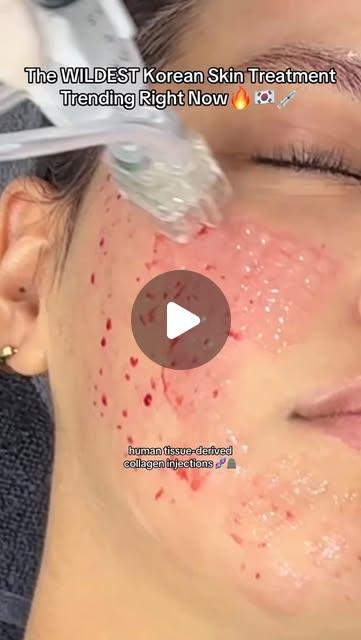 @valeeedgalRe2O (RE20) Human-Derived Collagen Skin Booster
Re2O vs Salmon DNA Boosters — A Real Patient Review
Dr. Jin Yi Han explains @valeeedgal's Re2O case: what a human-derived collagen booster really is, how it differs from salmon DNA and hyaluronic acid boosters, and who it suits.
#Re2O#RE20#리투오Read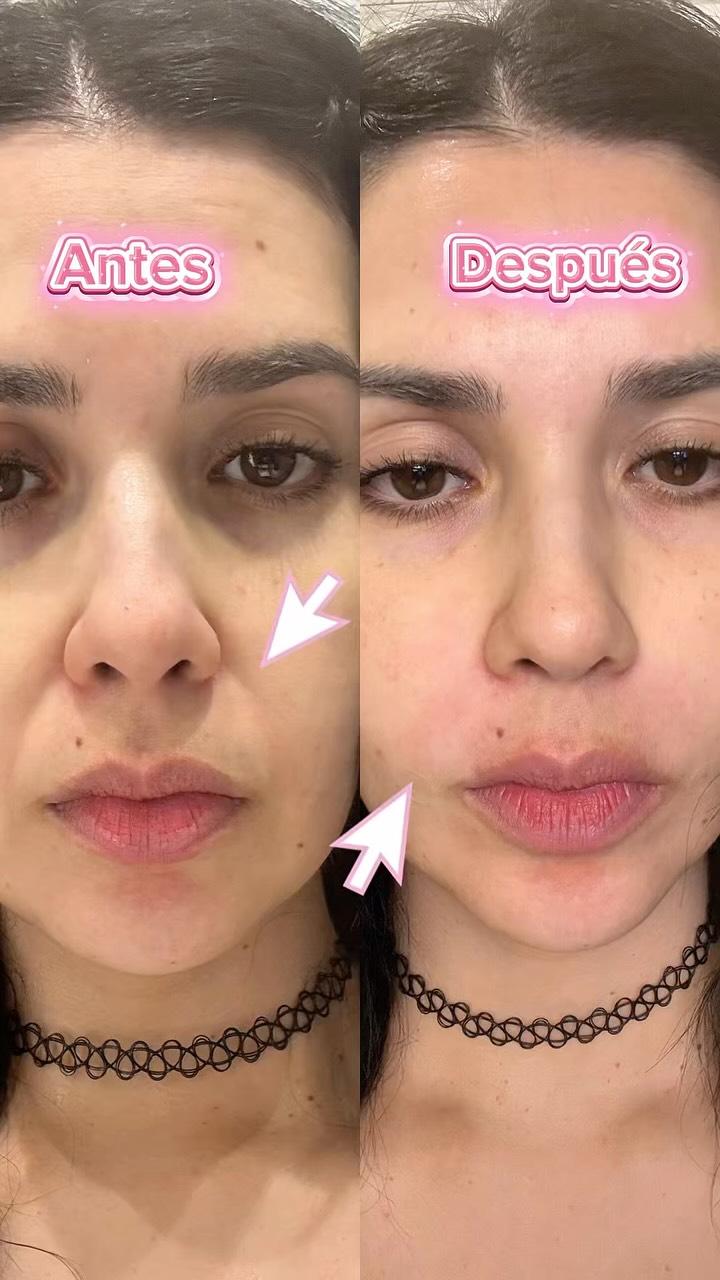 @paulafrancisca.hNasolabial Fold Filler (Hyaluronic Acid)
Nasolabial Fold Filler — A Real Patient Review
Dr. Jin Yi Han walks through Paula's nasolabial fold filler: the face scan, why the deeper right side received a little more, how the session ran, and what to expect afterwards.
#NasolabialFolds#SmileLines#DermalFillerRead @mei.meimaLip Filler + Chin Filler (Combined Lower-Face Plan)
Lip and Chin Filler in One Visit — A Real Patient Review
Dr. Jong Seon Kim explains Mei's lip and chin filler visit: why the two areas are planned as one lower-face unit, how the session runs, and what her Day 1 and Day 2 photos show.
#LipFiller#ChinFiller#LowerFaceBalanceRead
HERA Journal
More from the blog
 Skin boosters
How Long Does Rejuran Take? Chair Time, Bumps and Trip Days
A Rejuran visit usually takes half a day at most, and the small injection bumps typically flatten within one to three days. The full course takes longer: sessions are spaced two to four weeks apart.
8 minRead → Skin boosters
When Does Rejuran Start to Show? Bumps, Weeks and Your Flight
Rejuran's injection bumps usually settle in a day or two and hydration often shows within weeks, while texture changes build over a course. Dr. Jong Seon Kim on which day of your Seoul stay to book it.
8 minRead → Skin boosters
How Long Does Rejuran Last? Months, Sessions and Trip Days
After a course of about three sessions spaced weeks apart, Rejuran's effect commonly holds for six months to a year. The bumps settle in one to three days, so session spacing shapes your trip more than downtime.
8 minRead →
HERA TV
More long-form videos
 4:41
Skin Treatment in Summer: Is It Safe in Korea's Heat?
 Dr. Jong Seon Kim
 4:20
Korean Filler: Why Less Looks Better — and How Filler Dissolves
Dr. Jong Seon Kim 4:39
Skin Analysis in Seoul: What AI Shows, What a Doctor Decides
Dr. Jong Seon Kim 4:40
Korean Bridal Facial Plan: Glow, Neck and Arms One Month Out
Dr. Jong Seon Kim 5:20
Korean Lip Filler: The Lip Ratio a Surgeon Looks For
Dr. Jong Seon Kim 6:56
Unlicensed Filler Injections: The Real Risks, From Two Doctors
Dr. Jong Seon Kim
YouTube Shorts
One-minute answers from our doctors
Our doctors answering common questions. Tap to play.
Questions after watching?
Send a front and side photo on WhatsApp — the doctor will tell you honestly what they would recommend, and what you don't need.
Ask the doctor on WhatsApp