Korean Face Slimming Without Surgery: When Threads Are Enough
Dr. Jong Hoon Lee of Gangnam HERA explains why so many patients fly to Korea for a no-surgery V-line, how a thread lift actually holds the face up, and the three kinds of face where threads work, need help, or should give way to surgery.
 Dr. Jong Hoon Lee · Gangnam HERA7 min read
Turn on CC for English subtitles.Watch on YouTube ↗
On this page
I'm Dr. Jong Hoon Lee, a doctor at Gangnam HERA in Seoul. I have been in practice for more than 25 years, I co-wrote the textbook LIFTINGOLOGY: Science and Clinical Practice in Aesthetic Medicine, and I have taught more than 20 hands-on thread-lifting seminars and live demonstrations for other physicians. In this episode of our talk series with my colleague Dr. Jong Seon Kim, he asked me the questions patients ask most about getting a slimmer face, and I answered them using real before-and-after photos.
My short answer: many people who search for face slimming surgery do not need surgery. If the face looks wide because tissue has dropped, a thread lift can give a slimmer, more oval line — but if laxity is severe, surgery is the honest answer.
Why do so many people come to Korea for a no-surgery V-line?
Because word has spread that threads can sharpen the lower face without an operation, and patients arrive already well informed. Our domestic patients ask for it, and so do patients from Japan, China, Southeast Asia and further afield. Most of them have researched before they come.
The wish behind the search is almost always the same, at any age: a face that looks a little smaller, a little firmer, a little more oval. There is a ladder of ways to approach that, from simple injections, to energy devices such as Ultherapy, Titanium and Thermage, to thread lifting, and finally to facelift surgery. A large share of the people who ask me about threads have already had a device lift and felt "it wasn't very dramatic." They want more than a device can give, but surgery feels frightening. Threads sit exactly in that gap.
 01
How a thread lifts the face
 02
Who suits a thread lift
 03
Threads or surgery? Three real faces
Why are people in their twenties getting thread lifts?
Because a thread lift is not only for sagging — it can refine the jawline and turn a square-looking face into a softer oval. We usually picture sagging as a problem of the forties and fifties, but in recent years the number of patients in their twenties asking for threads has grown a lot.
They do not have heavy jowls. What they want is proportion: an inverted-triangle face, a cleaner jawline, a V-line. When threads lift the lower face slightly, an angular face looks narrower and the outline becomes neater. For these younger faces the plan is lighter, because we are refining a line rather than holding up heavy tissue. If your lower face looks wide mainly because of fat rather than position, a fat-reducing injection may do more than threads — which V-lift method suits which face compares the two.
What is a thread lift, and how does a thread hold the face up?
A thread lift places fine medical threads under the skin to pull sagging tissue back up and hold it there. There are many kinds of thread, made from different materials, in different shapes and sizes, and each is chosen for a purpose: some mainly lift, some add firmness, and some are said to add a little volume.
To understand why it works, think about how the face ages. The face is held in place by retaining ligaments. With time they stretch, gravity wins, and the outline of the face shifts from an inverted triangle toward a triangle or a square. You can see this yourself: lying down, most faces look noticeably more V-shaped; sitting or standing, the tissue drops and the face looks heavier. Once threads are in, they help the face keep something close to its lying-down shape when you are upright.
Real results
Before and after photos of the treatments discussed above.
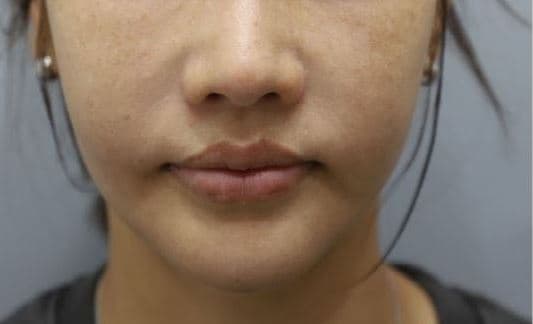
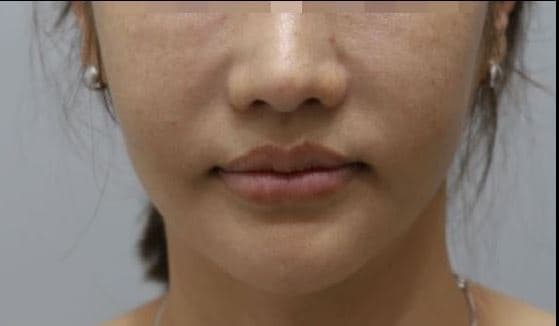
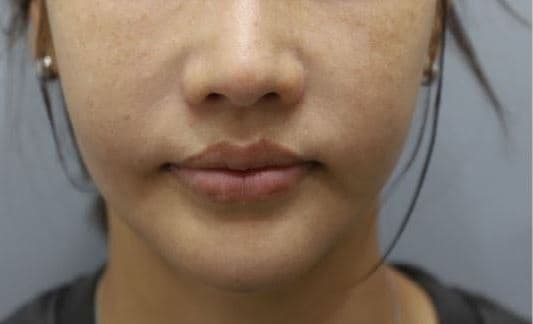
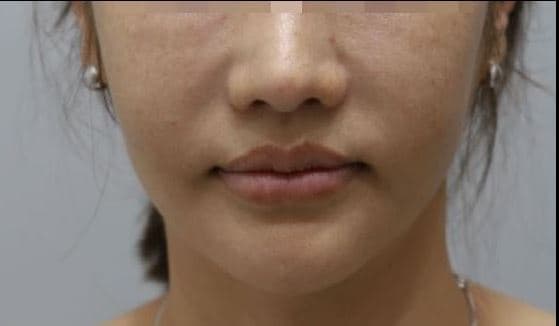
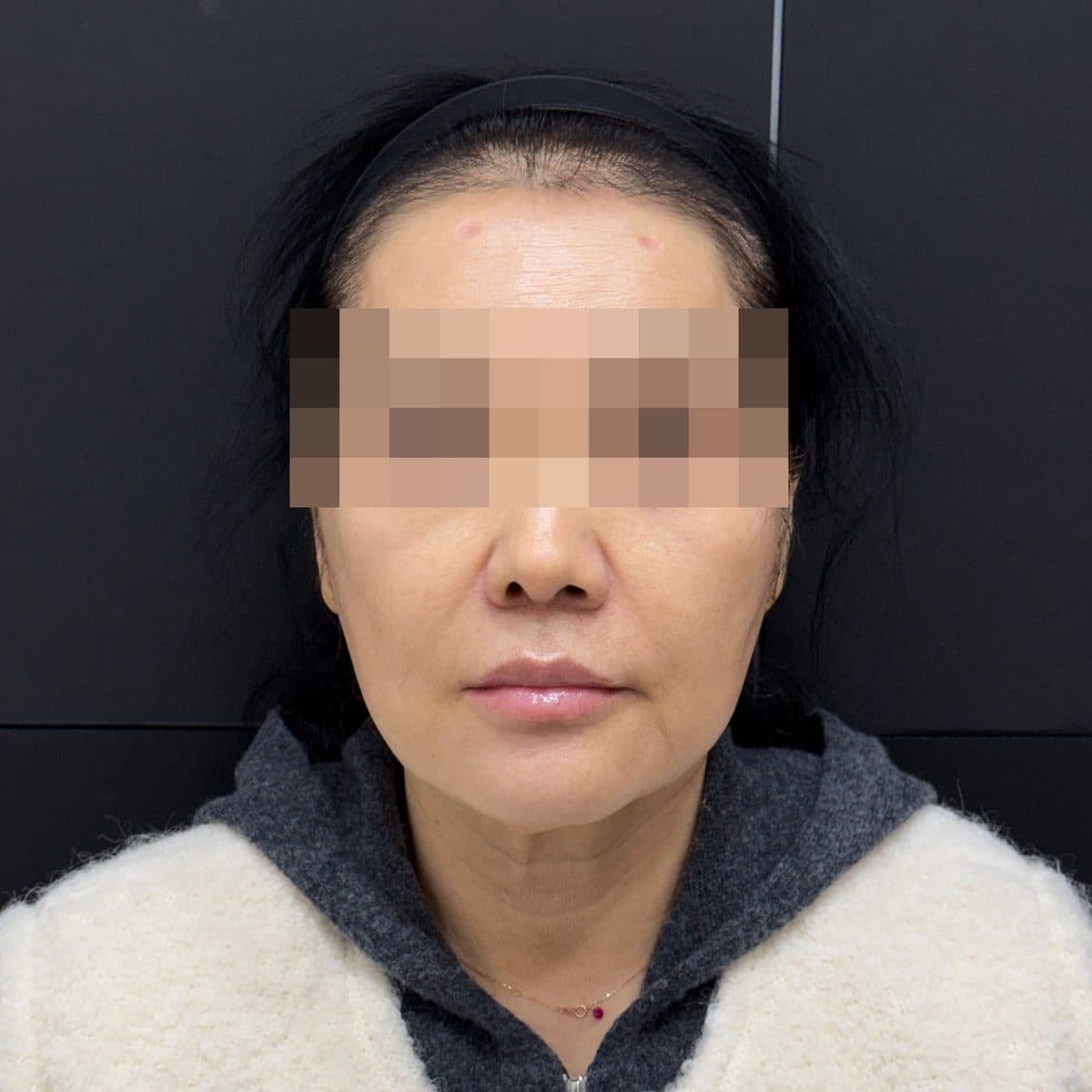
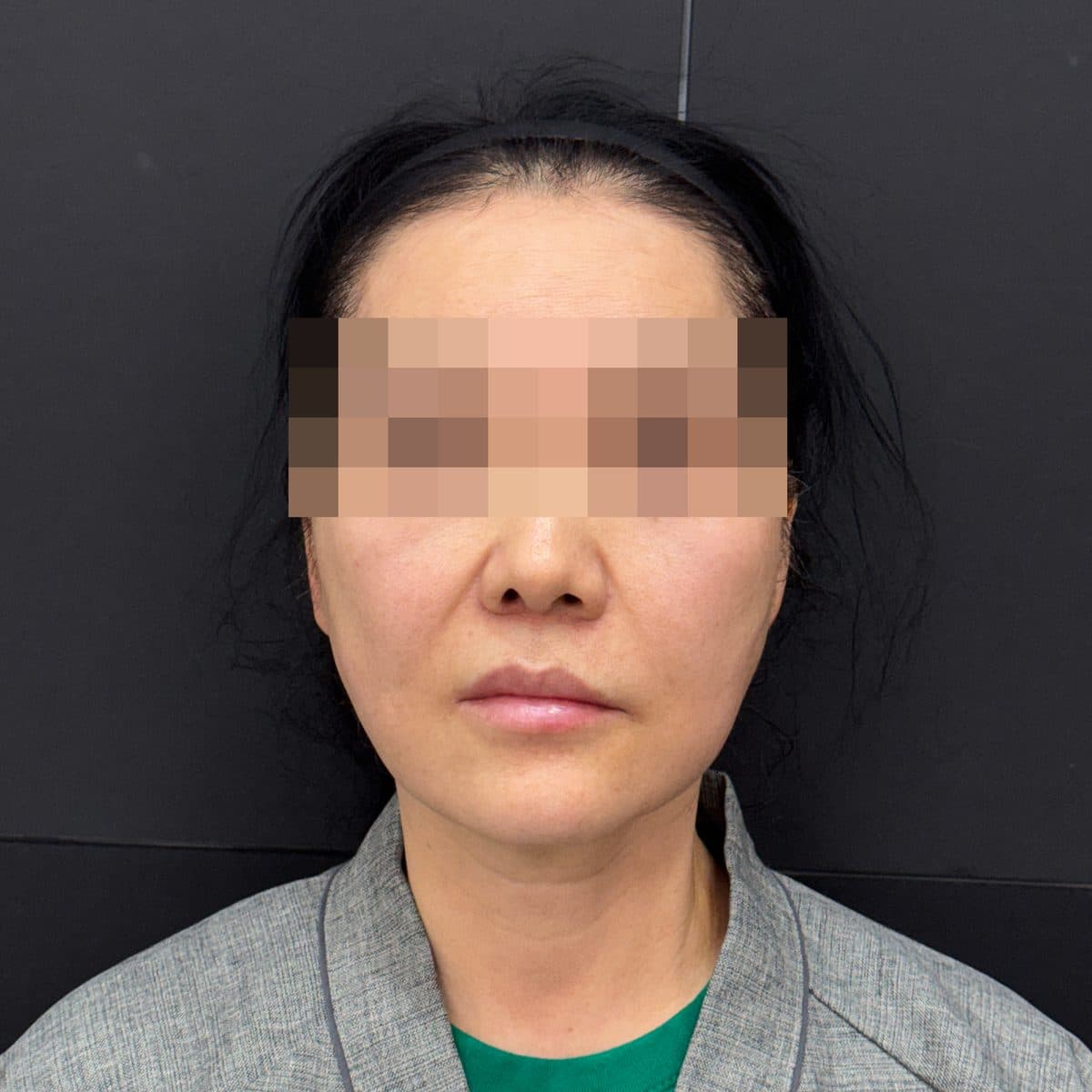
Real HERA patients, shared with consent. Individual results vary.
Are dissolving threads better than permanent ones?
For most patients, yes — today well over 95% of the threads I see used are absorbable, and that is for good reasons. Thread lifting began in the 1990s with a Russian physician. The first lifting threads, the early Aptos threads, were cut by hand to create small barbs, and they did not dissolve; the idea was that a permanent thread would give a permanent result.
Permanent threads do last somewhat longer. But by around two years their effect has also dropped considerably, and then you face placing new threads on top of many old ones that are still there. That is why dissolving threads became the standard. Today's Aptos threads, for example, are absorbable P(LA/CL) threads — you can read how they work on our Aptos Thread Lift page.
Absorbable threads have their own limit. PDO, one of the most widely used materials, has many advantages, but it breaks down in about six months. So manufacturers have developed threads that last longer, and in practice I often combine a basic thread with a longer-lasting one.
Who is a good candidate for a thread lift?
People whose main problem is tissue that has dropped: loose jowls, deepening smile lines, and marionette lines below the corners of the mouth. Because the core idea of threads is to lift what has slid downward, these are the classic indications.
- Jowls and lower-face sagging — the most common reason patients come.
- Nasolabial folds that have deepened as the cheek drops.
- Marionette lines — the creases running down from the mouth.
- Drooping brows — threads in the forehead can lift a brow that has dropped onto the eyelid, or that sits very close to the eye, without a large operation.
- A square or wide-looking lower face in younger patients who want a softer oval.
Threads do have side effects and limits — temporary swelling, tightness, small bruises and, occasionally, dimpling or a visible thread — which are covered in our thread lift patient guide.
Threads, or something else?
Send me a front and a side photo, ideally one sitting up and one lying back. I'll tell you whether your face looks wide because of position, fat or structure — and whether threads would actually help.
At a glance

MINT Thread Lift
Treatment time · 20–30 minutes
Recovery · Usually short. Mild swelling, tightness or small bruises near the insertion points may appear and usually ease within a few days. Avoid strenuous facial movement for a short period.
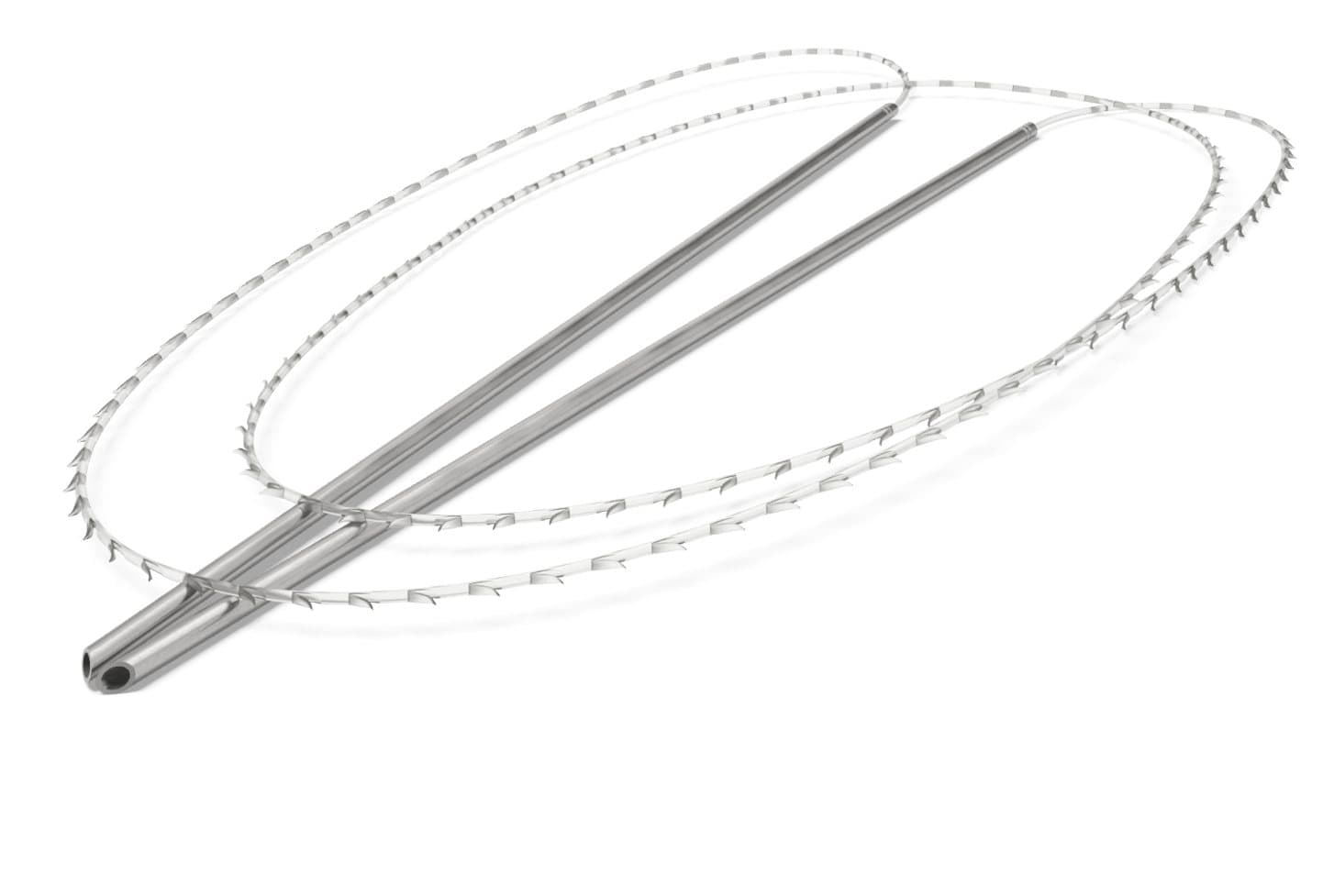
Aptos Thread Lift
Recovery · Mild swelling, tightness or small bruises around the entry points may appear and usually ease within a few days; strenuous facial movement is best avoided briefly.

Silhouette Soft Thread Lift
Treatment time · 30–60 minutes
Recovery · Usually short. Mild swelling, tightness or small bruises near the insertion points may appear and usually ease within a few days. Avoid strenuous facial movement for a short period.
Thread lift or facelift: how do I know which one I need?
It is a matter of degree: the more laxity, the more volume and the longer the result you want, the more the answer moves from threads toward surgery. In the video I walked through three real faces to show where that line falls.
A woman in her thirties: threads alone
Her face was already fairly oval, but after threads it became a clearer inverted triangle, a sharper V-line, and her smile lines softened as well. This is the kind of face where a modest number of threads makes a visible difference.
A woman in her early fifties: threads plus a little filler
She was bothered by her nasolabial folds, by the groove that runs down across the front of the cheek, and by marionette lines. She needed more threads than the first patient, and I placed extra threads along the lifting vectors that pull the marionette area up. Where a groove remained after lifting, I added a small amount of filler. Lifting and filling solve different problems — lifting repositions, filler replaces lost volume — and many faces need a little of both.
A woman in her late sixties: surgery was the right choice
The third photo showed a much older face with a lot of facial fat, heavy laxity, marked neck lines and deep folds. Simply pulling sagging tissue upward in a face like this gives a short-lived result. If a younger patient might have six to eight threads on each side, the same number in this face gives less effect and does not last. For her, facelift surgery — together with reducing the fat in the cheeks and under the chin — was the appropriate plan.
So my rule is simple. If the sagging is severe, if there is a lot of volume to lift, or if you want the result to last much longer, surgery is the better fit. The lifting treatments on HERA's treatment pages are non-surgical, so if your face is in that third group, I will tell you plainly rather than sell you threads that will not hold. Four checks for jowls, laxity and downtime goes into that decision in more detail.
Why does the doctor matter more than the thread?
Because with the same thread and the same number of threads, results can differ enormously depending on who places them and how. Of all the injection and device treatments for a younger-looking face, thread lifting is the one where technique shows most: the direction of each vector, the depth, the anchoring, and knowing where not to place a thread.
The trend I see is clear. Patients increasingly avoid anything painful, with long swelling or a long recovery, and prefer a procedure with less discomfort and a visible result. That is a reasonable choice for the right face. If you choose threads, choose someone who has placed a great many of them. The complete thread lift guide covers recovery and planning a trip around treatment.
The honest limits
A thread lift is not surgery, and it is not permanent. It repositions tissue and supports it while the threads are in place and the collagen around them forms; it does not remove excess skin, and it does not reduce bone or large amounts of fat. Swelling, tightness and some discomfort when opening the mouth wide are common for the first days. How much lift you get, and how long it holds, varies from person to person, and we confirm the plan — which threads, how many and where — at your consultation. International patients pay the same as local patients, and an English interpreter is with you throughout.
If your face is in the large middle group — not severe enough for surgery, not satisfied with devices alone — threads are often the most efficient step. You can see real HERA results in our before-and-after gallery.
Treatments discussed in this video
- MINT Thread LiftAbsorbable threads placed along vectors planned for your face, combined with energy devices for firmness that builds over months.
- Aptos Thread LiftBarbed P(LA/CL) threads for early jawline and cheek sagging — the modern, absorbable descendant of the first lifting threads.
- Silhouette Soft Thread LiftPLA cone threads for a collapsed jawline when you want a clear lift through a procedure rather than surgery.
- Sok-Sok Face InjectionWhen the wide look comes from fat in the cheeks or under the chin rather than sagging, reducing fat may matter more than lifting.
Read next
FAQ
Frequently asked questions
Q1Can a thread lift slim my face without surgery?
Often, yes. When a face looks wide because the jawline has dropped or the lower face has gone square, threads that lift tissue back toward its original position make the face look narrower and more oval. If the width comes from bone or a lot of fat, threads alone will not change it much.Q2How long does a thread lift last?
It depends on the thread. Basic PDO threads dissolve in about six months, so I often combine them with absorbable threads designed to last longer. The lift fades gradually, and repeating the treatment over time tends to hold better than the first round.Q3Are permanent threads better because they last longer?
They do last somewhat longer, but in my experience their effect has dropped considerably by around two years as well, and adding new threads on top of many old permanent ones becomes a burden. That is why the large majority of threads used today are absorbable.Q4When is a facelift better than threads?
When skin laxity is severe, when there is a lot of facial volume to lift, or when you want a much longer-lasting result. In those faces the same number of threads gives less effect and a shorter result.Q5Am I too young for a thread lift?
Not necessarily. Many patients in their twenties have no real sagging but want a softer jawline and a more oval face. For them threads are about refining the line, and fewer threads are usually needed.
This article explains general treatment principles and is not a diagnosis. Results and suitability vary from person to person; your doctor will decide after an in-person consultation.
Written by
The doctor behind this video
Gangnam HERA
Doctor
Dr. Jong Hoon Lee
Dr. Lee starts by finding where the change in your face actually comes from, the skin, the fat pads or the structure underneath, and builds the plan from there.
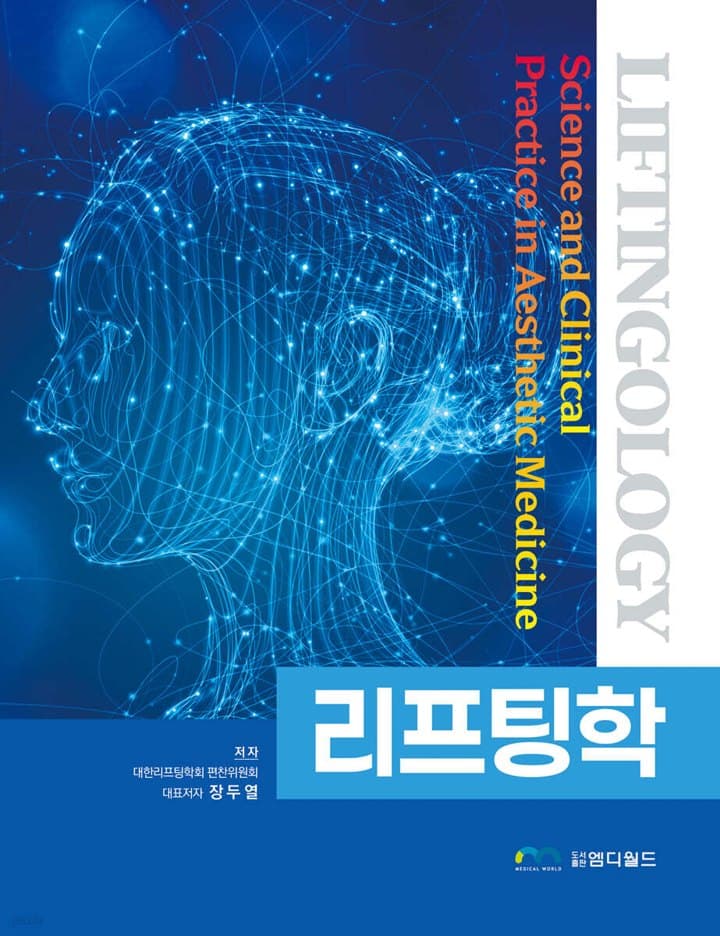 Co-authorLIFTINGOLOGYScience and Clinical Practice in Aesthetic Medicine
How this doctor works
- Finds where the change comes from before planning anything.
- Combines treatments in one plan when one alone won't do the job.
- 25+ years in practice. Clinical instructor at the 2023 KAFC cadaver workshop and recipient of the Minister of Health and Welfare Award.
Education & memberships
- College of Medicine, Chungnam National University
- Recipient, Minister of Health and Welfare Award for Outstanding Contribution to National Health Improvement
- Clinical Instructor, 2023 KAFC Cadaver Workshop
- Board Member, Korean Society for Aesthetic Surgery
- Co-author, LIFTINGOLOGY: Science and Clinical Practice in Aesthetic Medicine
Creator visits
Real visits, reviewed by the doctor
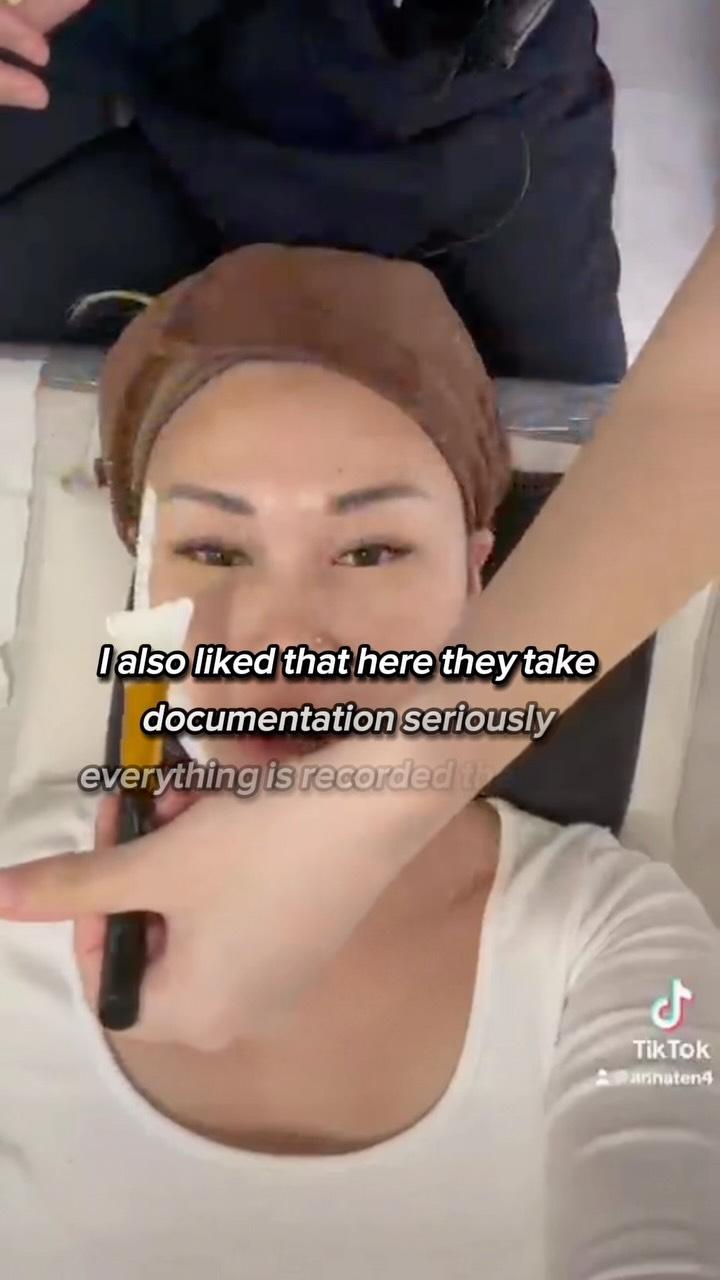 @annatenx10THERA (HIFU) Lifting — Facial Contour Tightening
10THERA Facial Contour Without Filler — A Real Patient Review
Dr. Jong Hoon Lee walks through Anna's 10THERA case — how we chose the zones worth tightening to define her facial contour, without filler and without changing her features.
#10THERA#HIFULifting#FacialContourRead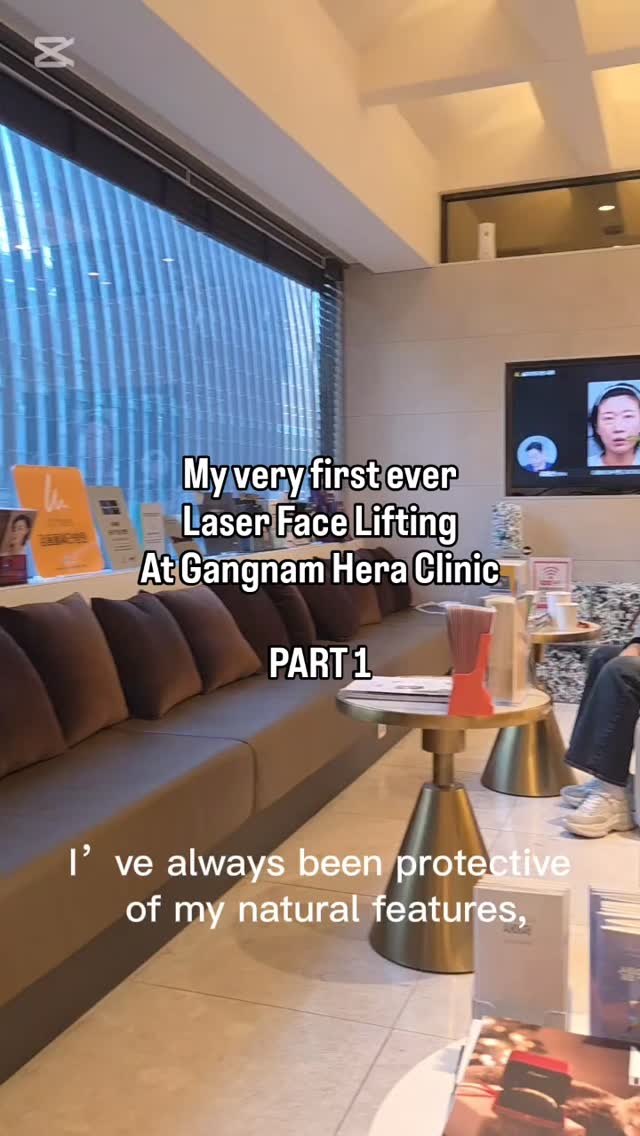 @yujin.in.seoul10THERA (HIFU) Non-Surgical Face Lift — Custom Face Mapping
10THERA With Custom Face Mapping: A Natural First Lift — Real Patient Review
Dr. Jong Hoon Lee explains Yujin's first non-surgical face lift — how custom mapping to her bone structure shaped her 10THERA session, and what to expect 14 days later.
#10THERA#NonSurgicalFacelift#FaceMappingRead @bydebbietan10THERA (HIFU) Lifting — Lower Face & Double Chin, 800 Lines
10THERA HIFU for a Double Chin, With a Nerve Block — Real Patient Review
Dr. Jong Hoon Lee explains Debbie's 800-line 10THERA session for her lower face and double chin — when HIFU suits a double chin, and why she chose a nerve block first.
#10THERA#DoubleChin#HIFULiftingRead
HERA Journal
More from the blog
 Lifting
Best Clinic for Ultherapy in Korea: What Actually Matters
The best clinic for Ultherapy in Korea is the one that uses genuine Ultherapy Prime, plans depth and lines for your face, has a doctor in charge and tells you when ultrasound lifting will not help. Dr. Jong Hoon Lee explains how to judge it.
7 minRead → Lifting
Where to Get Thermage in Korea: 6 Checks Before You Book
Choosing where to get Thermage in Korea comes down to a genuine FLX tip, an honest shot count, who holds the handpiece and a published price. Dr. Jin Yi Han walks through six checks to make before you book.
7 minRead → Lifting
Eye Thermage Cost in Korea: What Decides the Price
Eye Thermage cost in Korea comes down to the number of shots, whether you add the face, and what is included. Dr. Jong Hoon Lee explains each factor, what you should get for the price, and when it is not worth paying for.
7 minRead →
HERA TV
More long-form videos
 8:07
APTOS Thread Lift Review: A Real Case for Jowls and Double Chin in Her 60s
 Dr. Jong Hoon Lee
 5:29
Korean Pore Minimizer: Home Microneedling vs Clinic Potenza
Dr. Jong Hoon Lee 5:44
Thread Lift in Korea: What Hyaluronic-Acid APTOS Threads Change
Dr. Jong Hoon Lee 4:05
Brow Bone Filler: Adding Depth to a Flat Eye Area
Dr. Jong Hoon Lee 6:06
Eye Ultherapy From the Patient's Chair: Dr. Jong Hoon Lee's Own Session
Dr. Jong Hoon Lee 6:05
Wrinkles Around the Mouth: A CaHA, Ultherapy and RF Combination
Dr. Jong Hoon Lee
YouTube Shorts
One-minute answers from our doctors
Our doctors answering common questions. Tap to play.
Questions after watching?
Send a front and side photo on WhatsApp — the doctor will tell you honestly what they would recommend, and what you don't need.
Ask the doctor on WhatsApp