Thread Lift Gone Wrong: Why It Happens and How to Avoid It
 Dr. Jong Hoon Lee · Gangnam HERA8 min read
On this page
A thread lift gone wrong usually means one of four things: a dimple or pucker that will not settle, a thread you can see or feel, one side lifted more than the other, or a lift that fades within weeks. Almost all of them come from planning — the wrong face for threads, the wrong depth, or the wrong direction — rather than from bad luck.
I'm Dr. Jong Hoon Lee, a doctor at Gangnam HERA in Seoul and a co-author of LIFTINGOLOGY: Science and Clinical Practice in Aesthetic Medicine. Patients who message us after seeing worrying photos online ask a version of the same question: "Will my face end up looking pulled or lumpy?" The honest answer is that a well-planned thread lift on the right face rarely does, and this guide explains how to tell the difference before you book.
What does a thread lift gone wrong actually look like?
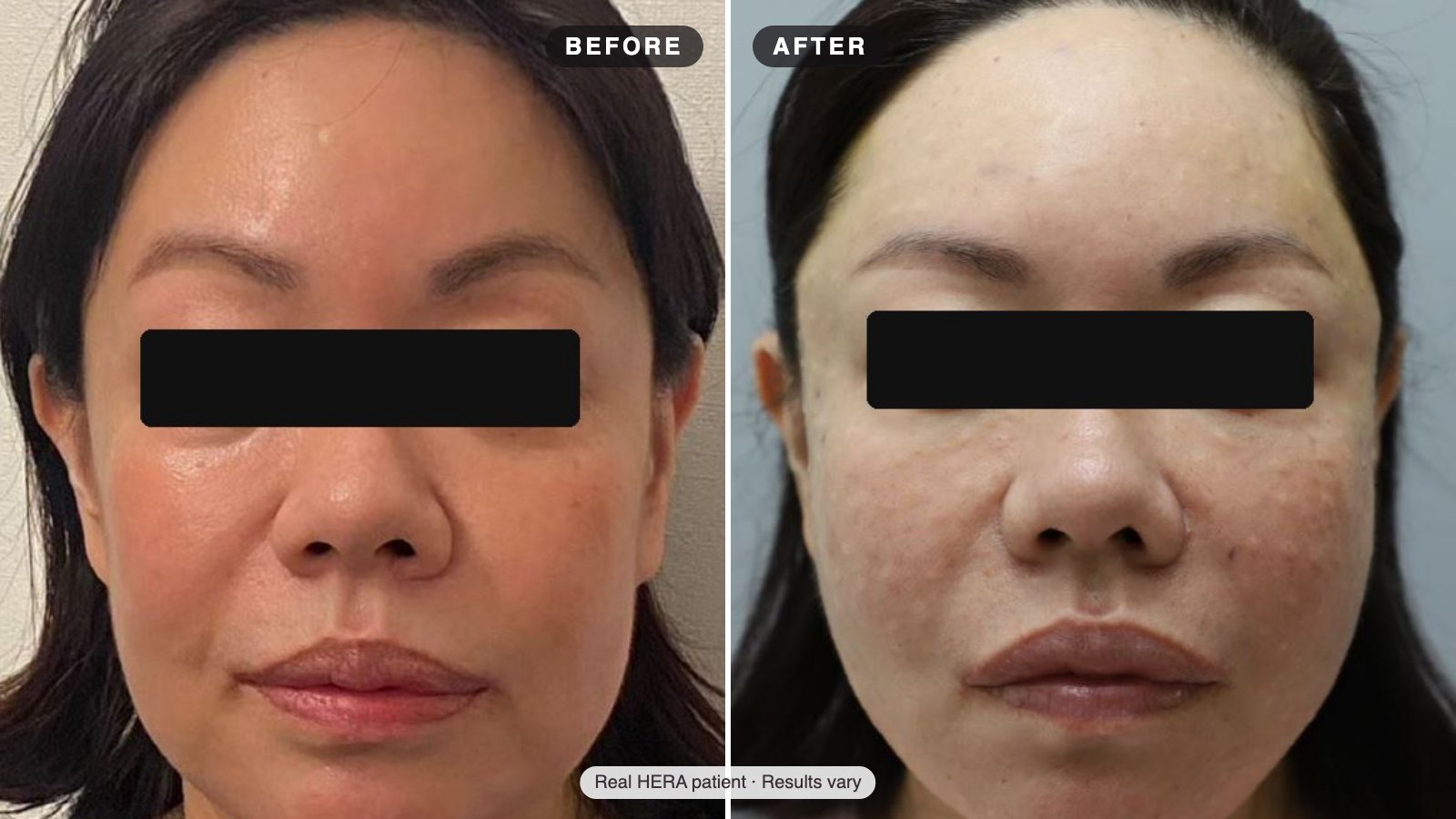
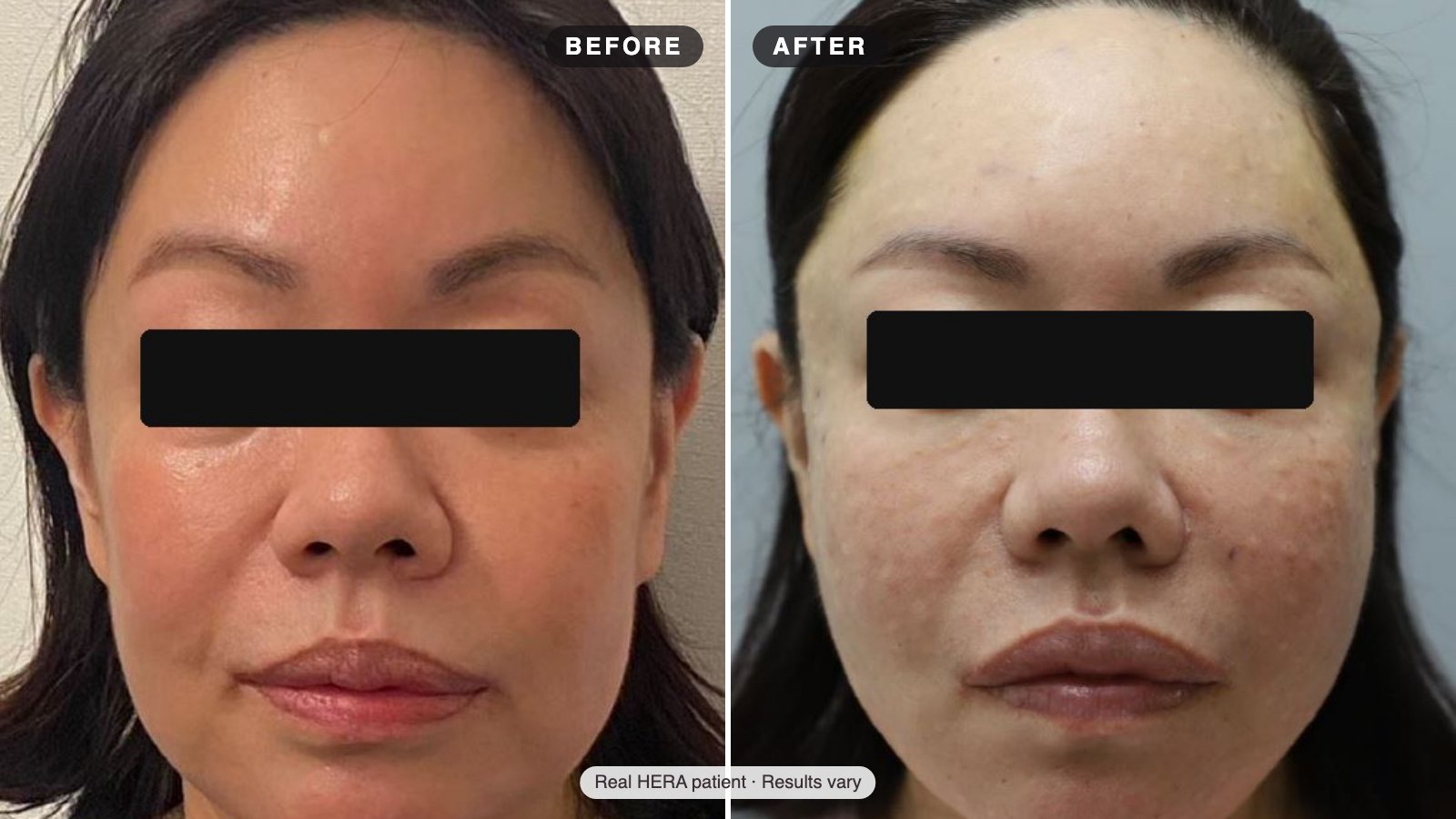
The four problems people photograph most are dimpling, visible or palpable threads, asymmetry and an early loss of lift. Each has a different cause, which matters because it also has a different fix.
- Dimpling or puckering — the skin catches on a barb or cone that sits too shallow, or the tissue is gathered too tightly.
- A visible or palpable thread — the thread was placed close to the surface, often in thin skin, or its end was not buried deeply enough.
- Asymmetry — the two sides were planned with different vectors or tension, or the face was already asymmetric and the plan did not account for it.
- Early drop — the threads were asked to hold more weight than they can, usually because there was too much laxity for threads in the first place.
Infection and inflammation are possible after any thread procedure too. They are less common but need prompt attention, which is why aftercare instructions and an easy way to reach the clinic matter.
Is it normal for a thread lift to look strange in the first days?
Yes — some tightness, mild swelling, small bruises and slight bunching near the entry points are expected in the first one to two weeks. These are part of healing, not a failed result. The face can also feel tight when you smile or chew for a few days.
What is not expected is pain that keeps getting worse, heat and redness spreading around a thread line, a thread end poking through the skin, or a deep dimple still obvious after about two weeks. Those are reasons to contact your doctor rather than wait. If you are travelling, send a clear photo on WhatsApp and we will tell you whether it needs to be seen before your flight.
Why do thread lifts go wrong?
Most problems start with choosing threads for a face that needs something else, or with depth and direction that ignore the anatomy. A thread lift is a design problem before it is an injection. Where the tissue has descended, where it can be anchored and which direction looks natural for that face all have to be decided first.
The wrong candidate
Threads reposition soft tissue; they do not remove excess skin or fat. When laxity is heavy, threads are asked to carry a load they cannot hold, and the lift fades quickly. I would rather tell someone at consultation that a surgical facelift or an energy-based treatment fits better than place threads that disappoint.
Depth and placement
Too shallow, and you get dimpling or a visible line. Too deep, and the thread does little. Thin skin around the jaw and cheeks leaves less margin for error, which is why planning the layer matters as much as the number of threads.
Thread choice and vectors
Different threads hold differently. At HERA we use barbed PDO threads such as MINT, P(LA/CL) threads such as Aptos, and PLLA cone threads such as Silhouette Soft. The thread is chosen for the face and the direction of lift, not the other way round.
How do we plan a thread lift to avoid these problems?
We examine the face first, decide whether threads are the right tool at all, and only then plan the thread type, layer, direction and number. The doctor who examines you is the doctor who performs the treatment, so the plan does not get lost between people.
- Assess laxity, skin thickness and existing asymmetry, from the front and in profile.
- Mark the anchor points and the lift vectors on the face before anything is injected.
- Place threads under local anaesthesia through fine entry points at the planned depth.
- Check symmetry before you leave, and give written aftercare instructions.
We also prefer to do slightly less and adjust than to overcorrect. A lift that looks a little conservative on day one usually looks the most natural at six weeks.
What can be done if a thread lift has already gone wrong?
Many problems can be improved: early puckering can often be released, a visible or poking thread can be removed, and asymmetry can be balanced once swelling has settled. Because the cause decides the fix, we examine the area in person before recommending anything. If you had threads elsewhere, bring the clinic's record of which thread and how many were used if you can — it makes planning safer.
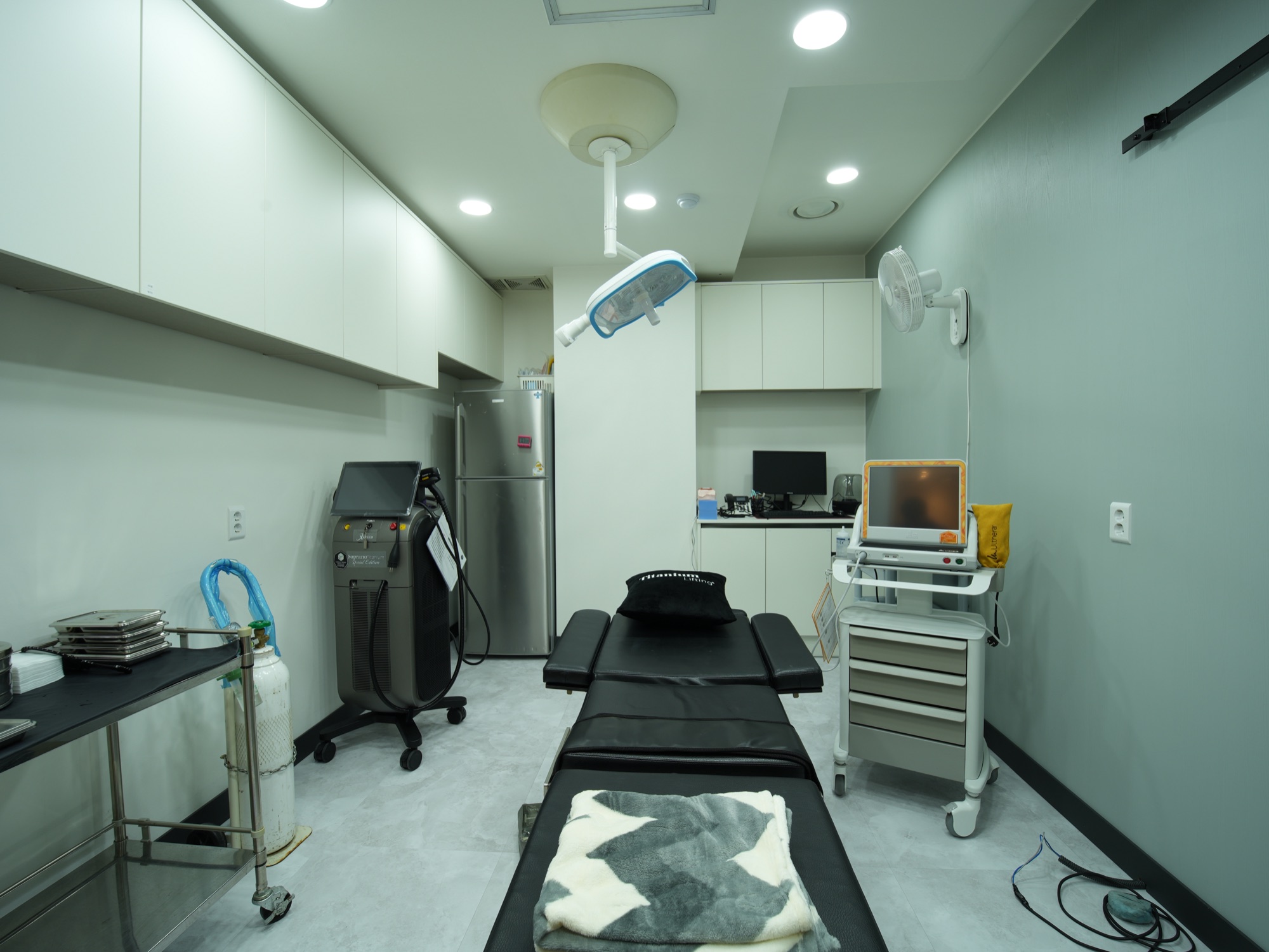
How do you choose a clinic for a thread lift in Korea?
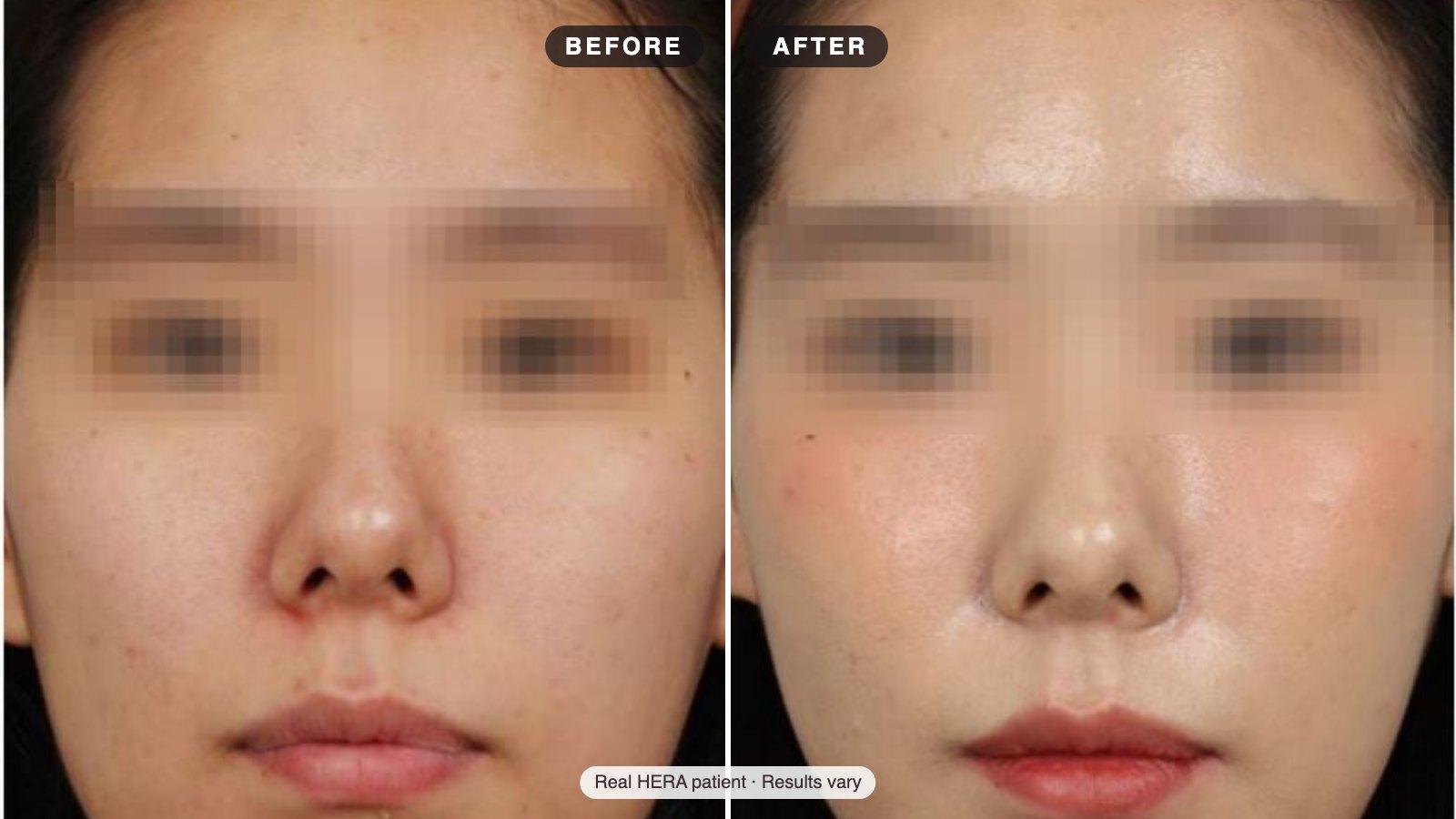
Look for a clinic that tells you when threads are not right for you, shows real results, and explains the specific thread it will use. Our thread lift before and after guide explains what realistic results look like, and you can browse real HERA patient cases. For planning your budget, see how thread lift cost is decided in Korea, and for the lower face specifically, chin thread lift and jawline thread lift results.
Results vary from person to person, and threads are absorbed over time, so the lift is maintained rather than permanent. What we can promise is an honest assessment before you commit, and an itemised written estimate that matches the plan we agree.
Book a consultation
Worried about how threads would look on your face? Send a front photo and a side profile in daylight on WhatsApp. An English interpreter joins every visit, you receive an itemised written estimate before anything begins, and international patients pay exactly the same as local patients.
FAQ
Frequently asked questions
Q1What does a thread lift gone wrong look like?
The most common signs are a dimple or pucker that does not settle, a thread you can see or feel under the skin, one side lifted more than the other, or a lift that has almost disappeared within a few weeks. Most of these trace back to thread placement, depth or patient selection.Q2Is dimpling after a thread lift normal?
Mild dimpling or bunching near the entry points or along the thread line is common in the first one to two weeks and usually softens as swelling settles. Dimpling that is deep, painful, or still obvious after about two weeks should be checked by the treating doctor.Q3Can a bad thread lift be fixed?
Often, yes. Early puckering can usually be released or massaged, a thread that is visible or poking can be removed through a small opening, and asymmetry can be balanced once swelling has gone. The right fix depends on the cause, so an in-person examination comes first.Q4How long does swelling last after a thread lift?
Mild swelling, tightness and small bruises around the entry points usually ease within a few days, and most people look presentable within about a week. Judge the result after swelling settles, not on day two.Q5Who should not get a thread lift?
Thread lifts are a poor match for heavy skin laxity, a large amount of excess skin, or expectations of a surgical facelift result. In those cases another treatment, or surgery, will serve you better, and we will tell you so at consultation.
真實經驗
患者怎麼說
由海外患者上傳的影片。


YouTube 上
出發前,先聽聽醫師怎麼說
我們的醫師在鏡頭前講解HERA的主力療程:拉提、玻尿酸與皮膚增強針,讓您在抵達首爾前,就知道會見到誰、他們怎麼思考。
韓語發音 · YouTube 提供自動翻譯字幕
- 6:24玻尿酸

 Dr. Jong · Dr. Jong
- 7:36診所與醫師Dr. Jong · Dr. Jong
- 8:07拉提Dr. Jong
- 5:44拉提Dr. Jong · Dr. Jong
Shorts
一個問題,不到一分鐘
HERA TV
The doctors explain it on camera — then in writing
Each piece is written by the doctor from their own YouTube video: the patient question, why it happens and how we approach it.
 4:21ultherapy seoul
Thread Lift With Ultherapy or Titanium: A Combination Lift in Seoul
Dr. Jong Hoon Lee7 min read 5:56non surgical eye lift korea
Non-Surgical Eye Lift in Korea: Thermage, Ultherapy and Needle RF for Crepey Eyes
Dr. Jong Seon Kim7 min read 6:06eye ultherapy
Eye Ultherapy From the Patient's Chair: Dr. Jong Hoon Lee's Own Session
Dr. Jong Hoon Lee7 min read
HERA Journal
Keep reading
 Lifting
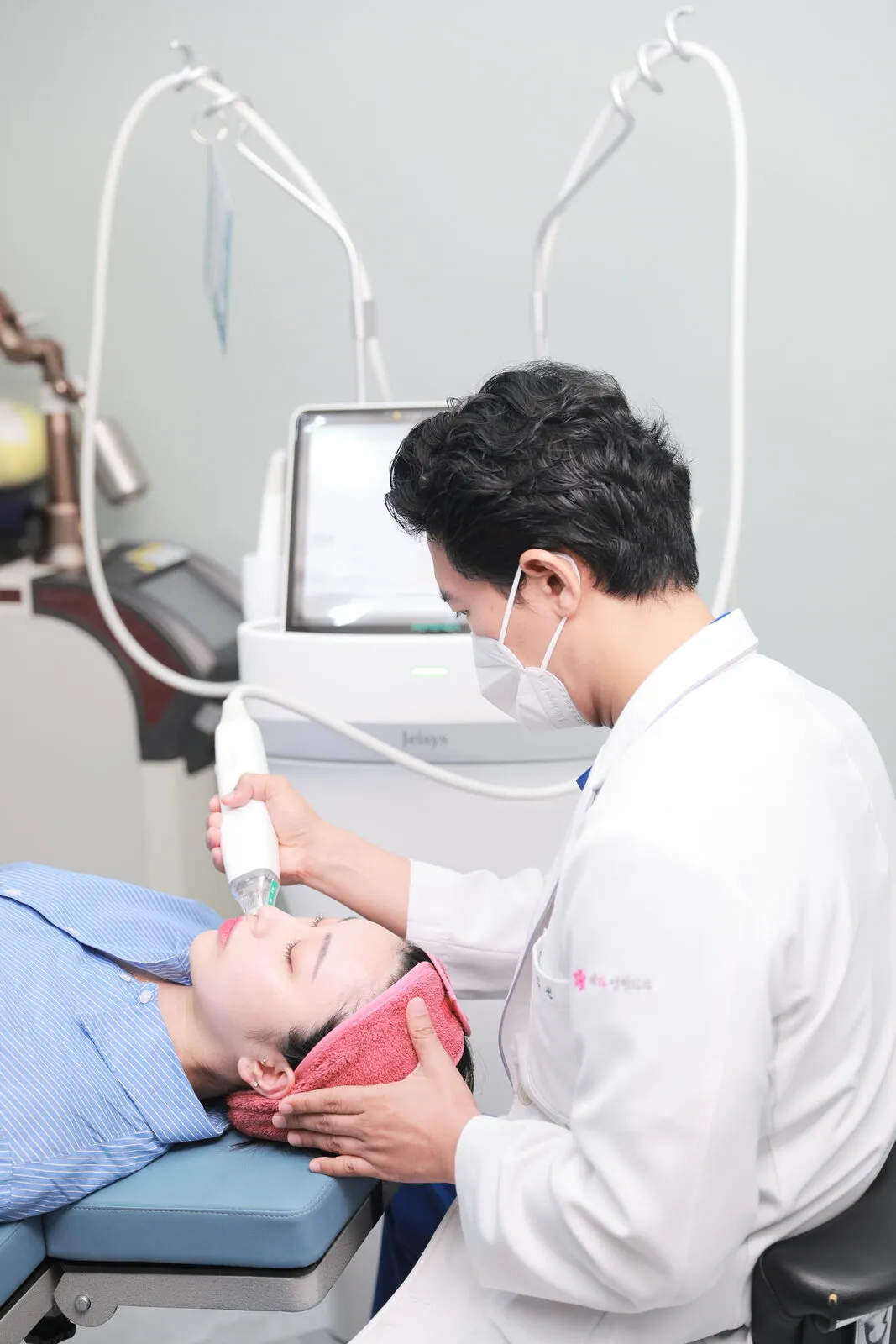
Thermage vs Ultherapy vs Density in Korea: Pick by Depth
Thermage and Density tighten the skin itself with radiofrequency; Ultherapy lifts deeper with focused ultrasound. Which one fits comes down to whether your skin is loose or your tissue has dropped.
9 minRead → Lifting
Best Clinic for Ultherapy in Korea: What Actually Matters
The best clinic for Ultherapy in Korea is the one that uses genuine Ultherapy Prime, plans depth and lines for your face, has a doctor in charge and tells you when ultrasound lifting will not help. Dr. Jong Hoon Lee explains how to judge it.
7 minRead → Lifting
Where to Get Thermage in Korea: 6 Checks Before You Book
Choosing where to get Thermage in Korea comes down to a genuine FLX tip, an honest shot count, who holds the handpiece and a published price. Dr. Jin Yi Han walks through six checks to make before you book.
7 minRead →